
Manufacturing is often associated with machinery, production lines, raw materials, and finished products. But behind many of these processes is something much simpler, and much more important:
Measurement.
Before a product can be manufactured, materials must be received, weighed, measured, portioned, or formulated. During production, quantities need to be controlled. In the warehouse, goods may need to be weighed before storage or dispatch. And when bulk materials move in and out of a facility by truck, a weighbridge can become a critical part of the process.
In other words, weighing is not an isolated activity in manufacturing. It can be part of the entire production and supply chain.
For manufacturers, the right industrial weighing solution can help bring greater control to material handling, production, warehousing and dispatch.
From weighbridges for bulk materials and finished goods to platform scales, floor scales, strip scales, hanging scales, crane scales and weighing software, manufacturers have different weighing requirements depending on what they produce, how materials move through their facilities and how much automation they need.
At Scalestech, we provide weighing and technology solutions designed around these different industrial applications.
Let's look at where weighing fits into manufacturing, and the solutions available for each stage.
What Is Industrial Weighing in Manufacturing?
Industrial weighing is the measurement of materials, products, components, or loads using weighing equipment designed for industrial and manufacturing applications.
Unlike a simple weighing activity, industrial weighing can form part of larger processes such as:
Receiving raw materials
Weighing bulk materials
Production and batching
Formulation and recipe management
Component counting
Material handling
Warehouse operations
Quality control
Packaging
Finished-goods management
Truck weighing
Dispatch
The equipment required depends on the application.
A manufacturer receiving raw materials in bulk may need a weighbridge, while a production floor may require platform or floor scales. A facility handling suspended loads may require a crane or hanging scale, while a warehouse handling smaller components may benefit from counting scales.
The goal isn't simply to find "a weighing scale."
The goal is to find the right weighing solution for the job.
Why Is Weighing Important in Manufacturing?
Manufacturing involves materials moving through multiple stages. At each stage, knowing how much material is coming in, being used, stored, or going out can be important for operational control.
Consider a simple manufacturing cycle.
A truck arrives carrying raw materials.
The material is weighed.
The raw material enters the production process.
The required quantity is weighed or measured.
The product is manufactured.
Components, ingredients or batches may need to be controlled.
The finished product moves into storage.
Goods may be weighed during warehouse or dispatch operations.
Finally, the finished goods leave the facility.
The outgoing load may be weighed again.
That makes weighing relevant from the first material movement to the final dispatch.
Industrial Weighing Solutions Across the Manufacturing Process
Different stages of manufacturing require different approaches to weighing.
Here's how the solutions can fit together.
1. Weighbridges for Bulk Raw Materials and Finished Goods
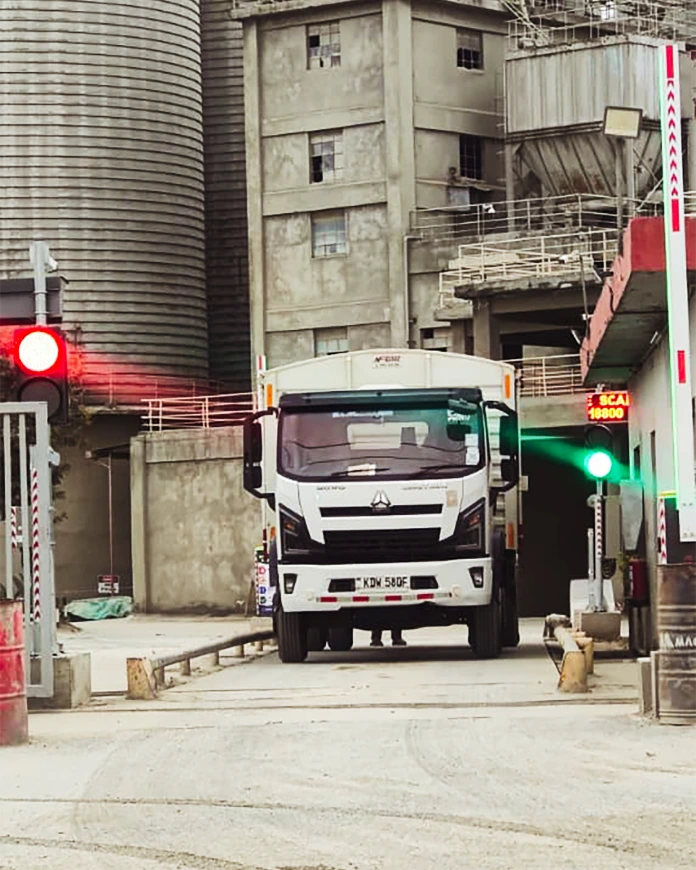
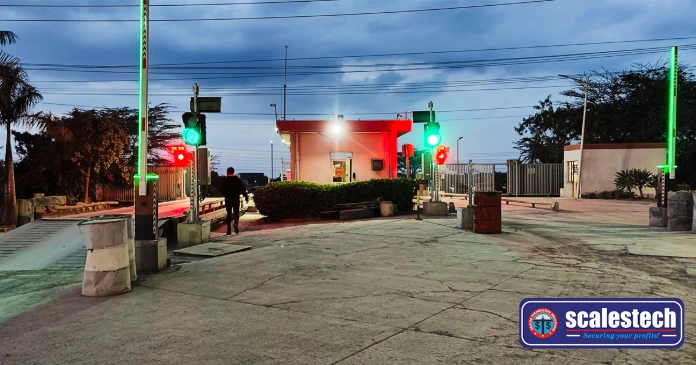
For manufacturers dealing with materials transported by truck, weighing often begins before the material even enters the production facility.
A weighbridge allows businesses to weigh vehicles carrying bulk materials and finished goods.
This can be particularly relevant for manufacturers receiving or dispatching significant quantities of materials by road.
A typical weighing process involves determining the vehicle's:
Gross weight
Tare weight
Net weight
The resulting weight information can then form part of the business's weighing and transaction records, depending on the system in use.
Why does a manufacturing facility need a weighbridge?
If your business receives or dispatches bulk materials by truck, manually estimating quantities isn't enough.
A weighbridge provides a dedicated system for weighing the vehicle and its load.
This can support processes such as:
Raw material receiving → weighing → production → finished goods → dispatch
And the conversation doesn't have to stop at installing the weighbridge.
Weighbridge installation, relocation and upgrades
Manufacturing facilities change.
A factory may expand, reorganize its traffic flow or move its weighing point. In such cases, the requirement may not be for an entirely new weighbridge.
Manufacturers may need weighbridge relocation services, installation support or upgrades to an existing system.
Scalestech provides weighbridge services including:
Installation
Relocation
Digitization
Automation
Maintenance
Repair
Calibration
This means manufacturers can look beyond purchasing equipment and consider the entire lifecycle of their weighbridge system.
2. Digitizing and Automating Weighbridges
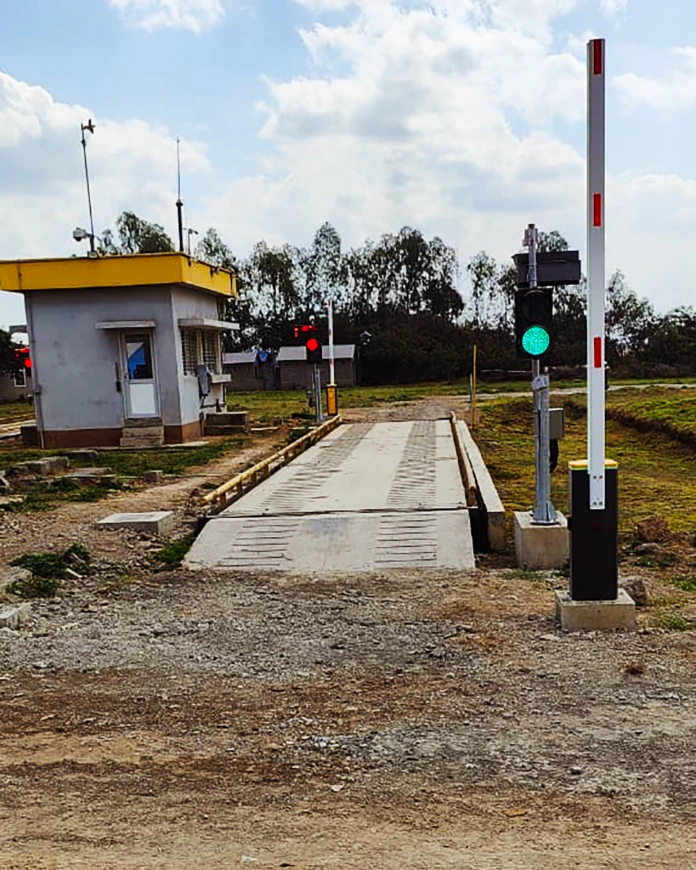
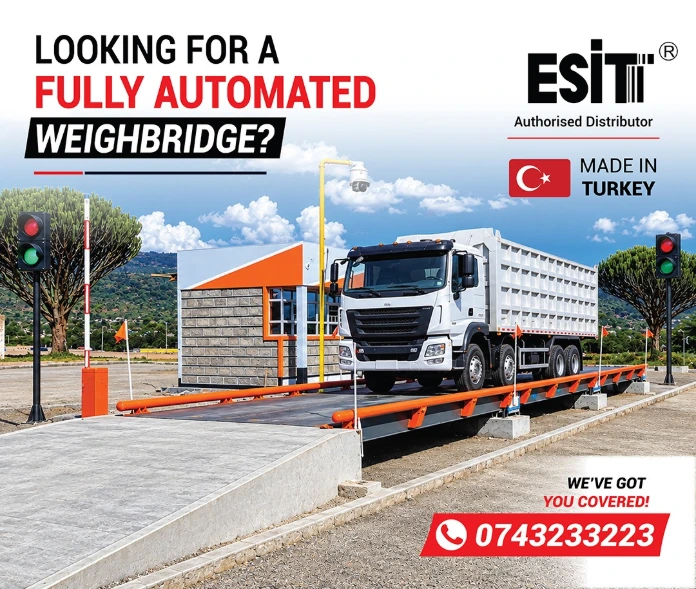
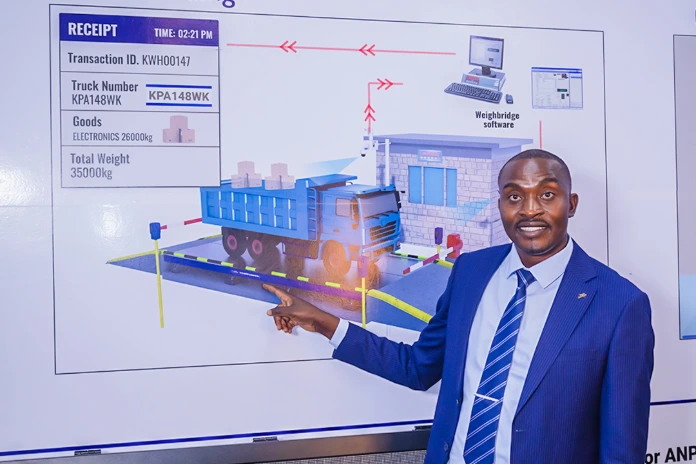
A weighbridge doesn't have to operate as a standalone piece of equipment.
For manufacturers looking to improve how weighing information is captured and managed, digitization and automation can take the process further.
Depending on the system and requirements, weighbridge automation can involve technologies such as:
Vehicle identification
Traffic control
Driver self-service
Transaction management
Data capture
Software integration
Automated weighing processes
The purpose is to move weighing away from purely manual processes and toward a more connected operation.
For a busy manufacturing facility, this can be especially useful where large volumes of vehicles and transactions need to be managed.
The question therefore changes from “Do we need a weighbridge?” to “How should our weighbridge work within our wider operation?”
3. Platform Scales for Production and Industrial Weighing
Not everything in a manufacturing plant arrives by truck.
Once materials enter the facility, they may need to be weighed at different points throughout production.
This is where industrial platform scales can come in.
Platform scales provide a weighing surface for materials, containers, products, and other loads, with configurations suitable for different industrial applications.
They can be used for activities such as:
Production weighing
Material handling
Packaging
Warehouse operations
Stock verification
General industrial weighing
For manufacturers, the right platform scale should be selected based on the load, environment, weighing process and intended application, rather than simply choosing the largest capacity available.
4. Floor Scales for Heavy Loads and Warehouse Operations
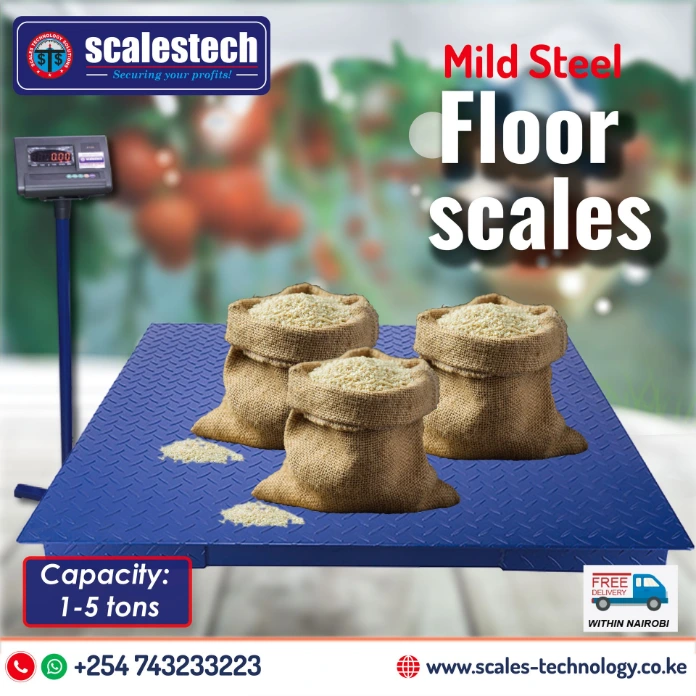
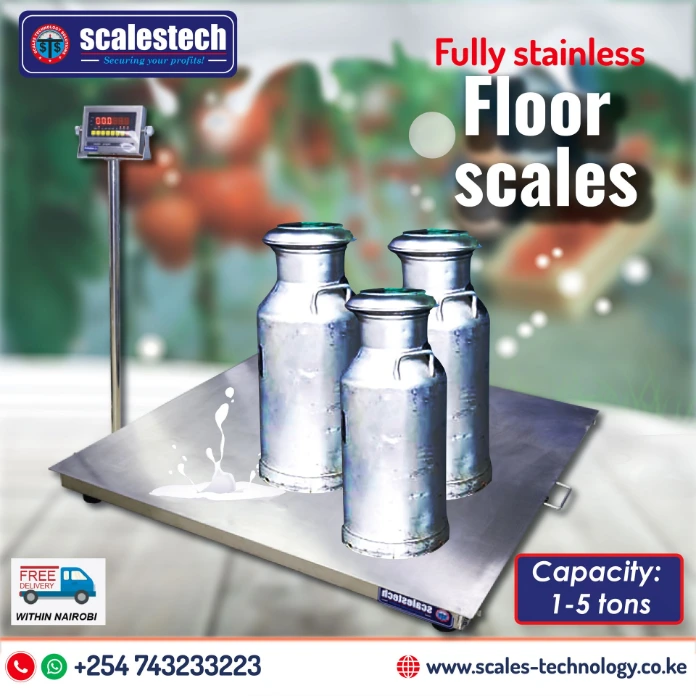
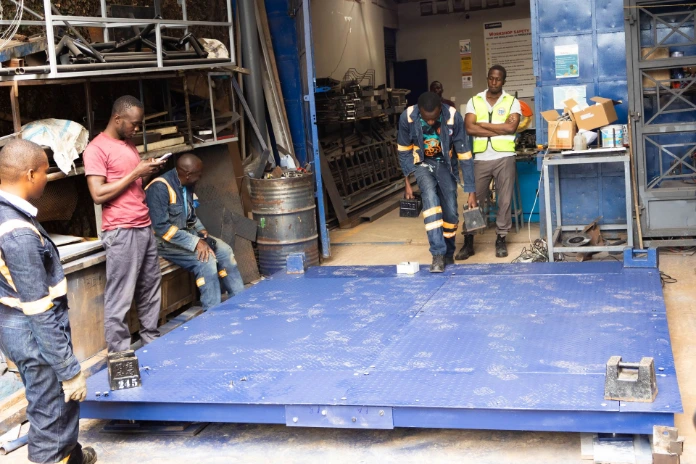
Manufacturing and warehousing often involve heavy materials, pallets, containers and other large loads.
A floor scale provides a weighing solution where goods can be placed directly onto a weighing platform.
This can make floor scales useful in areas where materials are being received, moved, stored, or prepared for dispatch.
For example, a warehouse may need to weigh:
Pallet → weighing → stock/dispatch process
Instead of manually estimating the weight of goods, the weighing process becomes part of the warehouse workflow.
5. Strip Scales and Weigh Bars for Industrial Applications
Not every weighing application fits neatly onto a conventional platform.
Strip scales and weigh bars provide another option for industrial weighing applications.
Their configuration can make them useful where businesses need to incorporate weighing into particular material-handling or industrial setups.
This is another reason why manufacturers should start with the application, rather than simply searching for a generic weighing scale.
The important question is:
What exactly are you trying to weigh, and how does that material move through your facility?
The answer helps determine the appropriate weighing configuration.
6. Hanging Scales for Suspended Loads
Sometimes, the material you're weighing isn't sitting on the floor.
It may be suspended, lifted, or moved using handling equipment.
That's where hanging scales can become useful.
Instead of transferring a load onto a conventional weighing platform, suspended weighing allows the load to be weighed as part of the handling process, where the application permits.
This can be relevant to manufacturers working with materials that are lifted during production or material handling.
7. Heavy-Duty Crane Scales for Lifting and Weighing
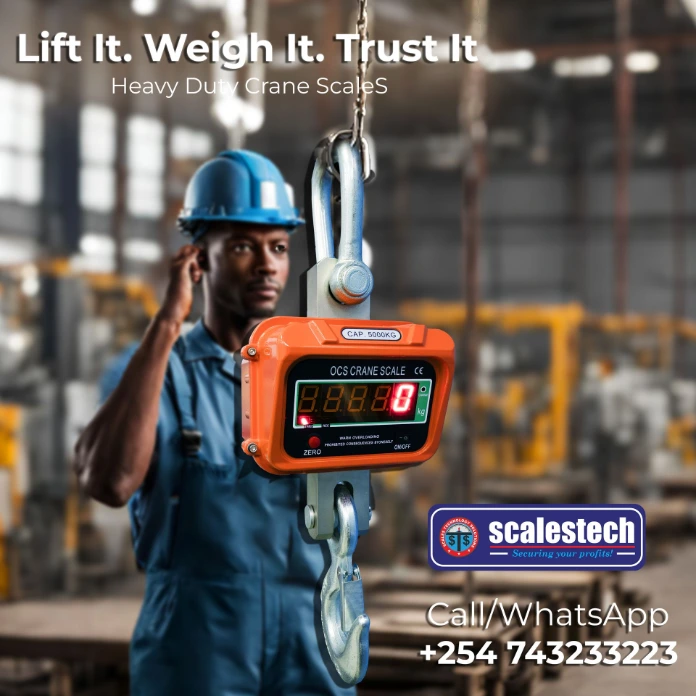
For heavier suspended loads, manufacturers can also use crane weighing systems.
A crane scale combines lifting and weighing into the same material-handling process.
For example:
Lift → weigh → move
This can help avoid unnecessary movement of heavy materials simply to place them on another weighing platform.
Scalestech offers heavy-duty crane weighing solutions, including crane scales designed for high-capacity industrial applications.
The appropriate capacity and configuration, however, should always be determined according to the actual application and load requirements.
8. Counting Scales for Components and Small Parts
Manufacturing isn't always about tonnes of raw materials.
Factories also deal with individual components and parts.
Think about the number of small components that may need to be received, stored, picked or packaged.
Counting each piece manually can become tedious and prone to human error.
Counting scales provide a way to use weight as part of the counting process, making them useful for applications involving multiple identical components.
They can be particularly relevant in environments where businesses need to manage quantities of manufactured or assembled components.
9. Formulation, Batching and Recipe Management
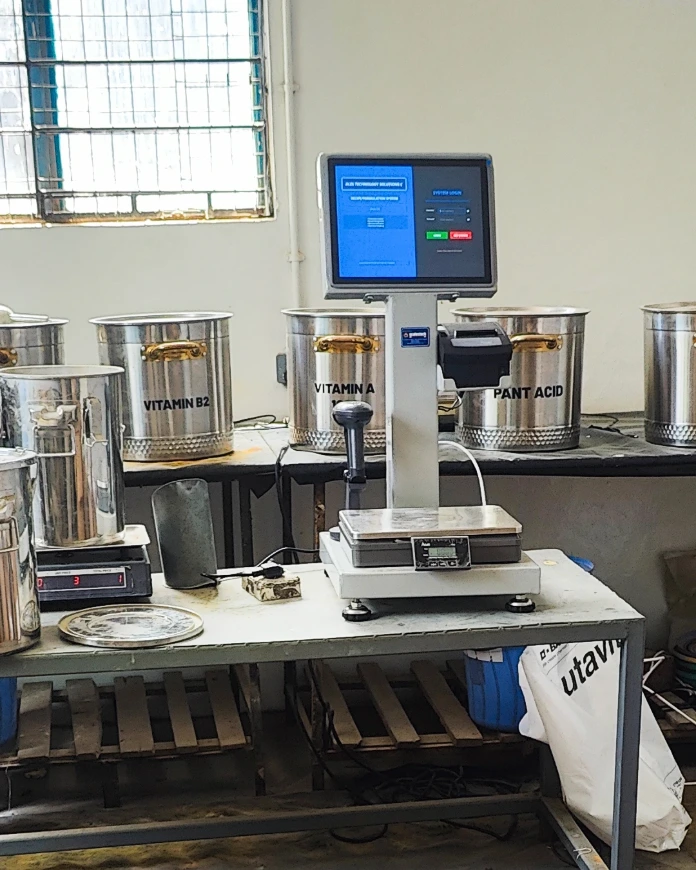
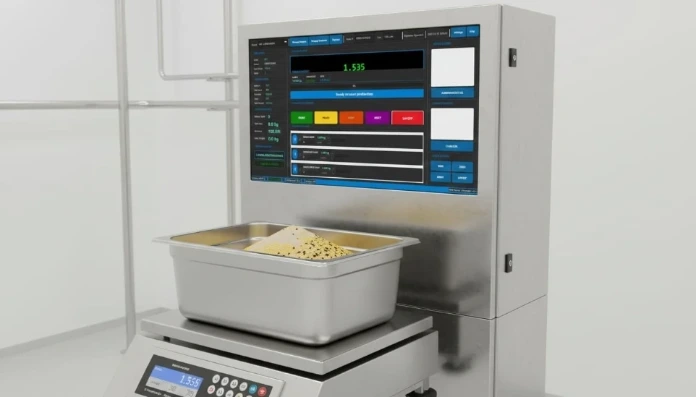
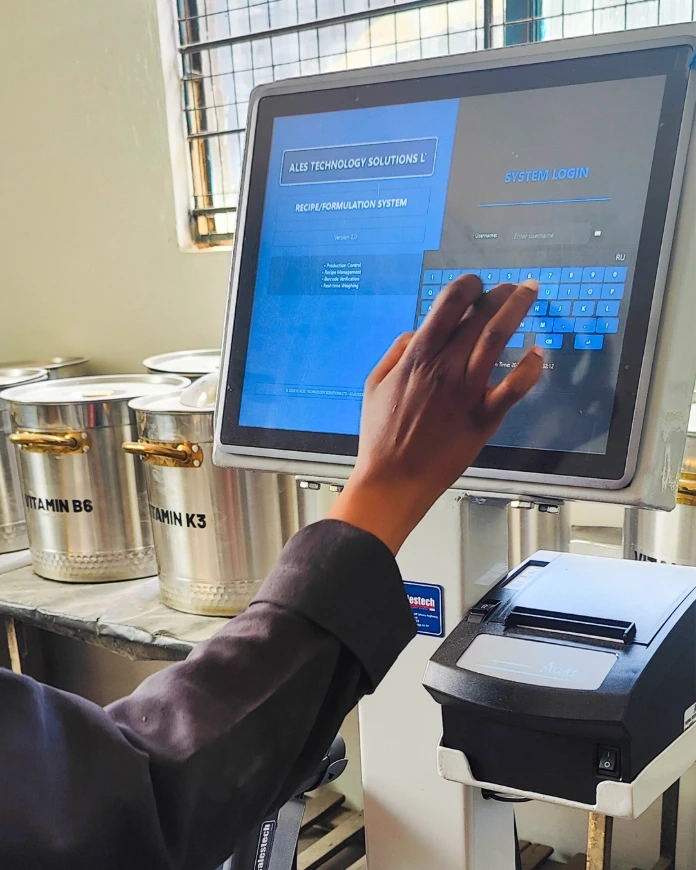
For manufacturers that work with multiple ingredients or materials, weighing becomes even more closely connected to production.
A formulation or recipe can require specific quantities of different materials.
This makes formulation and recipe management an important area of industrial weighing.
Instead of viewing the weighing scale as a standalone machine, it becomes part of a broader production process:
Recipe → required quantities → weighing → formulation → production
Software-supported weighing solutions can help manufacturers bring more structure to processes that depend on accurate quantities and repeatable formulations.
This is particularly relevant to manufacturers where the final product depends on combining different materials according to defined recipes or formulations.
10. Warehouse Weighing Solutions
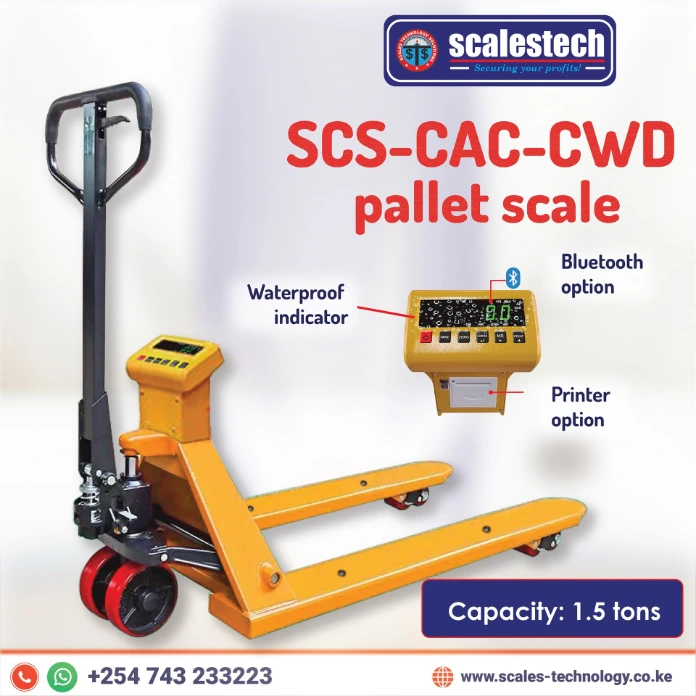
Manufacturing doesn't end when a product comes off the production line.
Finished goods still need to be stored, managed, and eventually dispatched.
That makes the warehouse another important part of the weighing ecosystem.
Depending on the operation, warehouse weighing can involve:
Platform scales
Floor scales
Pallet weighing
Counting scales
Mobile weighing solutions
Weight-based stock processes
The bigger opportunity is connecting the weighing activity with the information the warehouse needs.
Because knowing that something weighs 250 kg is useful.
Knowing what was weighed, when it was weighed, where it belongs and what happened to that transaction can be even more useful.
11. Industrial Weighing Software and Warehouse Management
This is where industrial weighing moves beyond hardware.
A modern manufacturing operation can generate significant amounts of weight and transaction data.
Software can help businesses manage and organize this information depending on the system and application.
This can include areas such as:
Weighing transactions
Reports
Weight records
Formulation and recipe management
Weighbridge management
Data capture
Integration with other business systems
For manufacturers, this creates an important shift:
From weighing data to usable business information.
Instead of having measurements sitting on displays, handwritten records or disconnected systems, businesses can look at how weighing information fits into their wider operational workflow.
How Do You Choose the Right Industrial Weighing Solution?
There isn't one weighing scale that is right for every manufacturing business.
The right solution depends on several factors.
What are you weighing?
Raw materials, finished products, components, pallets and suspended loads require different approaches.
How heavy is the load?
The required capacity is an important consideration when selecting weighing equipment.
How does the material move?
Is it:
Delivered by truck?
Moved by forklift?
Lifted by crane?
Placed manually?
Suspended?
Stored on pallets?
The movement of the material can influence the most practical weighing solution.
Where does weighing happen?
Is the weighing point:
At the factory entrance?
In the production area?
In the warehouse?
At the dispatch point?
Do you need software or automation?
If weighing is generating important operational data, manufacturers should also consider how that information will be captured, stored and used.
Why Manufacturers Should Think Beyond the Scale
The biggest mistake a business can make is treating industrial weighing as simply buying a machine that displays weight.
Manufacturing is a connected process.
Raw materials become production inputs.
Production inputs become finished goods.
Finished goods enter warehouses.
Warehouse stock eventually becomes dispatched goods.
And weighing can touch every one of those stages.
That means the most effective solution isn't necessarily the scale with the longest list of features.
It is the solution that fits into the way your business actually operates.
Industrial Weighing Solutions from Scalestech
At Scalestech, we understand that manufacturers don't all have the same weighing requirements.
A business receiving bulk raw materials may need a weighbridge.
A production facility may require platform or floor scales.
A manufacturer handling suspended loads may need hanging or crane scales.
A warehouse may require pallet, platform or counting scales.
A production process based on formulations may require recipe and weighing software.
And an existing weighbridge may need relocation, digitization, automation, repair, maintenance or calibration rather than replacement.
That is why industrial weighing should be approached as a solution, not simply as a product.
From weighing equipment to weighbridge services and weighing-related software, Scalestech can help manufacturers identify solutions based on their specific operations.
Building a More Connected Manufacturing Operation
Manufacturing is becoming increasingly data-driven.
The future isn't simply about having machines that perform physical tasks.
It's also about knowing what is happening within the operation.
How much raw material came in?
How much was used?
How much was produced?
How much is in the warehouse?
How much is leaving the facility?
Can the information be tracked and managed?
Weighing provides one of the measurements behind those questions.
When weighing equipment, software and automation work together appropriately, manufacturers can move from isolated measurements toward more connected operational processes.
Frequently Asked Questions About Industrial Weighing in Manufacturing
What is the importance of weighing in manufacturing?
Weighing can support multiple stages of manufacturing, including raw-material receiving, production, formulation, material handling, warehousing, and finished-goods dispatch.
What weighing equipment is used in manufacturing?
Manufacturers can use different equipment depending on their application, including weighbridges, platform scales, floor scales, strip scales, weigh bars, hanging scales, crane scales and counting scales.
What is a weighbridge used for in manufacturing?
A weighbridge is used to weigh vehicles and their loads. For manufacturers, it can be used when receiving bulk raw materials or dispatching finished goods by truck.
Can an existing weighbridge be relocated?
Yes. Weighbridge relocation can be an option when a manufacturing facility changes its layout or needs to move its weighing point. The suitability of relocation depends on the existing system and site requirements.
Can a weighbridge be automated?
Yes, weighbridge automation can incorporate technologies and systems that reduce manual intervention and improve the management of weighing transactions, depending on the required setup.
What scale is suitable for a manufacturing warehouse?
The appropriate scale depends on what is being weighed, load size, material-handling method, and the warehouse workflow. Options can include platform scales, floor scales, pallet weighing solutions and counting scales.
Why do manufacturers need crane scales?
Crane scales can be useful when materials are lifted and weighed as suspended loads, allowing weighing to be incorporated into certain lifting and material-handling processes.
Why is weighing software important in manufacturing?
Weighing software can help businesses manage weight-related information, transactions, reports, formulations and other processes depending on the system being used.
Conclusion: Manufacturing Starts With Measurement
Every manufacturing operation is different.
But whether a factory is receiving tonnes of raw materials, weighing components during production, moving heavy loads, managing warehouse stock or dispatching finished products, measurement remains part of the process.
The right industrial weighing solution can therefore do more than tell you how heavy something is.
It can become part of the way your business receives, produces, stores, manages and moves materials.
From weighbridges and heavy-duty crane scales to floor scales, platform scales, strip scales, hanging scales, counting scales and weighing software, the right solution begins with understanding the manufacturer's actual workflow.
Looking for industrial weighing solutions for your manufacturing operation in Kenya?
Talk to Scalestech about your weighing requirements and explore a solution built around your operation, not just a scale picked off a shelf.