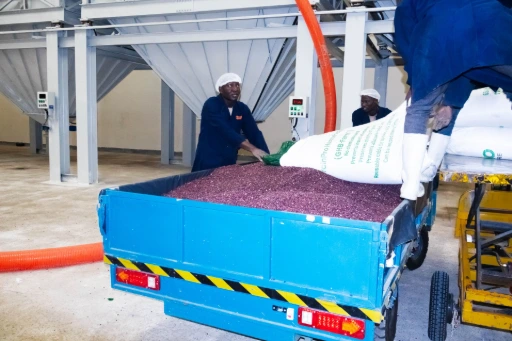
Food4Education Automated Silo Dispensing System, Nairobi
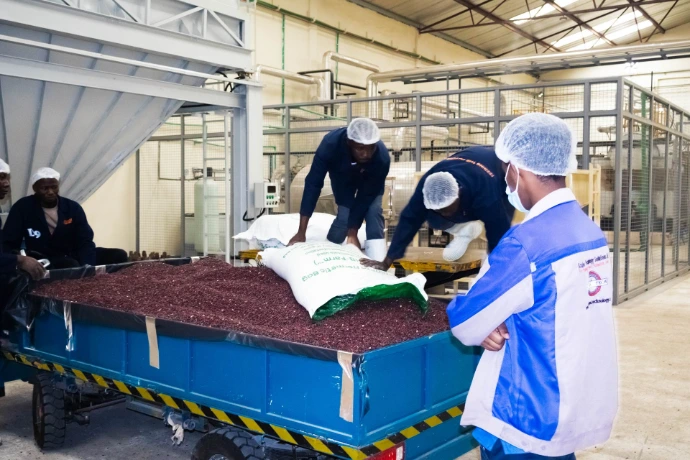
Bulk food and grain storage is one of the most overlooked risk points in East Africa's supply chains. A silo that cannot report its contents accurately is a silo that invites waste, pilferage, and guesswork — problems that are expensive in a commercial bakery and dangerous in a school feeding program where every kilogram of maize meal or beans has to reach a child's plate. Scalestech designs, supplies, and installs silo weighing systems and tank weighing systems across Kenya, with active deployments in Nairobi and growing demand from Mombasa, Kisumu, Nakuru, Eldoret, and Thika, as well as cross-border interest from Uganda, Tanzania, Rwanda, Zambia, and Sudan.
Below, we walk through exactly how the system was designed, installed, and configured, what it cost Food4Education in labor and waste before automation, what changed afterward, and how the same architecture applies to silos and tanks of almost any size, anywhere in East Africa.
The Problem Before Automation
Three operational pain points drove the project:
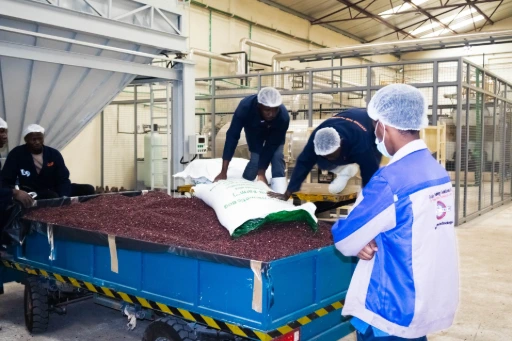
- No real-time inventory visibility. Kitchen and logistics staff could not answer "how much maize do we have left in Silo 2 right now?" without a physical check, which slowed planning and reordering decisions.
- Manual, inconsistent portioning. Releasing a specific quantity (for example, a 30 kg batch) required manual measurement, which introduced variability between staff members and shifts.
- No audit trail. Without digital weight logging, it was difficult to reconcile how much stock had been dispatched against how much had been received, making shrinkage or loss hard to detect quickly.
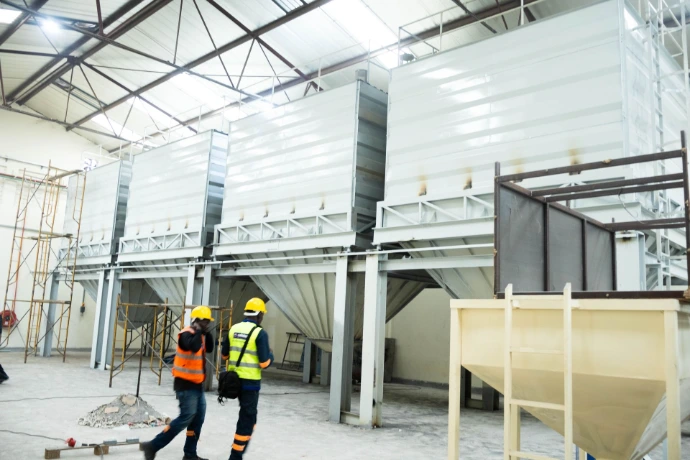
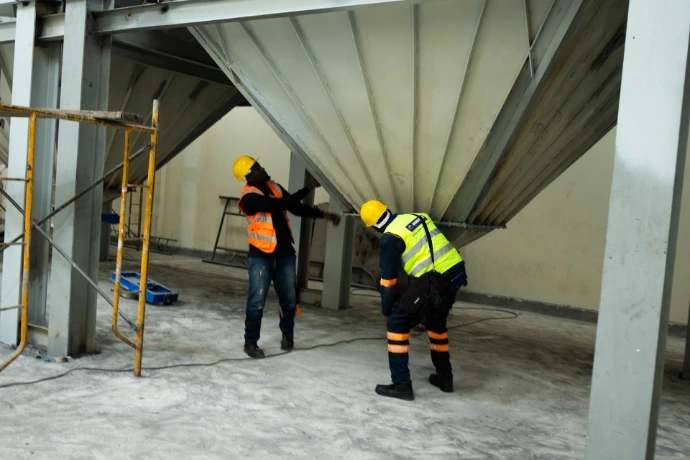
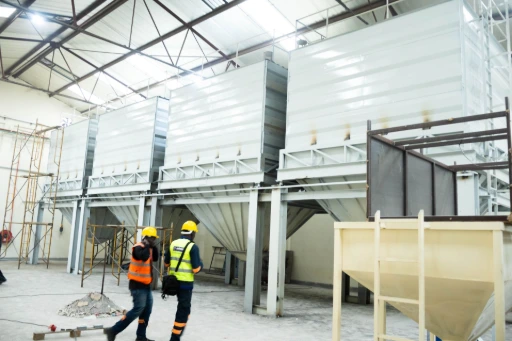
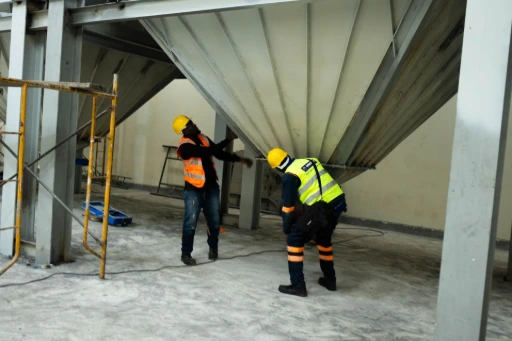
Installation Process
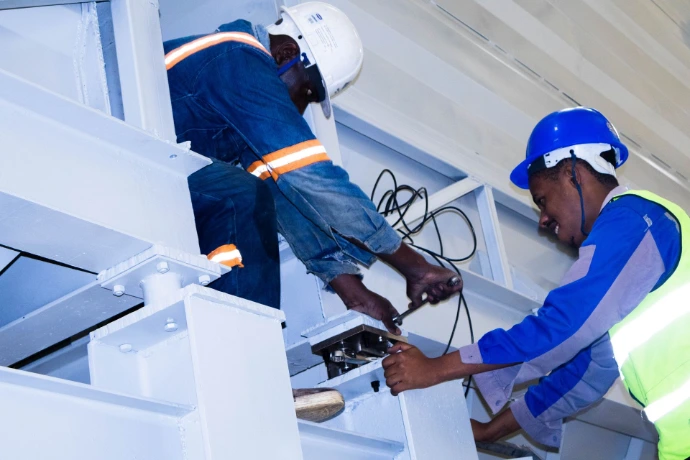
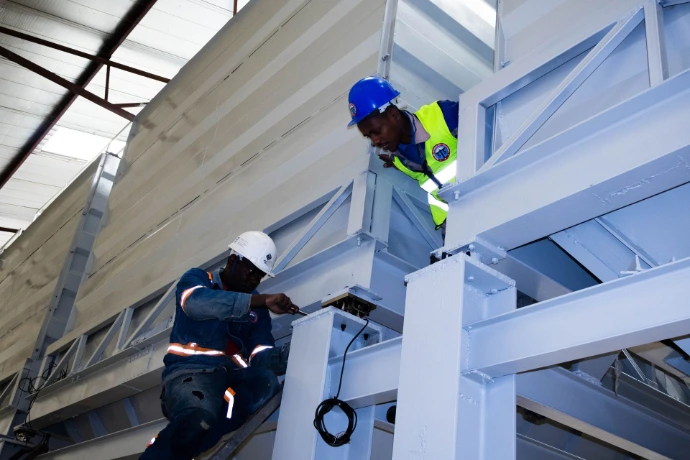
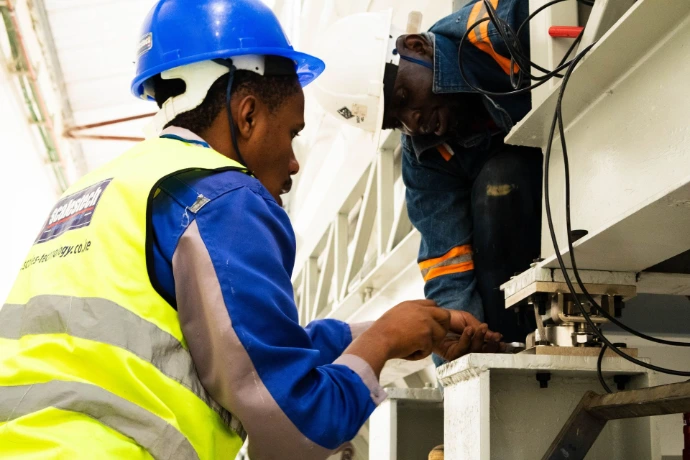
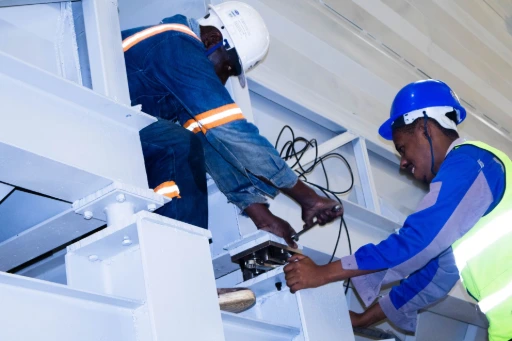
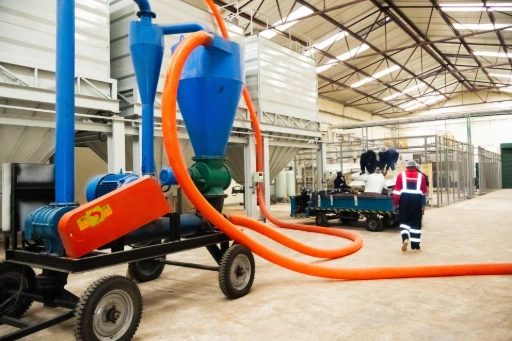
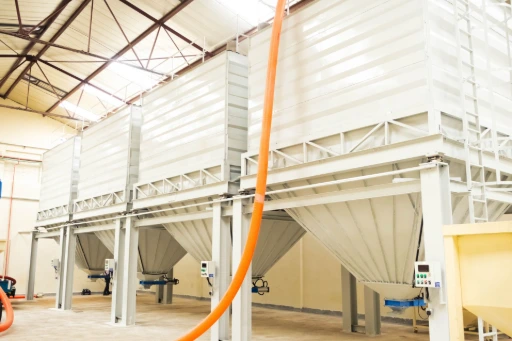
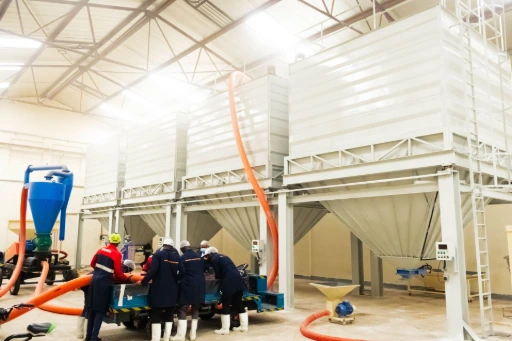
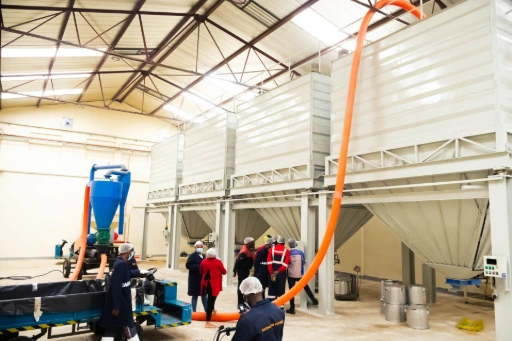
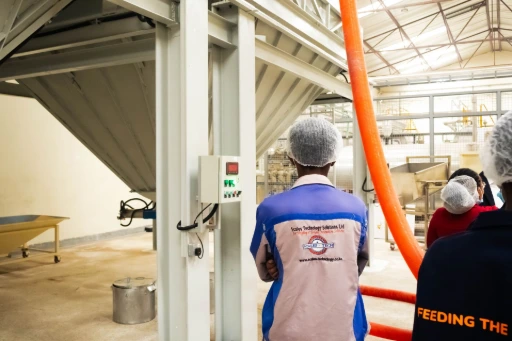
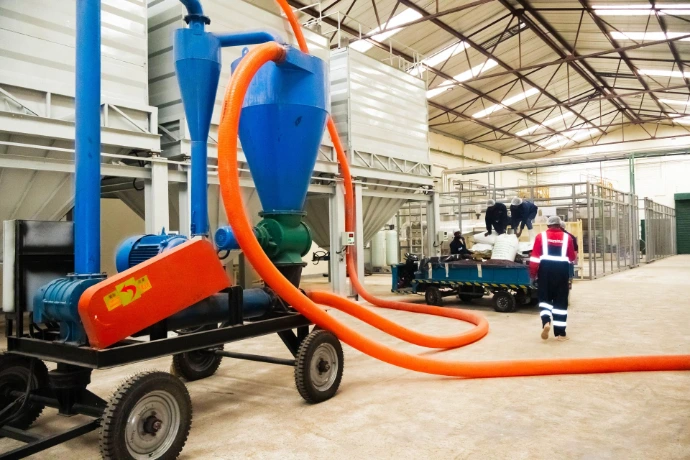
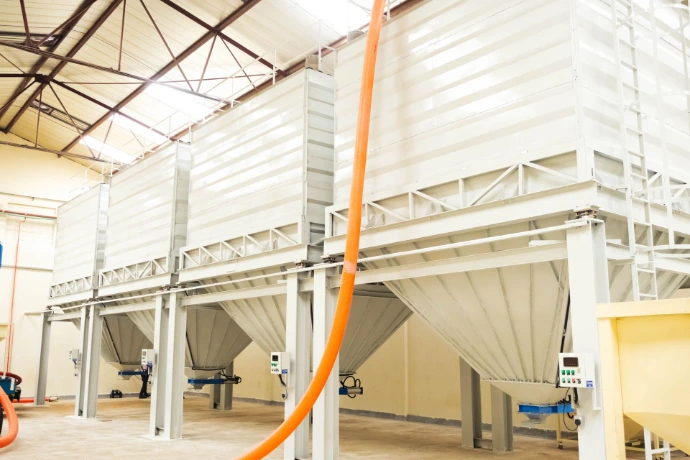
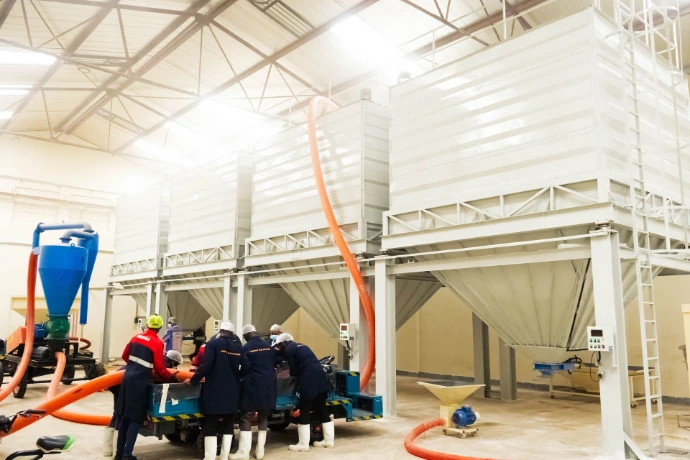
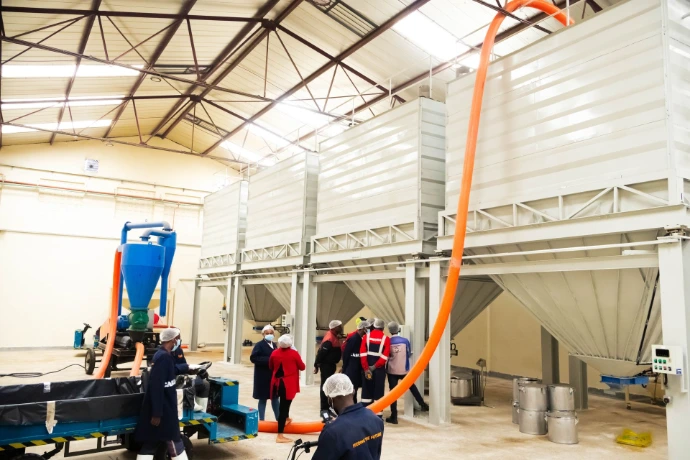
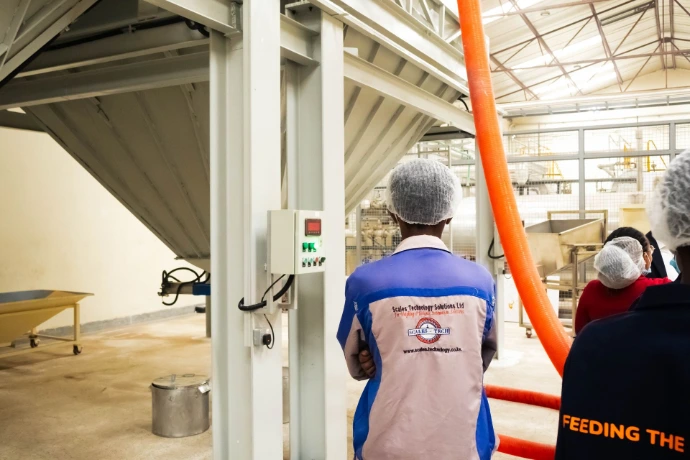
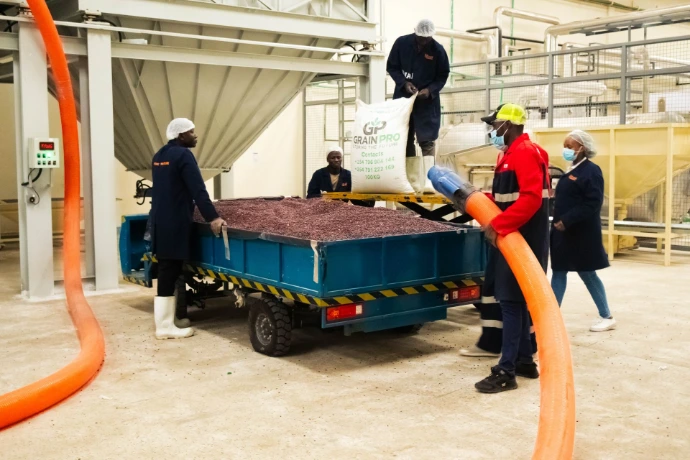
Step 1 — Load Cell Integration. Heavy-duty industrial load cells were installed beneath the structural base of each storage silo. These sensors measure the total downward force exerted by the silo and its contents, providing continuous, high-accuracy weight data as the primary input for every other part of the system.
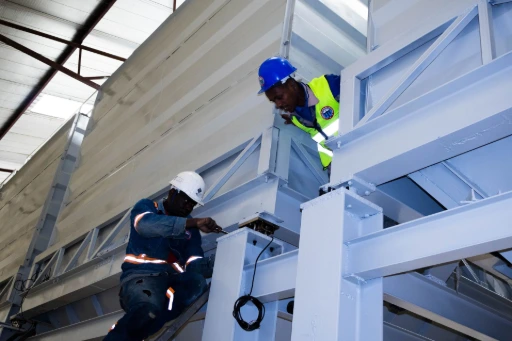
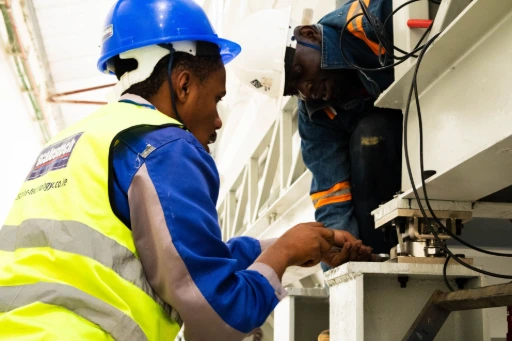
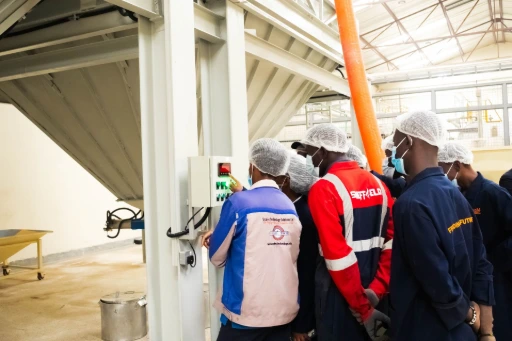
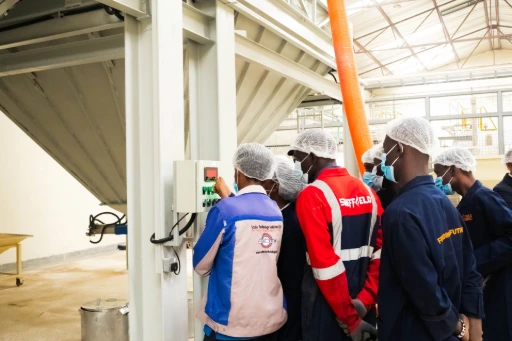
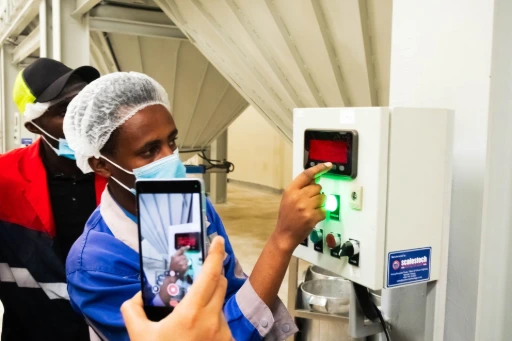
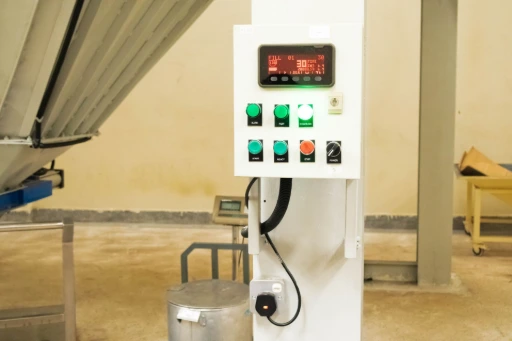
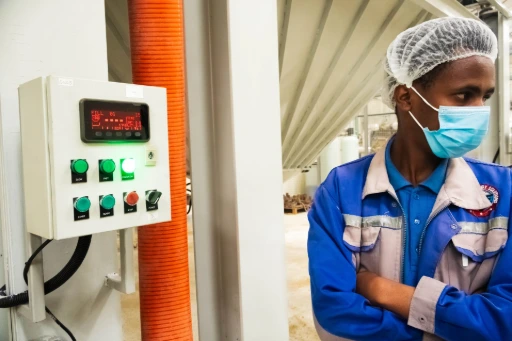
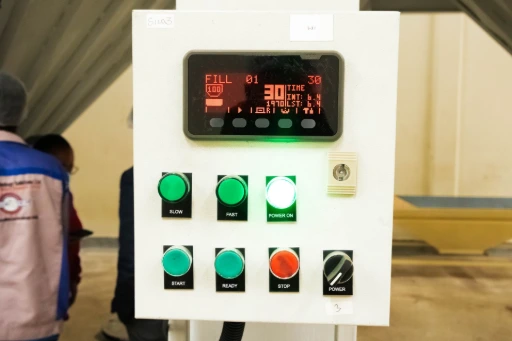
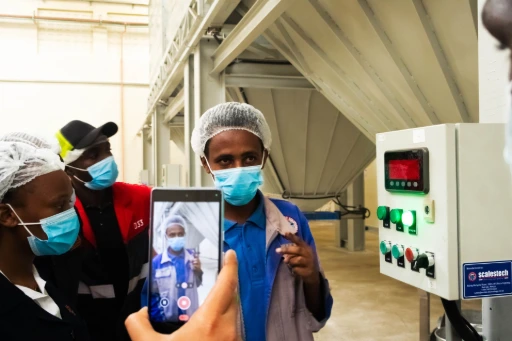
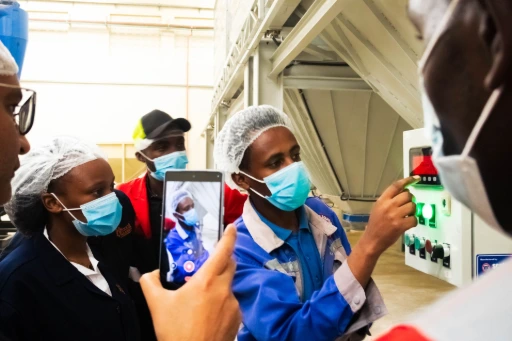
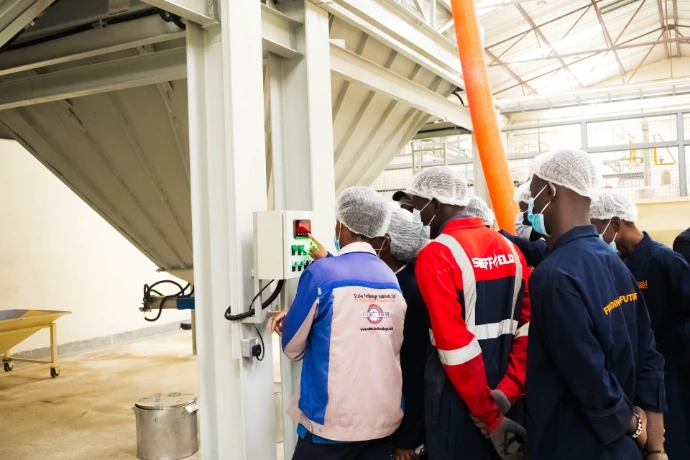
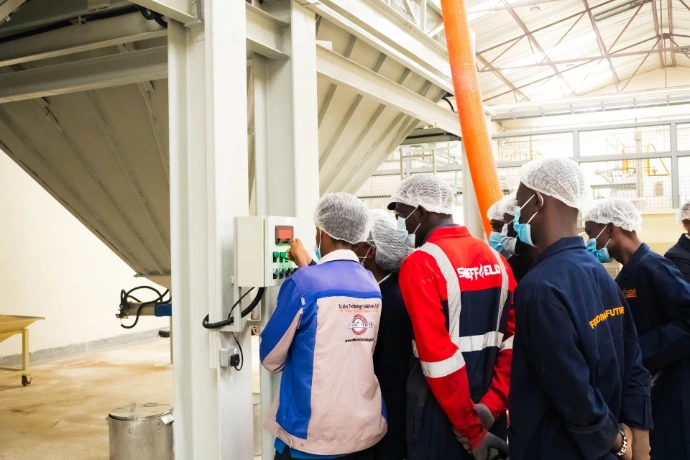
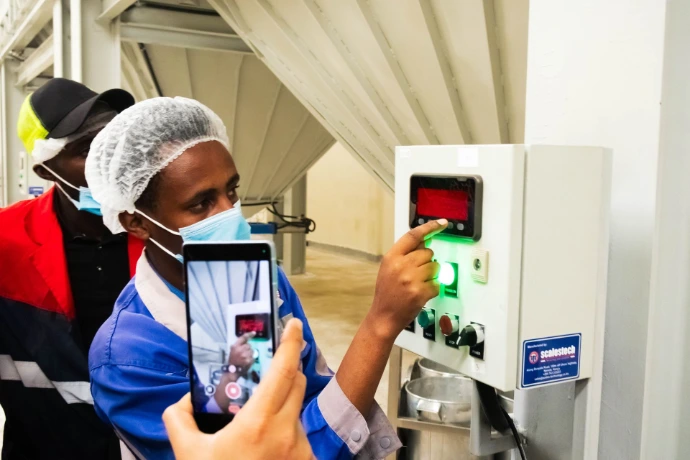
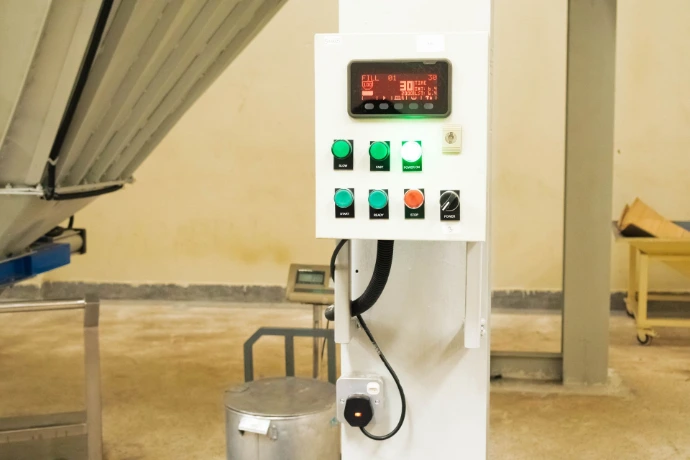
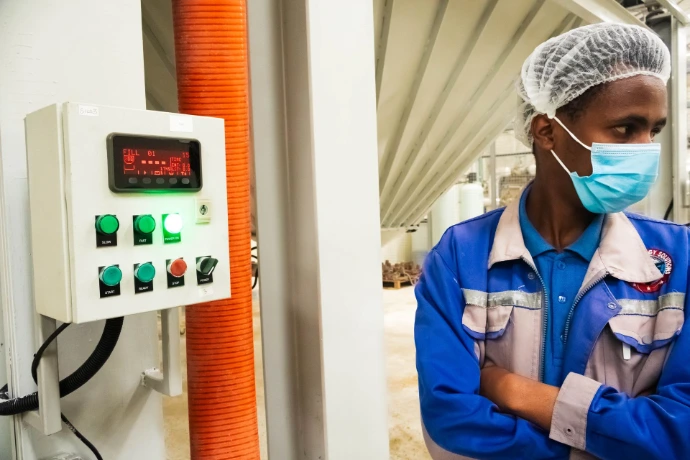
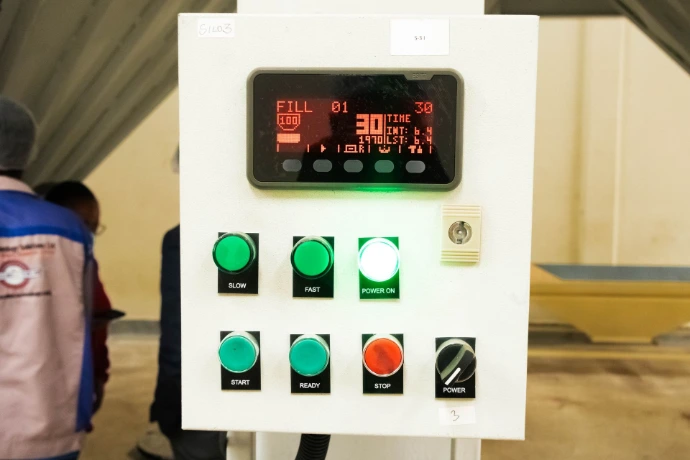
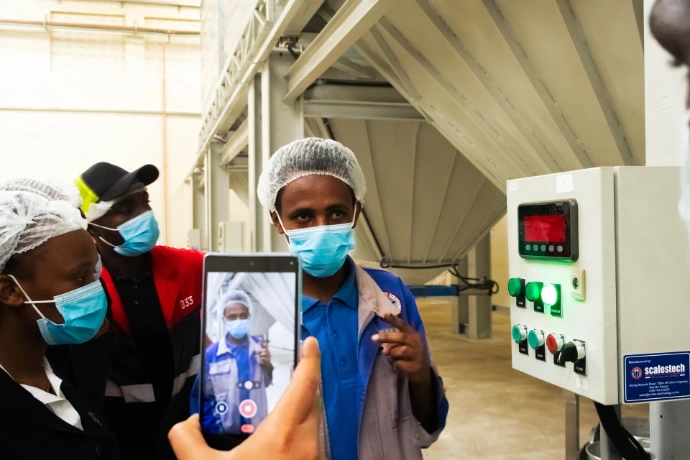
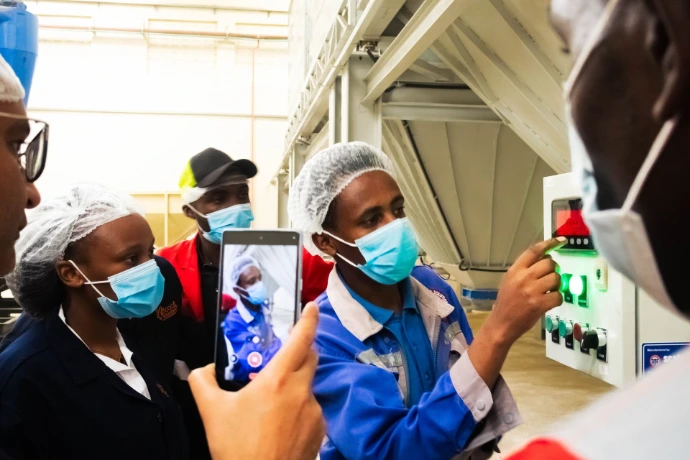
Step 2 — Digital Indicator Setup. Each silo was fitted with a digital weighing indicator that displays live weight readings, giving kitchen and inventory staff an at-a-glance view of exactly how much product remains in storage at any moment — no ladders, no dipsticks, no guesswork.
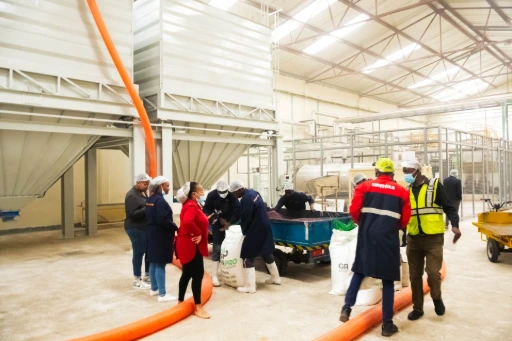
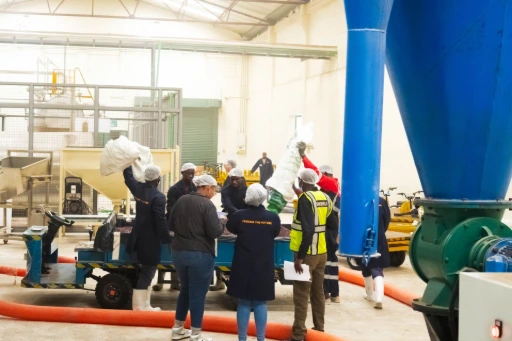
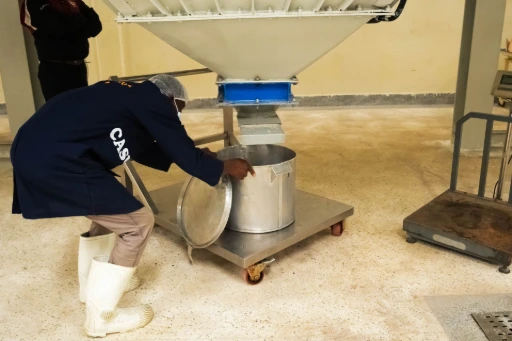
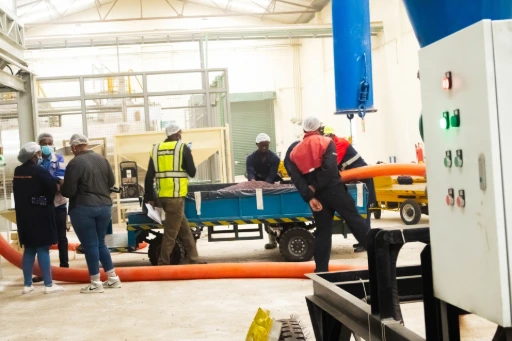
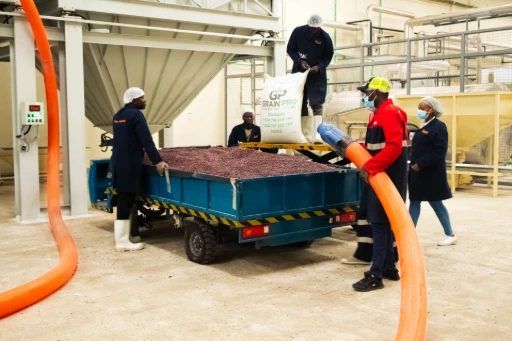
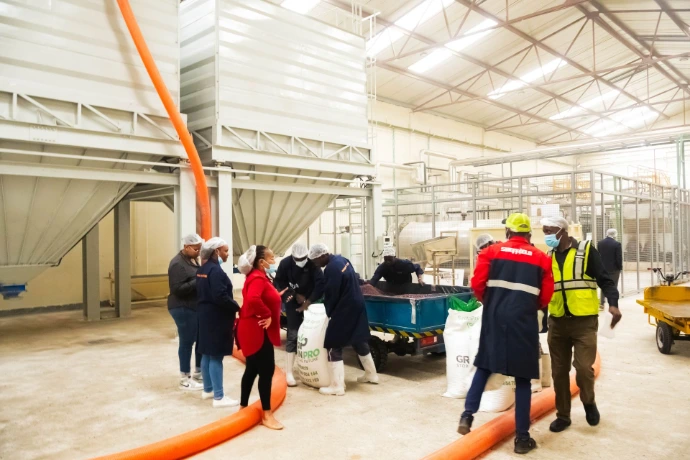
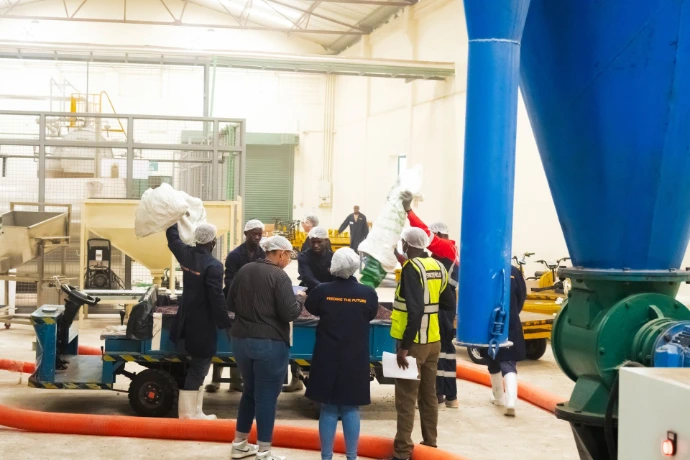
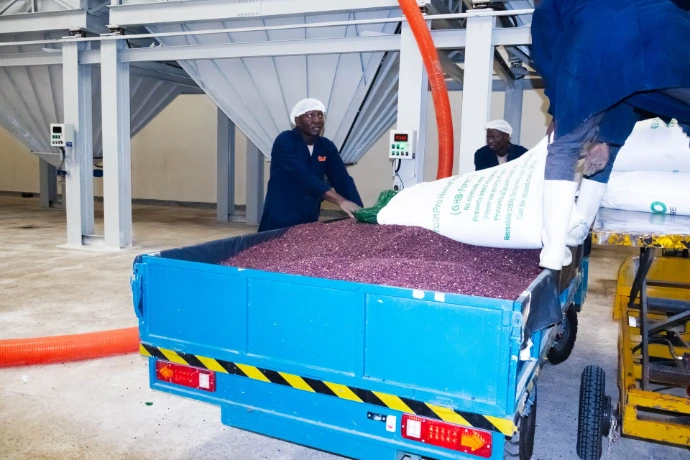
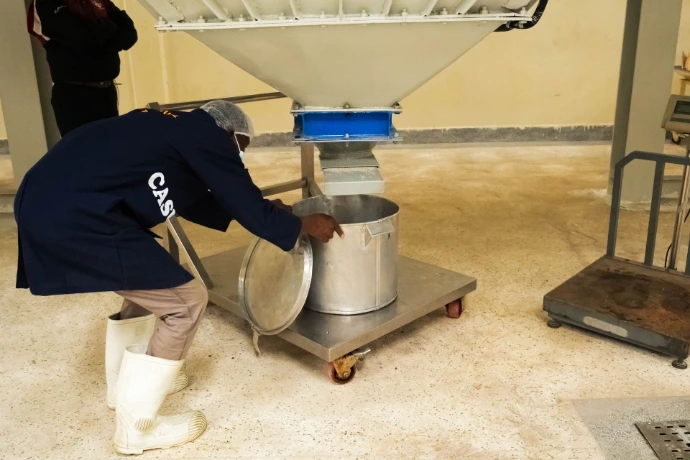
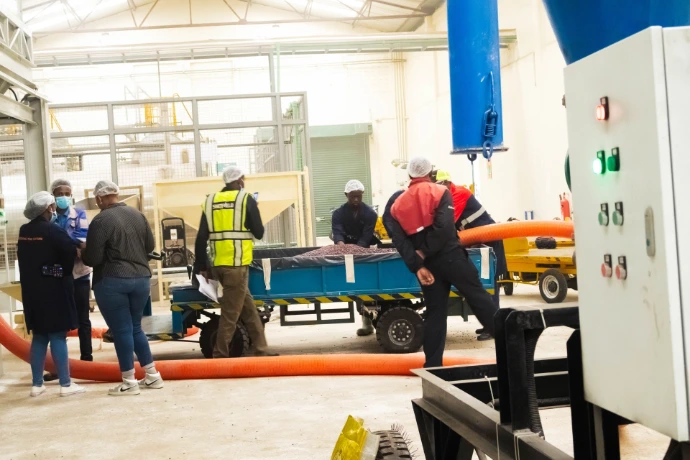
Step 3 — Automated Dispatch Configuration. This is the feature that distinguishes the Food4Education system from a simple "read-only" silo scale. Scalestech configured a programmable dispatch control system: an operator inputs the desired dispatch quantity (for example, 30 kg), and the system automatically releases exactly that amount and stops — no manual weighing, no overshoot, no underfill.
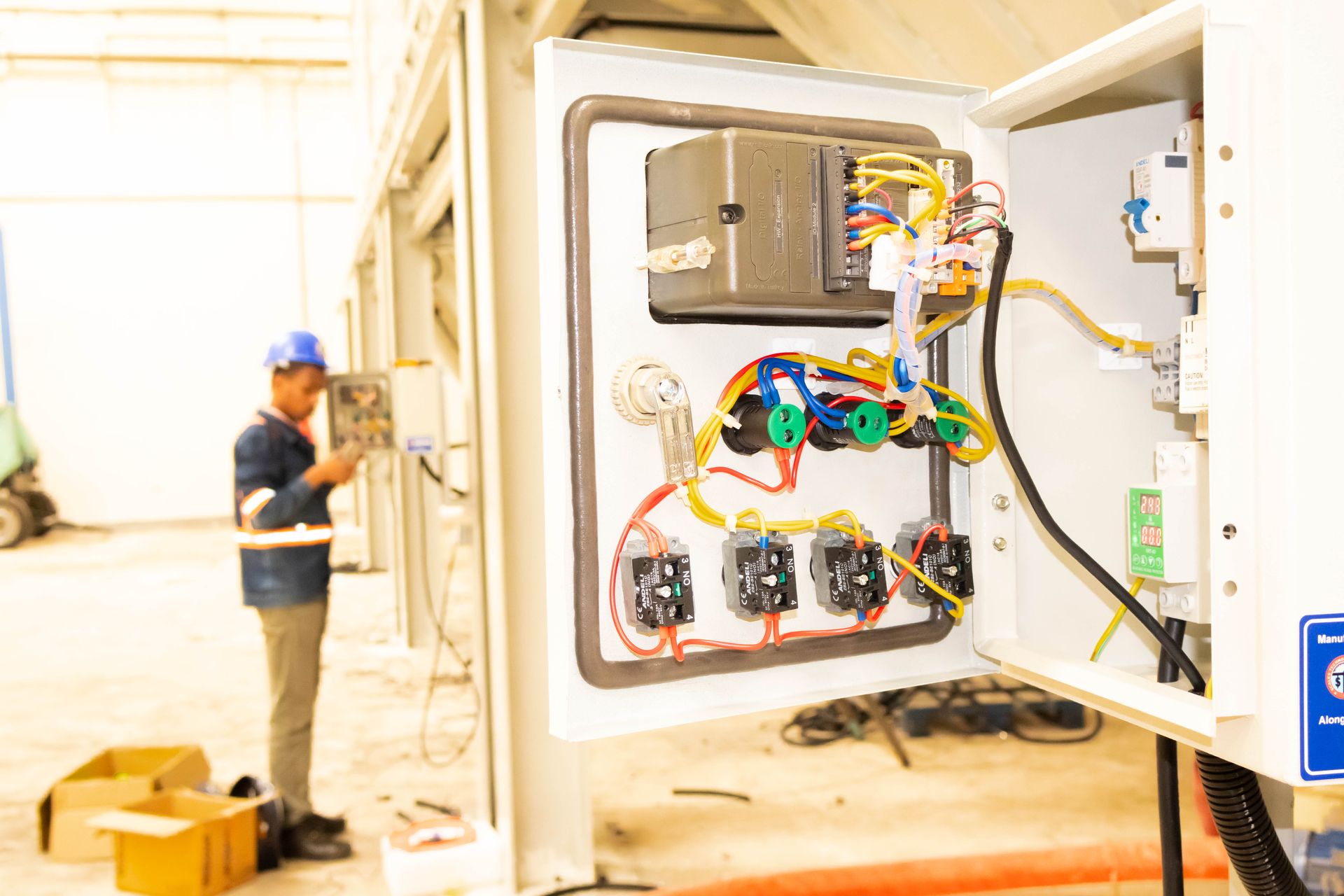
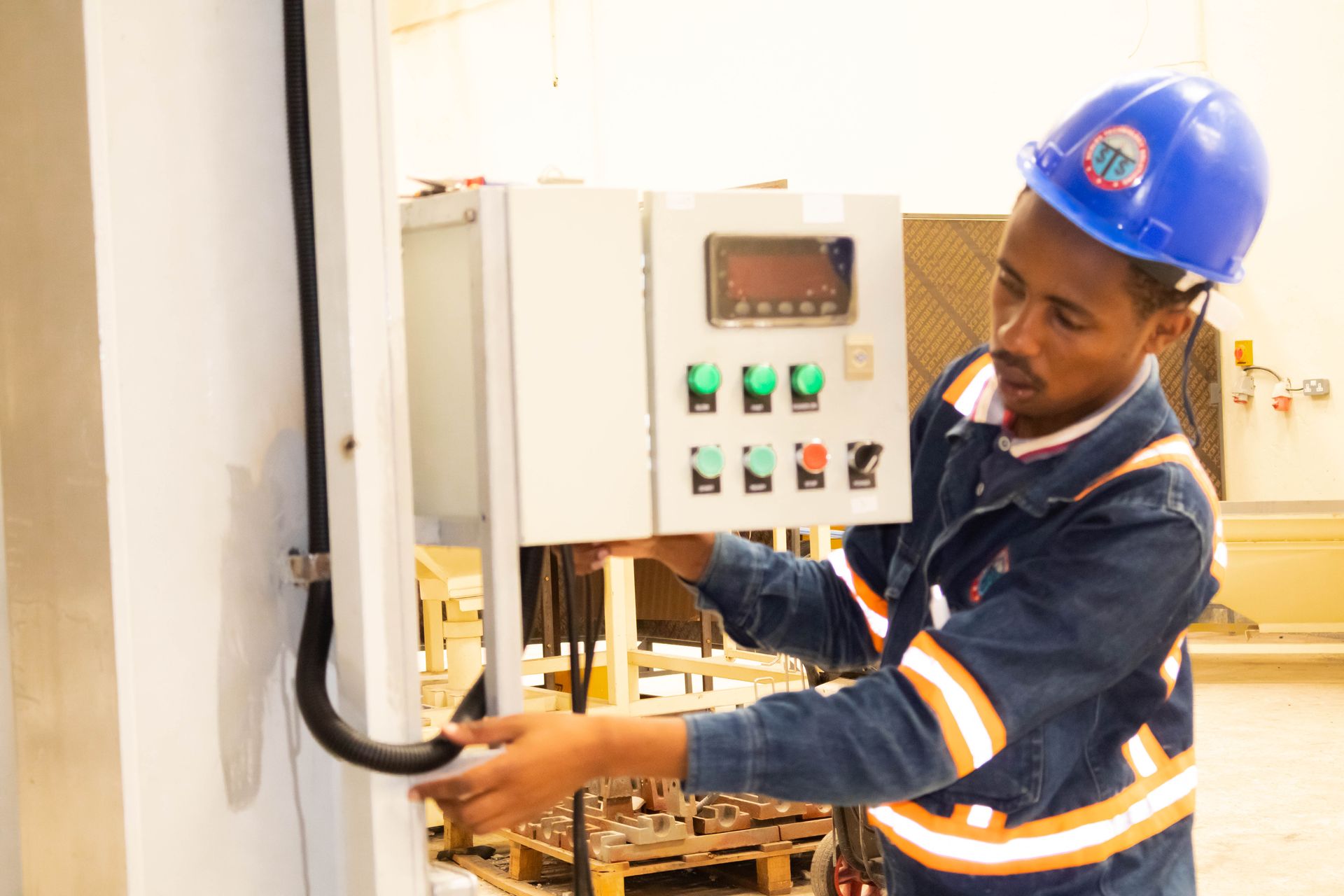
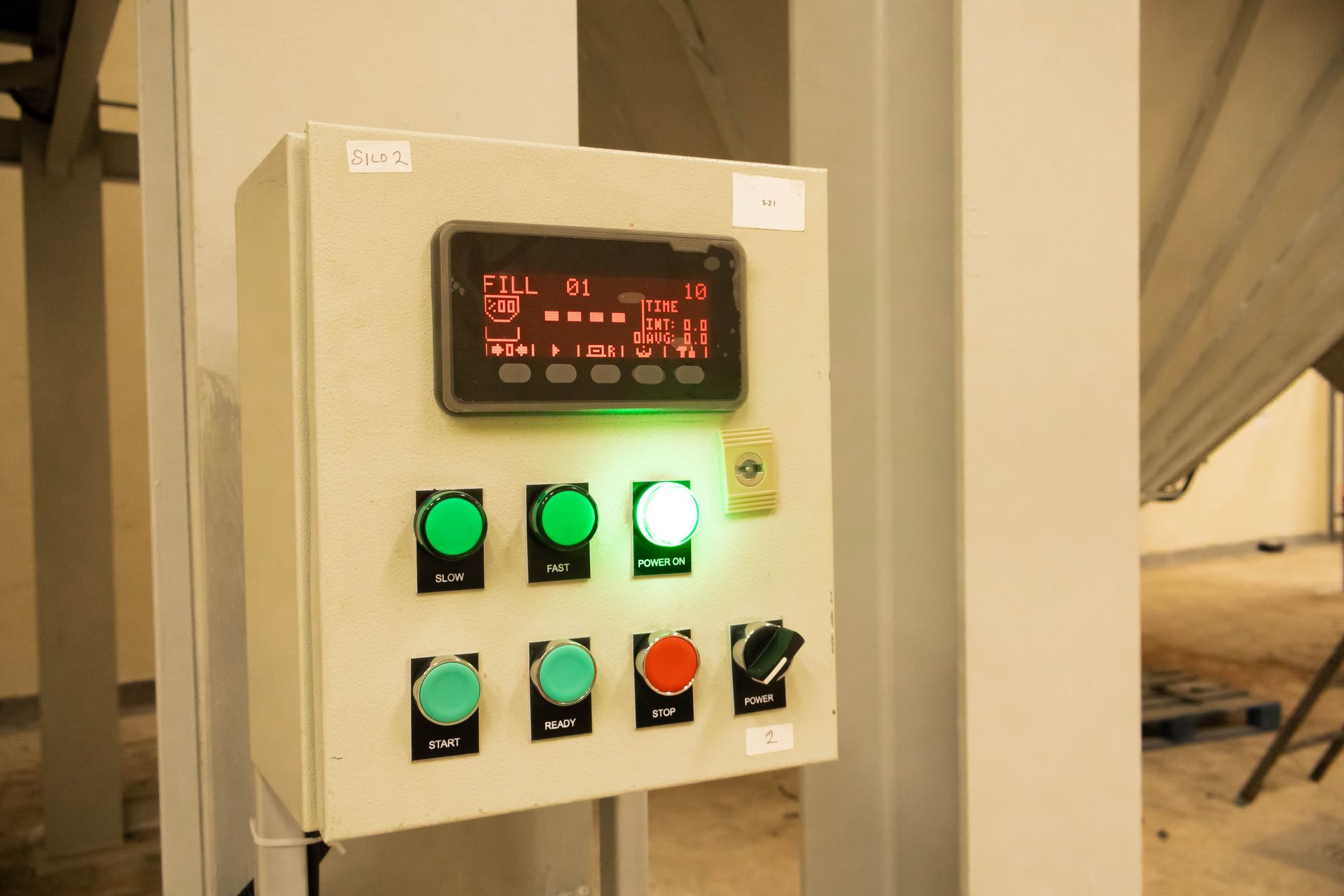
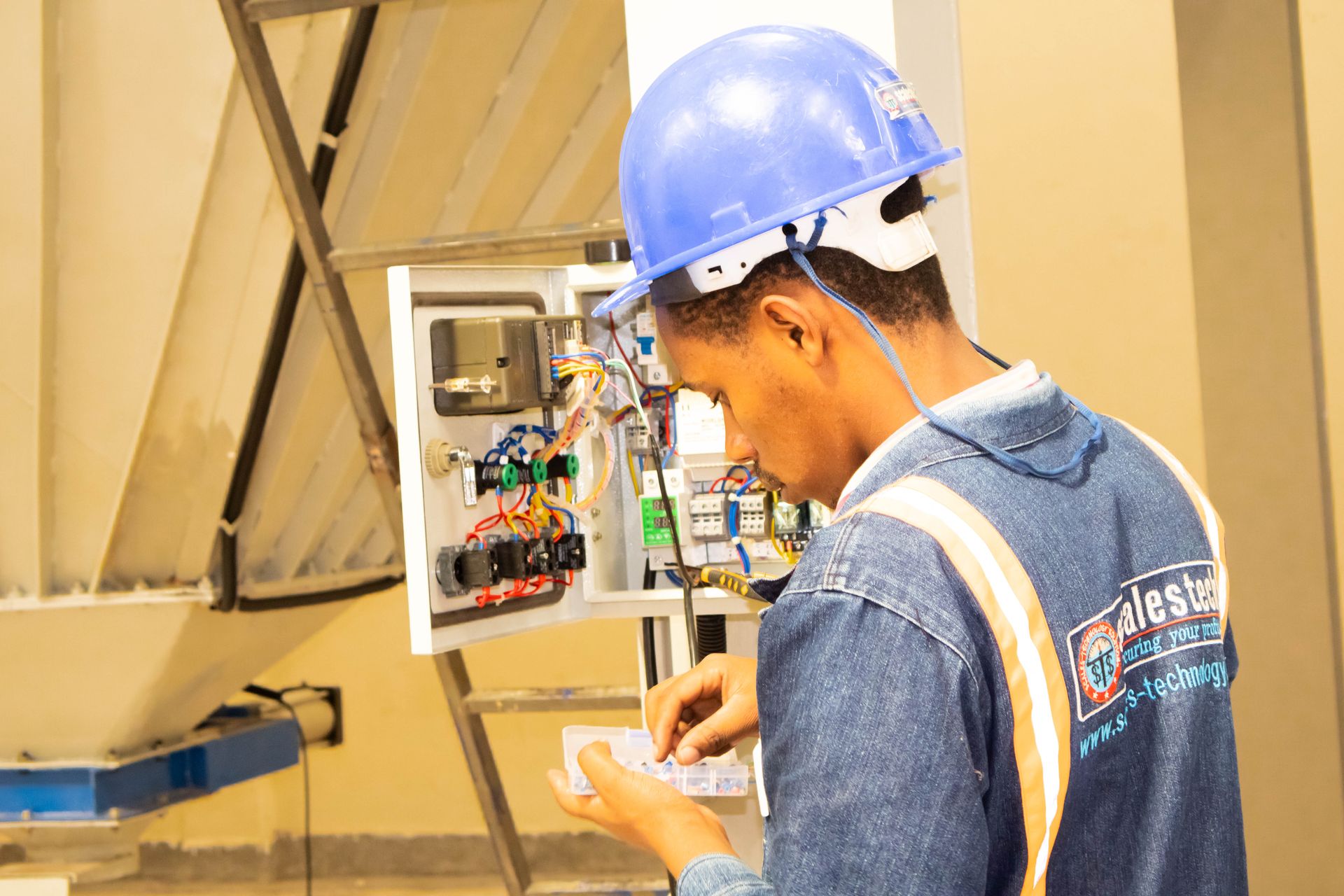
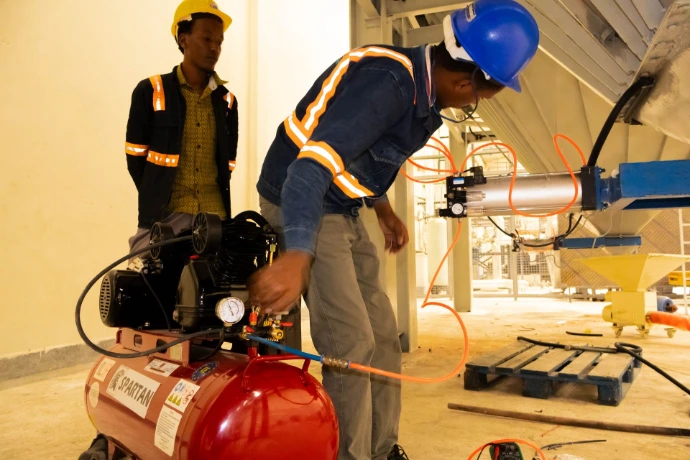
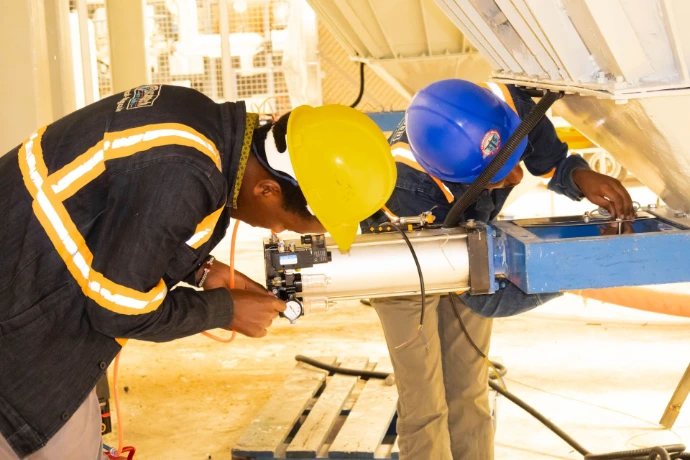
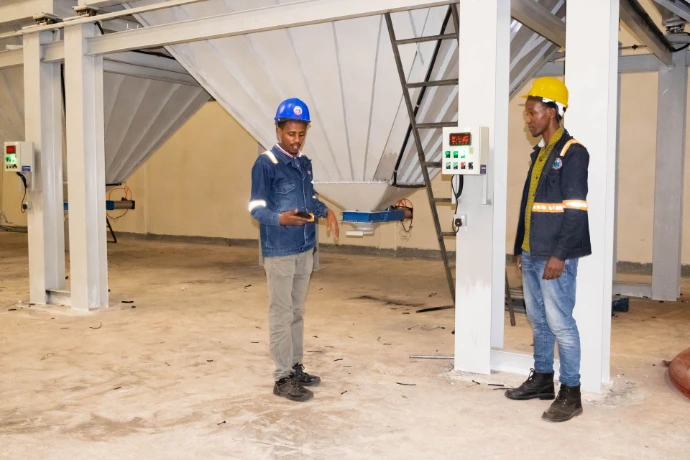
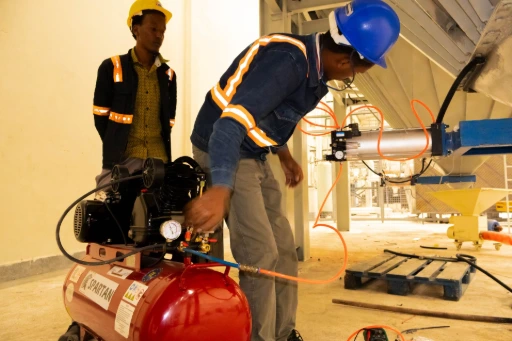
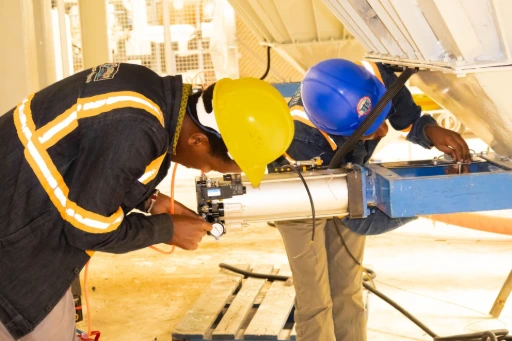
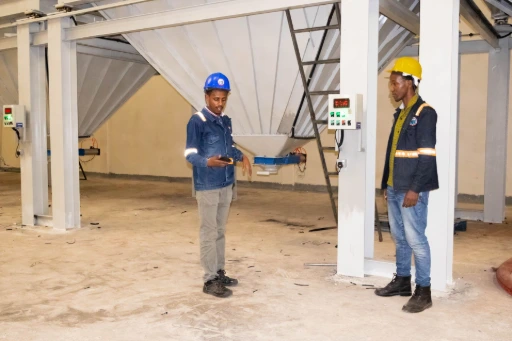
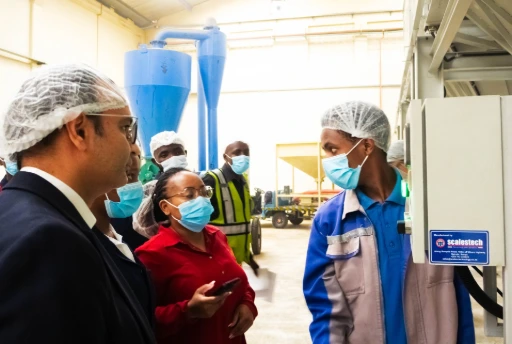
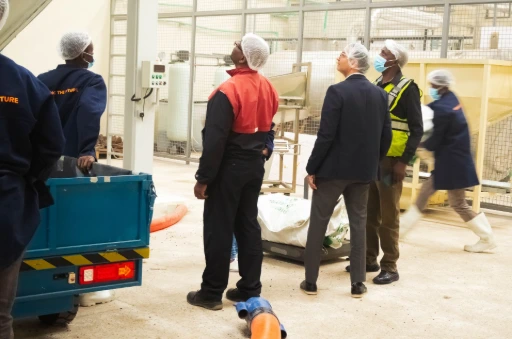
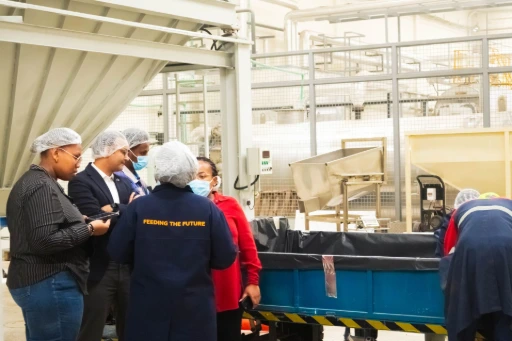
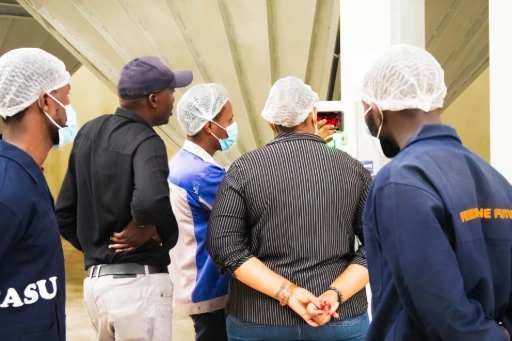
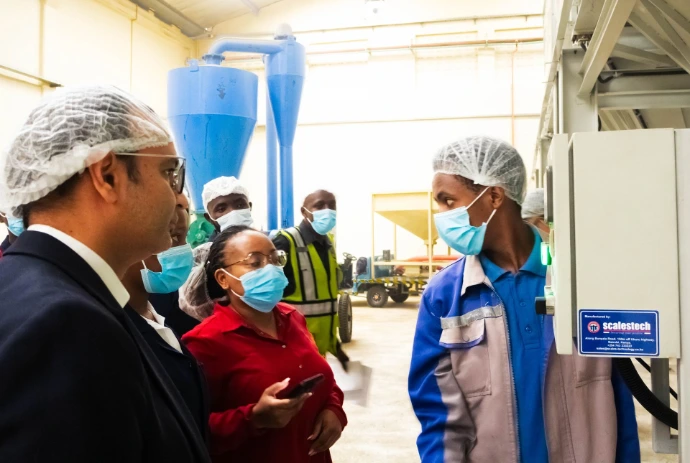
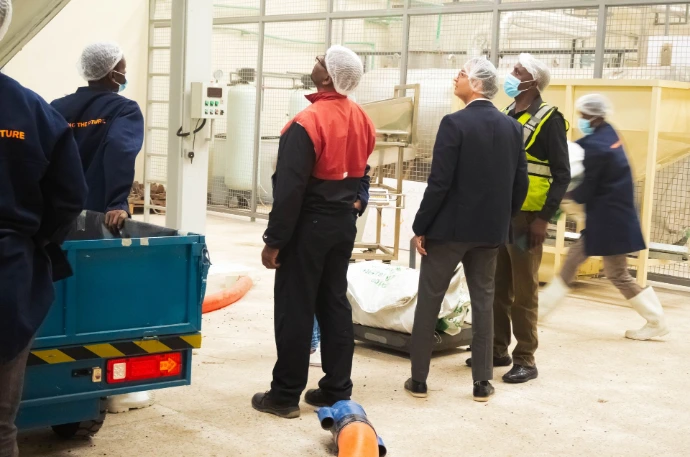
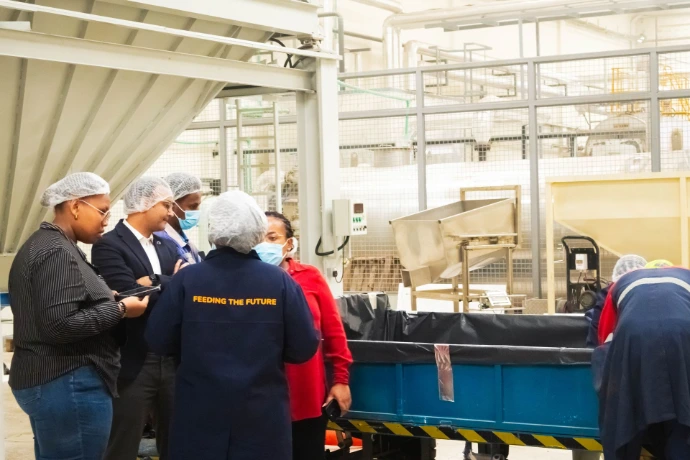
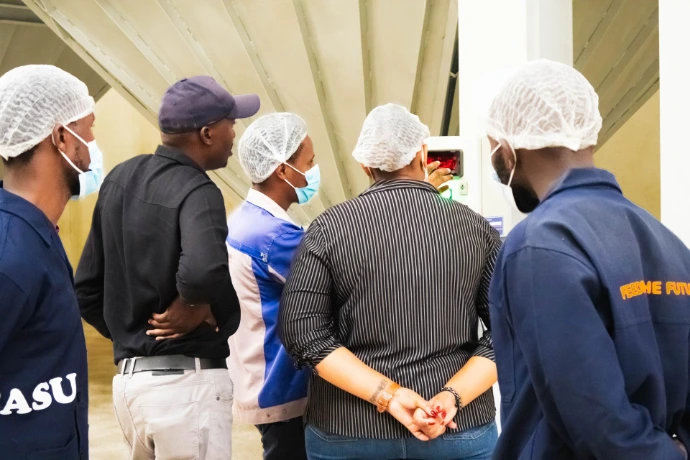
Step 4 — Commissioning and Calibration. Once installed, the system was calibrated against certified reference weights to confirm accuracy across its full operating range, and staff were trained on daily operation, including how to read the indicator, log dispatch events, and flag anomalies.
Key Benefits
- Precision dispensing — every dispatch is weight-verified, standardizing portions across every delivery and every shift.
- Time and labor savings — staff no longer manually measure or monitor releases, freeing kitchen staff for food preparation itself.
- Real-time inventory visibility — live weight display supports better restocking and procurement planning.
- Food safety and accountability — a closed, sensor-driven dispensing system reduces contamination risk and creates a clear record of what left the silo and when.
- Scalability — the same architecture is built to be replicated across additional Food4Education storage sites as the program expands.
Technology Used
- Heavy-duty industrial load cells — compression-type sensors rated for continuous silo-level duty
- Digital weighing indicators — real-time weight display and data output
- Automated dispatch control system — programmable, weight-triggered release mechanism
- Industrial-grade cabling and mounting hardware — engineered for durability under continuous mechanical load
How Silo & Tank Weighing Systems Work Across Different Materials
Grain and Flour Silos (Milling, Food Processing, School Feeding)
Grain and flour behave unpredictably in level-based sensing — bridging, compaction, and settling all distort volume estimates. Weight-based silo scales solve this directly, which is why food processors and institutions like Food4Education across Nairobi standardize on load-cell weighing rather than ultrasonic level sensors.
Liquid & Slurry Tanks (Beverage, Chemical, Energy Sectors)
Tank weighing systems apply the same load-cell principle to liquid storage — fuel depots, chemical batching tanks, and beverage processing tanks across Kenya's energy and manufacturing sectors use tank weighing telemetry to track volume by weight rather than relying solely on dipstick or float-gauge readings, which is especially valuable for fuels and chemicals where temperature affects volumetric accuracy but not mass.
Agricultural Cooperative Storage (Cereals, Coffee, Cotton)
Agricultural cooperatives across Kenya, Uganda, and Tanzania that handle pooled produce — maize, beans, coffee cherries, cotton — use silo and bulk-bin weighing to give member farmers a transparent, disputable-proof record of what they delivered, which matters directly for payout accuracy.
Why Weight-Based Silo Monitoring Matters for East African Food Security
School feeding programs across Kenya operate on tight budgets and thin margins for error. The Ministry of Education's national school meals guidelines emphasize consistent, adequate nutrition delivery — which is only achievable if the food actually reaches the kitchen in the quantities procured. Every percentage point of unaccounted loss between silo storage and meal preparation is a percentage point of a child's meal that didn't arrive. Automated, weight-verified dispensing — as deployed for Food4Education — is a practical, low-drama way to close that gap without adding administrative burden to already-stretched kitchen staff.
Silo Weighing Systems in Nairobi, Mombasa, Kisumu, Nakuru, Eldoret & Thika
Scalestech's Nairobi-based technical team installs and services silo and tank weighing systems across Kenya's major commercial and agricultural hubs:
- Nairobi — home to the majority of our giga-kitchen, food processing, and manufacturing silo installations, including the Food4Education project detailed above.
- Mombasa — port-adjacent storage and logistics operations, including grain import terminals and bulk cargo handling, where silo weighing supports customs and inventory reconciliation.
- Kisumu — agricultural cooperative and milling storage serving the wider Lake Victoria basin.
- Nakuru — grain milling and agro-processing hub with strong demand for silo-to-bag automated dispensing.
- Eldoret — a major cereal-growing region where silo weighing supports both cooperative storage and commercial milling.
- Thika — manufacturing and agro-processing corridor with growing demand for tank weighing in beverage and chemical processing.
Expanding Beyond Kenya — Silo & Tank Weighing for East Africa
Scalestech supports silo and tank weighing deployments beyond Kenya's borders as regional food processors, cooperatives, and manufacturers standardize on the same load-cell architecture:
- Uganda (Kampala) — grain milling and agricultural cooperative storage.
- Tanzania (Dar es Salaam, Arusha) — port logistics, food processing, and agro-export storage.
- Rwanda (Kigali) — manufacturing and agricultural cooperative applications.
- Zambia (Lusaka) — mining-adjacent and agricultural bulk storage.
- Sudan (Khartoum) — grain storage and food security applications, where accurate inventory tracking carries acute humanitarian relevance.