Weighbridge Relocation,
Reinstallation & Calibration Case Study: Capwell Industries Limited, Kenya
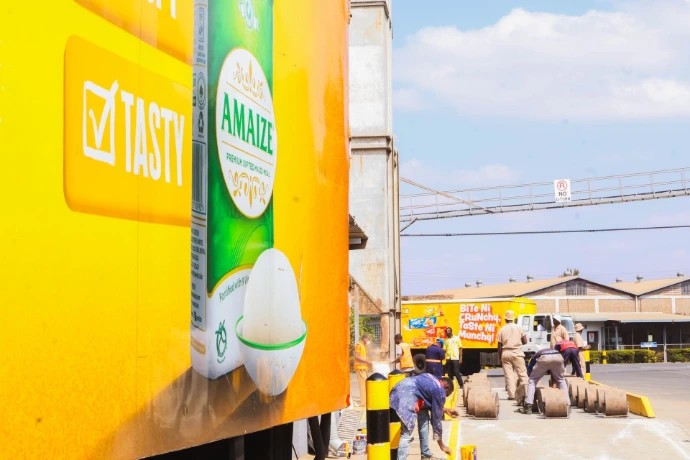
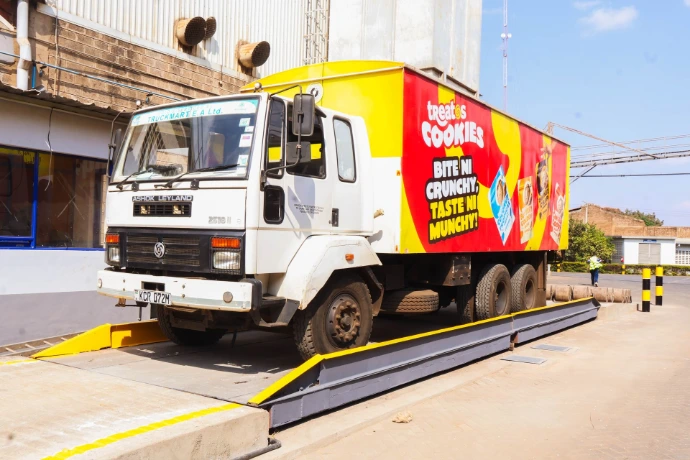
Project Overview: Weighbridge Relocation and Recommissioning for Capwell Industries
When Capwell Industries Limited needed to move its weighbridge from one operational position to another within its facility, the priority was simple: keep the existing weighing system, avoid the capital cost of a full replacement, and get back to certified commercial weighing with zero compromise on accuracy. Scales Technology Solutions Ltd (Scalestech) was engaged to handle the entire weighbridge relocation in Kenya — from dismantling and transport through reinstallation, calibration, and formal certification by the Department of Weights and Measures.
This case study documents that project end-to-end: the dismantling sequence, the site preparation and foundation checks at the new location, the reinstallation and system integration, the calibration and testing protocol used, and the verification and stamping process that made the weighbridge legally compliant for commercial use again. It is written both as a record of the work completed for Capwell Industries and as a practical reference for any business in Kenya considering a weighbridge relocation, reinstallation, or recalibration project of its own.
Weighbridge relocation is a specialised undertaking, not a straightforward “unbolt and move” job. A weighbridge is a precision instrument built around load cells, a levelled foundation, and a calibrated indicator system — disturb any one of those elements without the right process and the readings will drift, sometimes without any obvious visual sign that something is wrong. That is exactly why relocation projects like this one require a qualified weighbridge technician team, a documented calibration procedure, and sign-off from Kenya's legal metrology authority before the scale can be used again for trade.
Project Snapshot
|
Detail |
Summary |
|
Client |
Capwell Industries Limited |
|
Location |
Nairobi, Kenya (facility-internal relocation) |
|
Services performed |
Dismantling, relocation, site preparation, reinstallation, calibration, Weights & Measures verification and stamping, commissioning |
|
Equipment type |
Static commercial weighbridge (truck scale) |
|
Regulatory sign-off |
Department of Weights and Measures — verified and stamped for commercial use |
|
Provider |
Scales Technology Solutions Ltd (Scalestech), KENAS ISO/IEC 17025:2017-accredited |
|
Outcome |
Fully operational, legally compliant weighbridge recommissioned at new site location without full system replacement |
Scope of Work: Weighbridge Relocation Process at Capwell Industries
The project followed Scalestech's standard weighbridge relocation and recommissioning methodology, which is designed to preserve calibration integrity at every stage rather than treating calibration as a final “check the box” step.
1. Weighbridge Dismantling
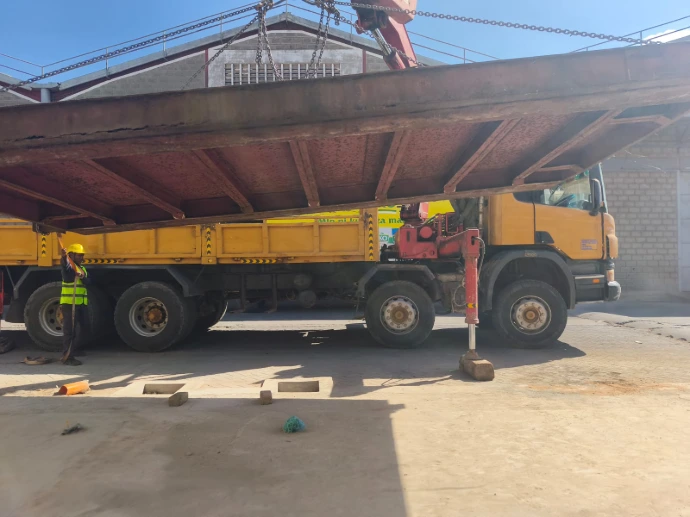
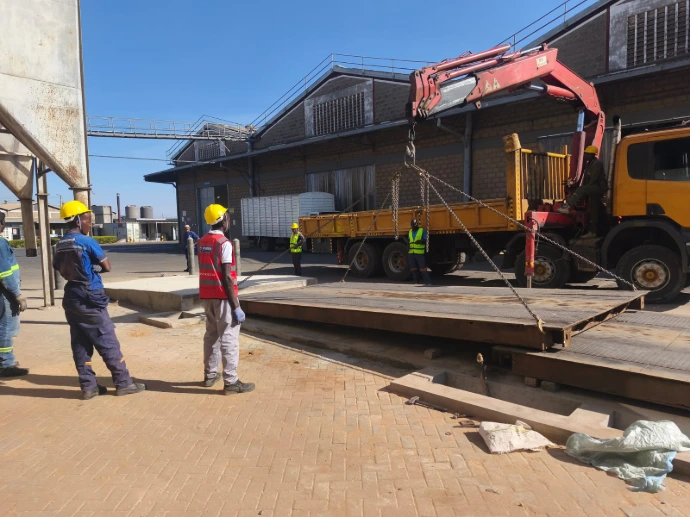
Before any physical movement began, the team safely isolated the weighing system and all associated electrical connections, disconnecting load cells, junction boxes, the weighing indicator, and related cabling in a documented sequence so every component could be correctly reconnected later. The weighbridge platform and its supporting structural components were then carefully dismantled and prepared for safe lifting and transportation to the new site. Each load cell was inspected during removal for physical damage, corrosion, or moisture ingress — common issues in coastal and high-rainfall regions of Kenya — before being packaged for transport.
2. Relocation & Site Preparation
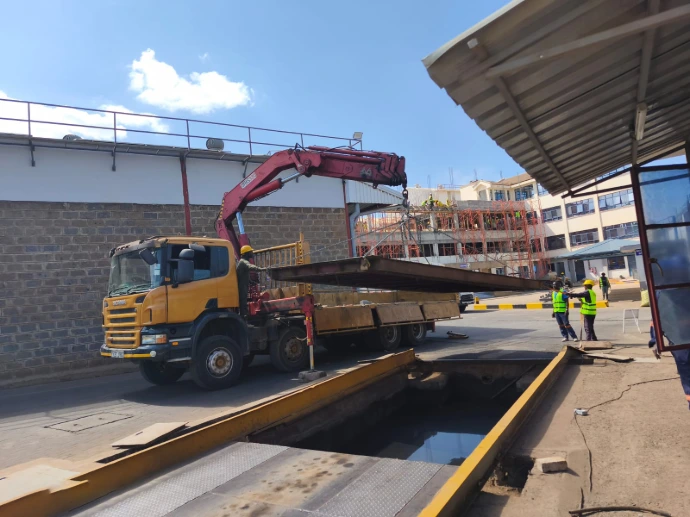
Lifting and moving the weighbridge platform is a controlled, multi-person operation using appropriate lifting equipment to avoid stressing the platform frame or load cell mounting points. Once at the new location, the team positioned the weighbridge on its newly prepared foundation and checked platform alignment, positioning, and levelness — a step that directly affects calibration accuracy, since even a small deviation from level can bias readings across the platform. The team also confirmed adequate clearance and proper vehicle access for weighing operations, factoring in truck turning radius and queuing space, which is a frequent design oversight on sites that weren't originally planned around a weighbridge.
3. Foundation and Civil Works Considerations
A weighbridge is only as accurate as the foundation beneath it. For a relocation project, the new foundation must be properly cured, level, and built to the load-bearing specification appropriate for the weighbridge's rated capacity before installation begins — rushing this step is one of the most common causes of post-relocation calibration failures across Kenya. Scalestech's site assessment ahead of reinstallation checks foundation curing time, drainage around the pit or surface-mount base, and clearance for load cell access panels, so future maintenance and recalibration don't require civil works to be repeated.
4. Reinstallation & System Integration
With the platform positioned and level, the team reassembled the weighbridge and its associated components, reconnecting the weighing indicator and junction box exactly as documented during dismantling. Every cable, connection, and weighing component was checked for integrity, and system checks were run to confirm stable communication between the load cells and the indicator before moving to calibration. This system integration stage is where wiring errors or a mismatched load cell would surface, so Scalestech treats it as a distinct verification gate rather than folding it into installation.
5. Calibration & Testing
Once reinstalled, the weighbridge underwent Scalestech's full calibration and testing protocol — the same standard applied whether a weighbridge is newly supplied, has undergone major repair, or, as in this case, has been relocated.
Zero-Balance Verification
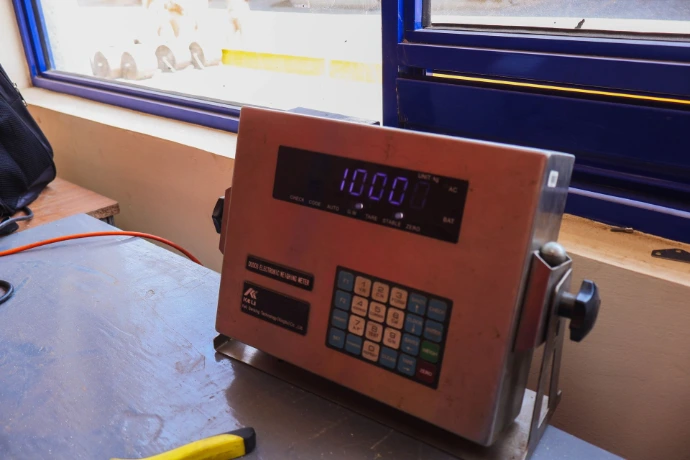
The system is checked with the platform empty to confirm it reads zero consistently and doesn't drift, which is the baseline every subsequent test builds on.
Corner/Sectional Testing
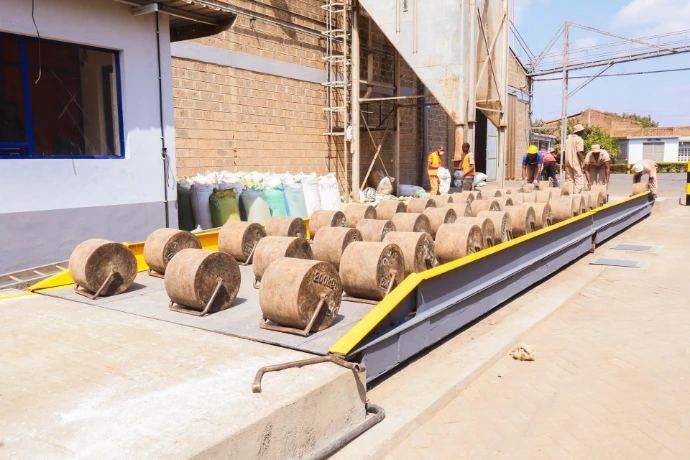
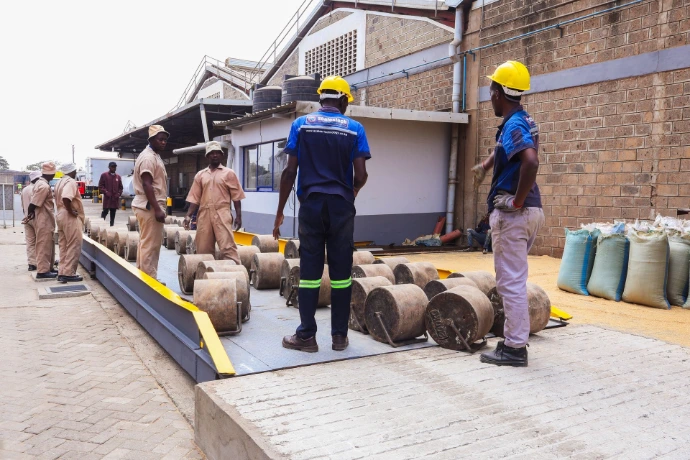
Test weights are applied at each corner and section of the platform individually to confirm every load cell is reading consistently — this is what catches an unevenly seated platform or a load cell that shifted during transport.
Test-Weight Loading, Repeatability & Accuracy Checks
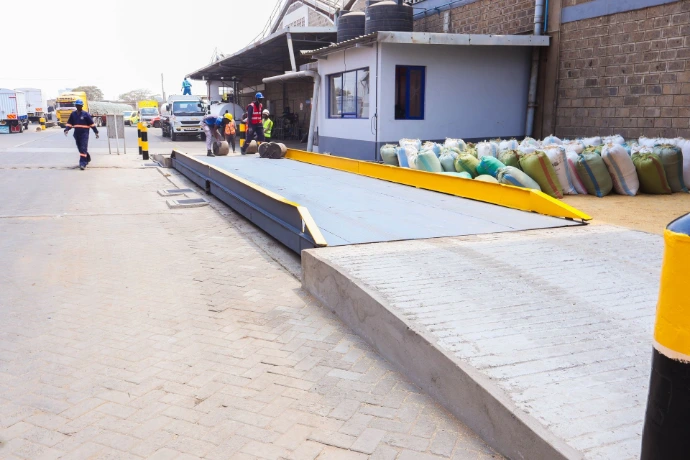
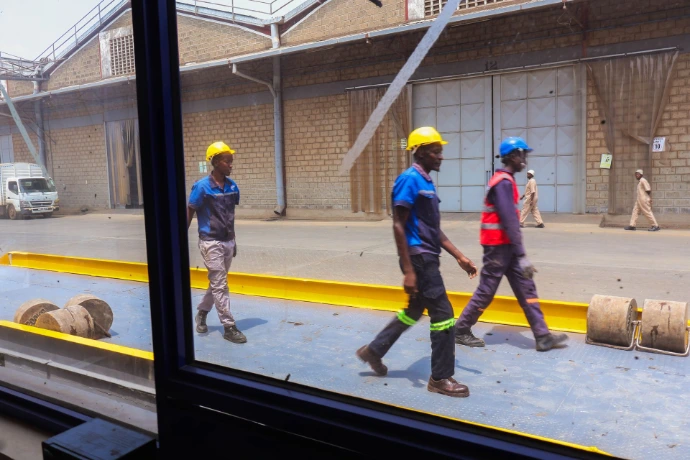
Certified test weights are applied incrementally across the platform's full weighing range, with repeat loadings used to confirm the weighbridge returns the same reading for the same load every time. The team verifies weighing performance across the entire platform, not just the centre, and adjusts the system where required before moving to final performance testing under simulated operational conditions — i.e., with vehicle loads representative of what Capwell Industries would actually weigh day to day.
6. Weights & Measures Verification and Stamping
Following successful installation, calibration, and testing, the weighbridge was presented for verification by the Department of Weights and Measures, the government body responsible for legal metrology in Kenya. The system was inspected and verified for compliance with applicable legal metrology requirements and subsequently stamped and approved for commercial weighing operations — the step that makes the weighbridge's readings legally admissible for trade, invoicing, and cargo documentation.
Legal Metrology Requirements in Kenya
Any weighbridge used for trade purposes in Kenya — meaning its readings are used to buy, sell, invoice, or bill for goods or transport — must be verified and stamped by the Department of Weights and Measures under Kenya's weights and measures legislation. This applies equally to a brand-new installation and to a weighbridge that has been relocated, repaired, or has had its load cells or indicator replaced, since any of those events can affect accuracy. Businesses that skip re-verification after a relocation run the risk of their weighbridge readings being challenged in a commercial dispute or during a regulatory audit.
7. Commissioning & Handover
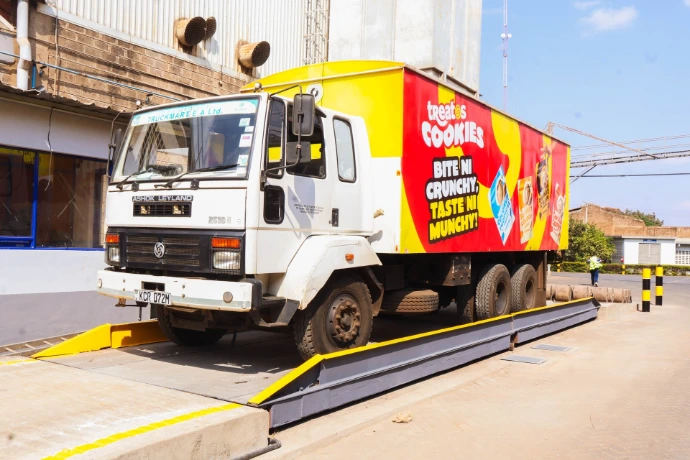
Upon successful verification and stamping, the weighbridge was commissioned and handed over to Capwell Industries for normal operations. Commissioning included final operational checks and confirmation that the weighing system was functioning accurately and reliably at its new location, together with a handover briefing covering day-to-day operation and the recommended maintenance and recalibration schedule going forward.
Project Outcome for Capwell Industries Limited
The successful relocation enabled Capwell Industries Limited to restore its weighbridge operations at a new, better-positioned location within the facility — without the capital expense of replacing the complete weighing system. Scalestech ensured the weighing equipment was properly dismantled, relocated, reinstalled, calibrated, tested, and verified, delivering a fully operational and legally compliant weighbridge ready for continued commercial use. The project demonstrates a practical, cost-effective alternative to full weighbridge replacement for businesses whose relocation, expansion, or reconfiguration needs mean their existing weighing point no longer fits their site layout.