80-Ton Weighbridge Installation in Eldoret: The Rift Grain Logistics Ltd
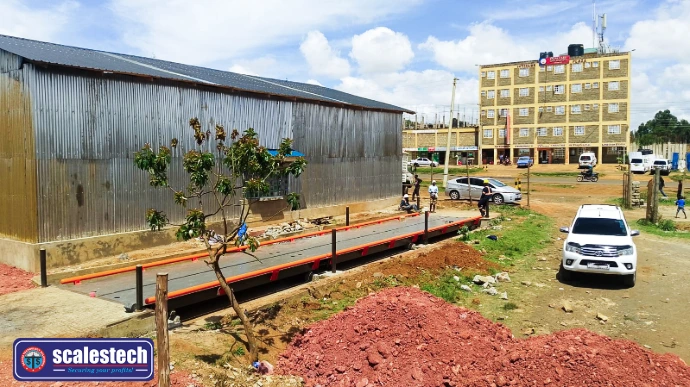
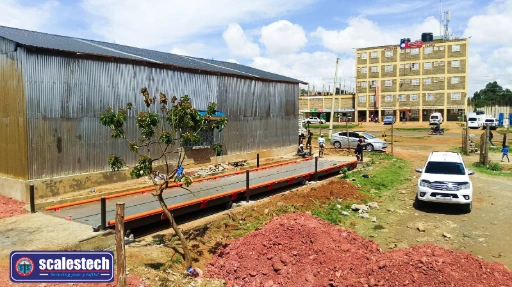
Rift Grain Logistics Ltd needed a weighbridge installation in Eldoret it could trust to the ton, every day, for years — not just at commissioning. Scalestech delivered an 80-ton digital ESIT weighbridge at the company's Uasin Gishu County facility, moving weighing in-house and pairing it with KEBS-aligned calibration, CCTV-monitored transactions, and weighbridge management software that logs every weighment.
Project Overview
Field | Detail |
|---|---|
Client | Rift Grain Logistics Ltd |
Location | Eldoret, Uasin Gishu County, Kenya |
Weighbridge type | Digital ESIT weighbridge (static, pit-less deck) |
Capacity | 80 tonnes |
Key components | ESIT weighbridge deck, high-precision load cells, CCTV surveillance, dedicated control room, weighbridge management software, certified calibration tools |
Sector | Agricultural logistics / grain transport |
Delivered by | Scalestech (Scales Technology Solutions Ltd) |
The Weighbridge Installation Process
Scalestech's field team ran the Rift Grain Logistics installation as an eight-stage project, the same sequence the company follows for every weighbridge installation in Kenya and the wider East Africa region.
Step 1: Site Assessment & Planning
Before any groundwork began, Scalestech's engineers carried out a full site survey at the Eldoret facility to determine the optimal deck position. This step accounts for truck approach angle, turning radius for articulated grain trucks, distance from the yard gate, and how the new weighbridge would integrate with Rift Grain Logistics' existing loading bays and internal traffic flow — a detail that matters as much for a busy grain depot as the weighing technology itself.
Step 2: Groundbreaking & Civil Works
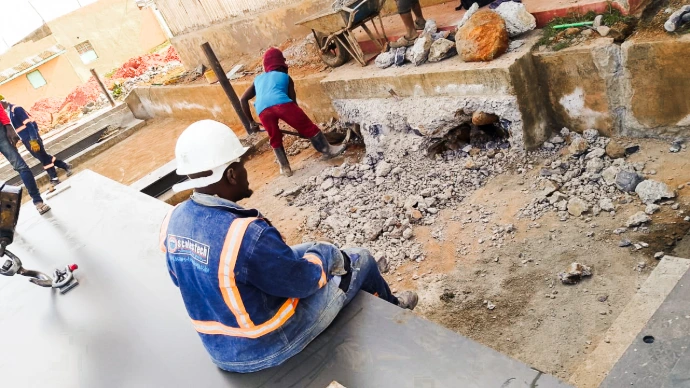
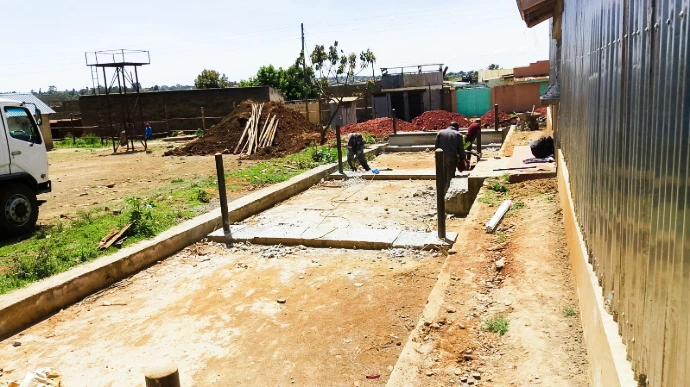
Excavation and groundwork preparation followed, including soil stabilisation appropriate to Uasin Gishu's clay-loam soils and a drainage plan designed around Eldoret's rainfall pattern, so standing water during the long-rains season would not undermine the foundation or interfere with load-cell accuracy.
Step 3: Foundation Construction
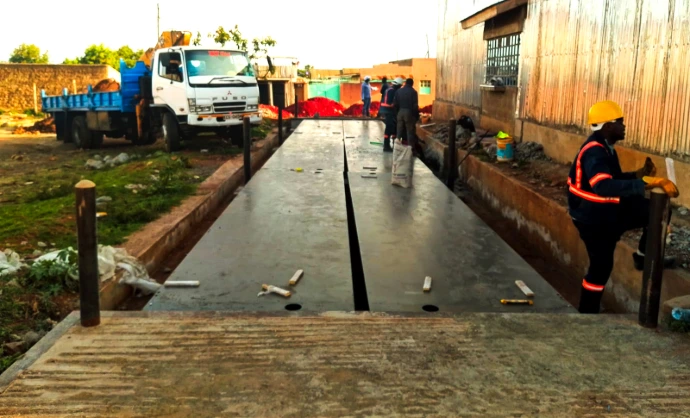
The team built a reinforced concrete foundation engineered specifically for the 80-ton capacity of the ESIT weighbridge deck. Foundation quality is the single biggest determinant of long-term weighing accuracy — a deck on an under-engineered base will drift out of calibration far faster than one on a correctly specified slab.
Step 4: Deck & Load Cell Installation
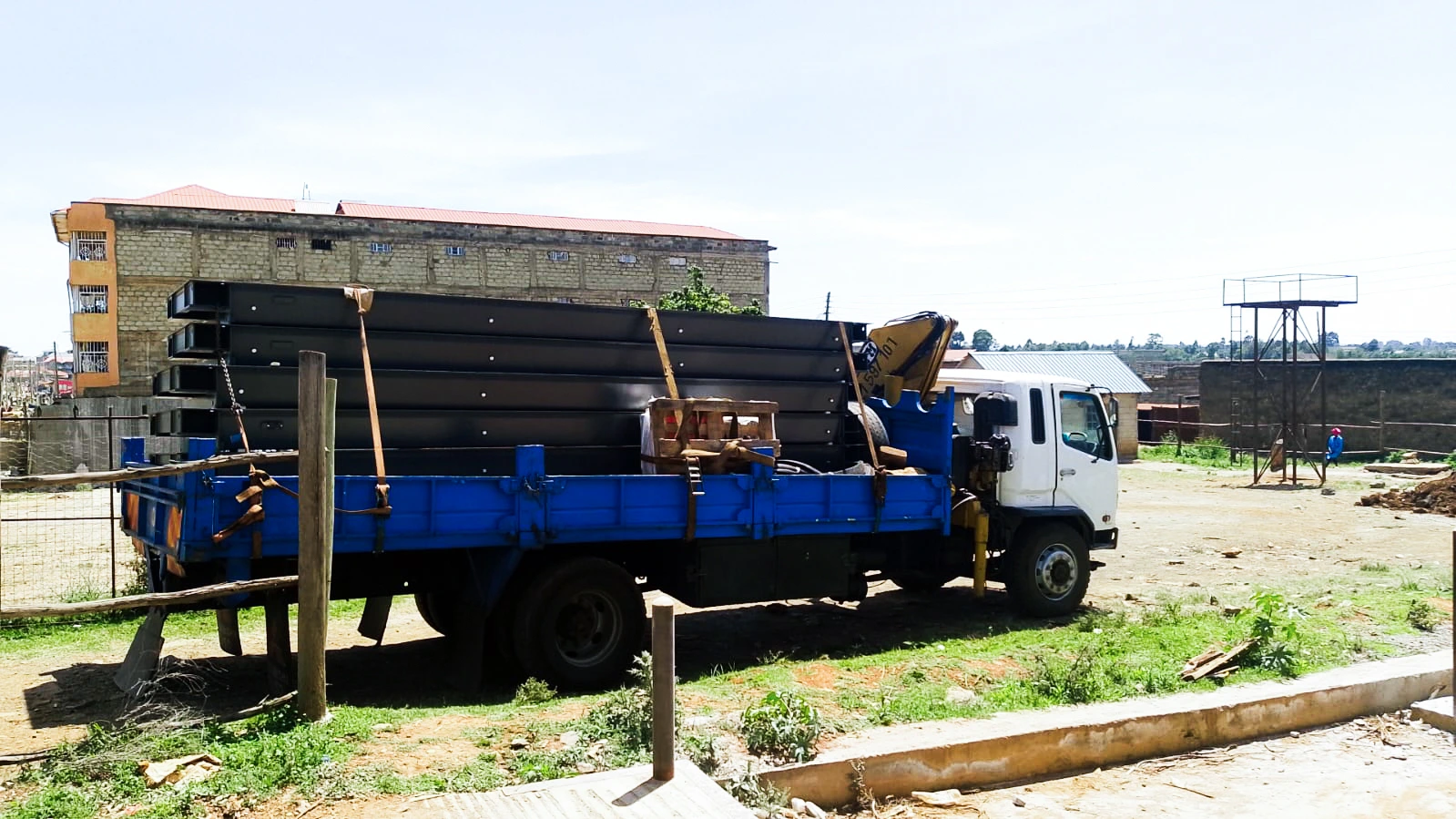
Scalestech installed the ESIT steel deck and integrated high-precision load cells calibrated to distribute and measure load accurately across the full 80-tonne range, from an empty flatbed to a fully loaded grain truck.
Step 5: Weighbridge Software Configuration
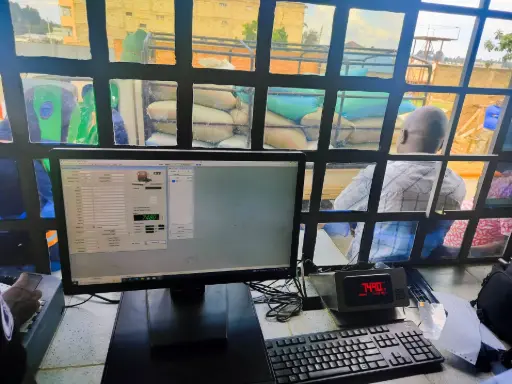
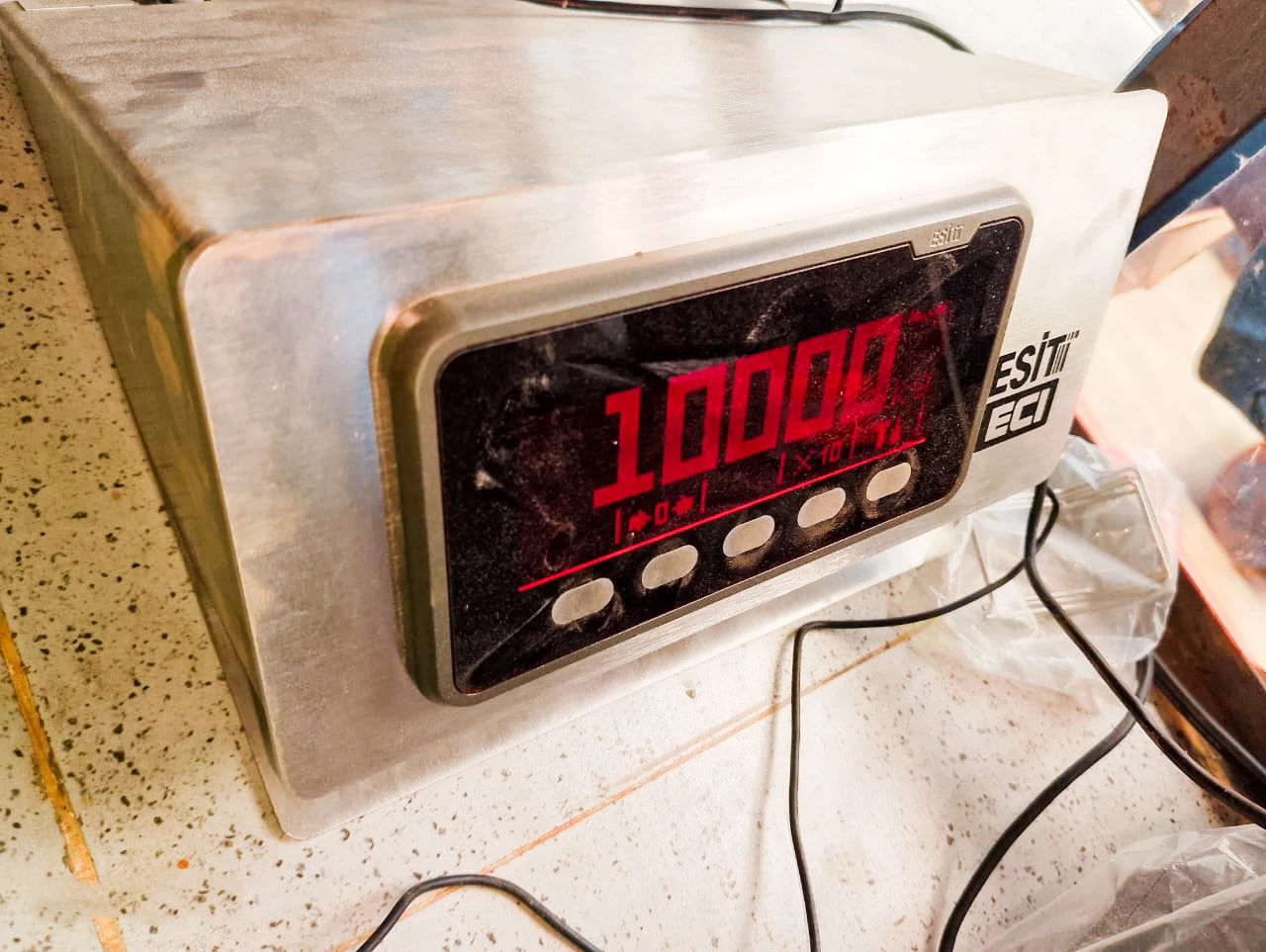
Scalestech deployed ESIT SPwin weighbridge management software configured for automated data collection, ticket printing, and weight verification, so every truck's in-weight, out-weight, and net weight is logged automatically rather than transcribed by hand.
Step 6: Calibration & Testing
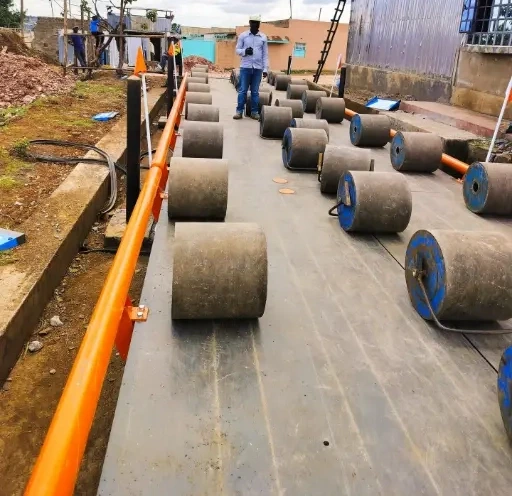
The final stage was calibration using certified test weights, run to confirm the installation met Kenyan measurement standards before the weighbridge was handed over for live operation.
Outcome & Operational Impact
The 80-ton digital weighbridge at Rift Grain Logistics Ltd has measurably changed how the company handles vehicle weighing. Trucks are weighed in-house on a schedule the company controls, weight records are logged through the weighbridge software and backed by CCTV footage rather than handwritten, and disputes over load weight are resolved against a digital ticket instead of a third party's word.
Efficiency Gains
Removing the need to queue at a shared or NCPB weighbridge shortens truck turnaround time at the Eldoret yard, which matters most during peak harvest months (roughly July–September for the long-rains crop and December–February for the short-rains crop) when grain trucking volumes in the North Rift spike.
Data & Compliance
Automated logging gives Rift Grain Logistics a defensible weight record for every consignment — useful for buyer reconciliation, insurance claims, and demonstrating compliance with Kenya's Weights and Measures Act requirements for trade weighing equipment.
Return on Investment for Grain Logistics Operators
For a transport operator billing by the tonne, an in-house weighbridge typically pays for itself through reduced dispute resolution time, elimination of third-party weighing fees, and faster truck cycling — the exact combination Rift Grain Logistics gained from this installation.
Weighbridge Installation Costs in Kenya: What Influences Pricing
Every weighbridge installation cost in Kenya is quoted against the same handful of variables, and Rift Grain Logistics' 80-ton project reflects a typical mid-to-large capacity commercial installation:
Capacity — an 80-ton deck (typical for grain and general cargo trucks) costs less than a 100-ton+ mining or bulk-haulage weighbridge, but more than a 40-ton or 60-ton light-commercial deck.
Deck type — static pit-less decks like the one installed for Rift Grain Logistics avoid the excavation cost of a pit-mounted deck, but civil works still vary with soil conditions.
Civil works — foundation cost depends on soil type, drainage requirements, and site accessibility for construction equipment.
Automation level — CCTV integration, weighbridge management software, and remote monitoring add to the base cost but reduce staffing and dispute-resolution overhead over the equipment's life.
Calibration and certification — certified test weights and KEBS-aligned calibration are a fixed line item regardless of capacity.
Distance from Nairobi — logistics and installation-team travel cost is a real factor for Rift Valley and upcountry sites versus Nairobi-based installations.
Because these variables shift the total significantly, Scalestech quotes each weighbridge installation individually after a site assessment rather than publishing a flat price list — request a site visit for an accurate quote.
Why Choose Scalestech for Weighbridge Installation in Eldoret and the Rift Valley
Scalestech supplies, installs, and calibrates weighbridges across Kenya's Rift Valley — Eldoret, Nakuru, Kitale, and Kericho — as well as Nairobi, Mombasa, Kisumu, and Thika, with the same eight-stage process used for Rift Grain Logistics. That includes:
Full civil works management, not just equipment supply — foundation design, drainage, and control-room construction handled by the same team that installs the deck.
ESIT weighbridge decks paired with high-precision load cells, chosen for durability under East African road and yard conditions.
In-house weighbridge management software and SPWin integration for automated ticketing and reporting.
Certified calibration using test weights, aligned with Kenyan weights and measures requirements.
After-installation calibration services and maintenance support, so accuracy is maintained for the life of the weighbridge, not just at commissioning.
Weighbridge Solutions Across East Africa
Beyond Kenya, Scalestech supports weighbridge installation and weighing automation projects across East Africa's key logistics and agricultural corridors, including Kampala (Uganda), Dar es Salaam and Arusha (Tanzania), Kigali (Rwanda), Lusaka (Zambia), and Khartoum (Sudan) — relevant for grain, mining, and logistics operators whose routes, like Rift Grain Logistics', cross the Malaba border and beyond into the regional trade corridor.