
Running a retail business requires more than having products on the shelves. From keeping track of stock and processing payments to weighing products accurately and serving customers efficiently, every part of the operation contributes to the success of the business.
Whether you operate a supermarket, minimart, cereal shop, butchery, pharmacy, hardware store, grocery shop, or wholesale outlet, the right technology can help you manage daily operations more effectively.
At Scalestech, we provide retail weighing scales, point-of-sale (POS) systems, and business technology solutions designed to support different retail environments. Our approach goes beyond supplying individual products. We help businesses identify the equipment and systems that fit their operations, from weighing and pricing products to processing sales and managing inventory.
If you are looking for retail weighing scales in Kenya, supermarket weighing solutions, or POS software for your shop, understanding how these technologies work together is a useful starting point.
Why Retail Businesses Need the Right Weighing and POS Solutions
Every retail business handles products, sales, and stock differently. A supermarket may need barcode label-printing scales and several checkout terminals, while a cereal shop may need a reliable price-computing scale and a straightforward billing system.
A butchery needs accurate weighing for meat sales. A pharmacy needs effective product and stock management. A hardware store may need a POS system that handles different product categories, prices, and stock levels.
Using technology suited to the business can help retailers:
Improve weighing and pricing accuracy.
Reduce manual calculations and repetitive data entry.
Process customer transactions more efficiently.
Maintain clearer sales and inventory records.
Monitor stock movement and identify discrepancies.
Improve visibility into business performance.
Provide a more consistent customer experience.
The goal is not to invest in the most complicated system available. It is to choose technology that solves real operational challenges and supports the business as it grows.
1. Retail Weighing Scales for Accurate Pricing and Sales
Retail weighing scales are essential for businesses that sell products by weight. They help determine the weight of a product and, depending on the scale type, calculate its price or print a label or receipt.
Scalestech supplies different types of retail weighing scales for supermarkets, grocery stores, butcheries, cereal shops, and other businesses.
Price-Computing Scales for Shops, Groceries and Butcheries
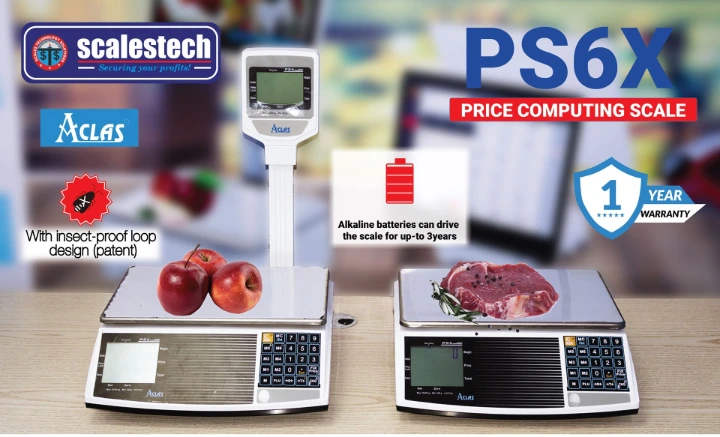
A price-computing scale measures a product's weight and calculates the selling price using the price per kilogram entered into the scale.
For example, when a customer buys 2 kg of rice or 1.5 kg of meat, the scale calculates the total price based on the applicable unit price.
These scales are useful for:
Cereal and grain shops.
Butcheries and fish shops.
Fruit and vegetable vendors.
Grocery stores and minimarts.
Market stalls and general retail outlets.
One option is the Aclas PS6X price-computing scale, which features a dual display for the operator and customer. Its battery-powered design also makes it useful in settings where access to a convenient power supply is a concern.
For retailers who need straightforward weighing and pricing without a separate label-printing process at the counter, a price-computing scale can be a practical choice.
Barcode Label-Printing Scales for Supermarkets
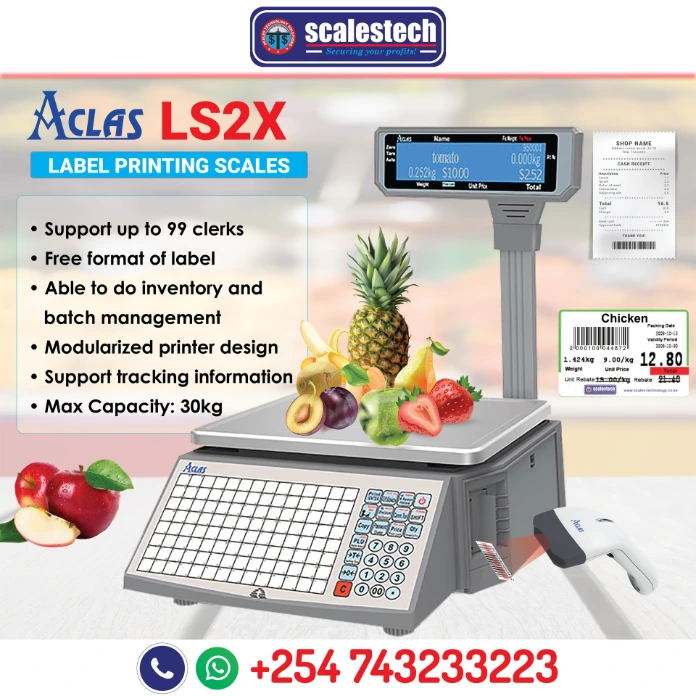
Supermarkets often sell fresh produce, meat, seafood, bakery products, and deli items that need to be weighed and labelled before checkout.
A barcode label-printing scale weighs the product and prints a label containing configured information such as the product name, weight, price, and barcode. Depending on the setup, additional details may also be included.
At checkout, the barcode can be scanned by a compatible POS system, allowing the transaction to be processed using the information encoded in the barcode.
This can help supermarkets:
Standardise product labels.
Reduce manual price entry.
Speed up checkout for pre-weighed products.
Improve consistency between weighing and billing.
Support product identification and sales recording.
Scalestech supplies label-printing solutions such as the Aclas LS2X, suitable for supermarket fresh-food counters and other retail applications where accurate, scannable labels are required.
Receipt-Printing and Cash-Register Scales
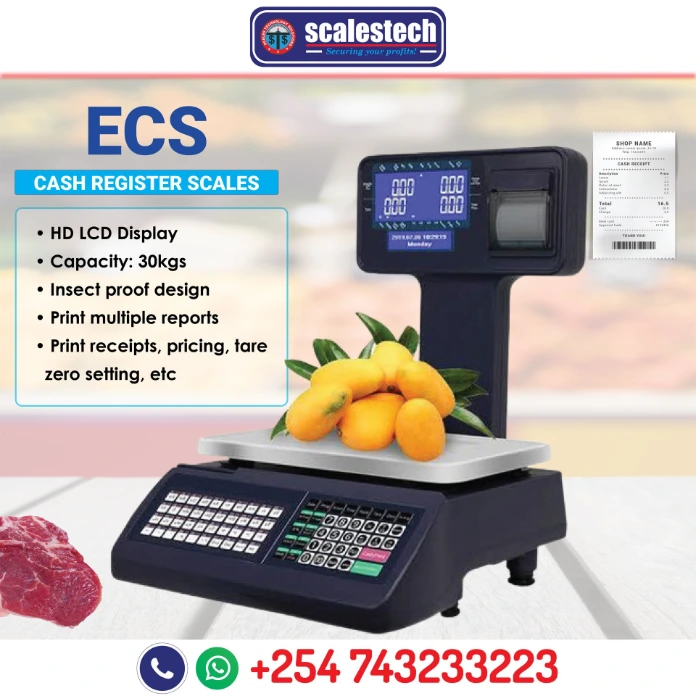
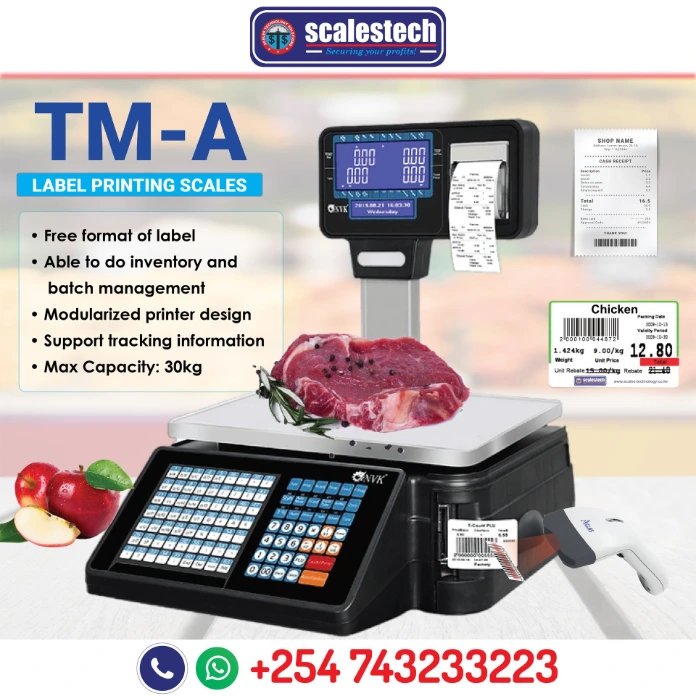
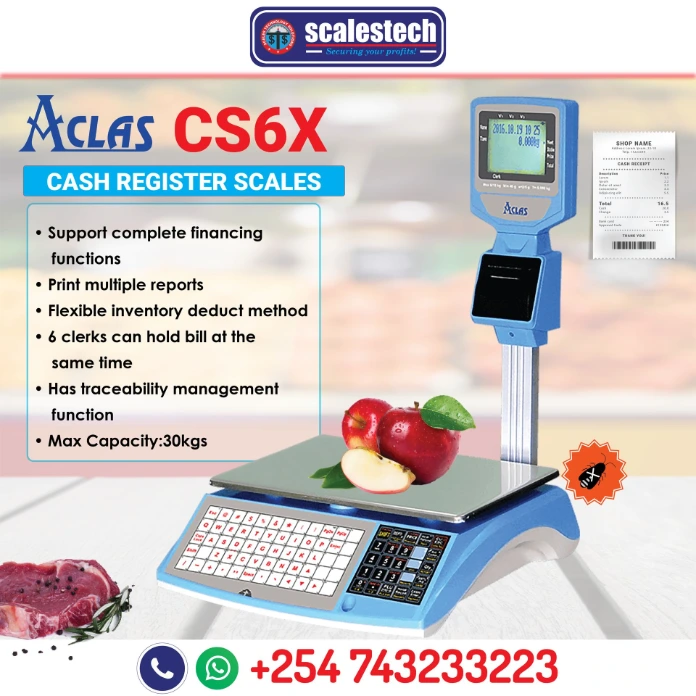
Some businesses benefit from weighing, price calculation, and receipt printing in one device.
Receipt-printing scales combine these functions to help operators weigh products, calculate the total, and provide a printed transaction record. Depending on the model and configuration, the device may also support additional cash-register or connectivity functions.
These solutions can be useful for butcheries, grocery counters, and other retail environments where weighed products are sold directly to customers.
The appropriate model depends on the transaction process, printing requirements, product range, and whether the business needs integration with a separate POS or back-office system.
AI-Assisted Weighing Solutions
Retail weighing technology is also evolving to support more streamlined fresh-food operations.
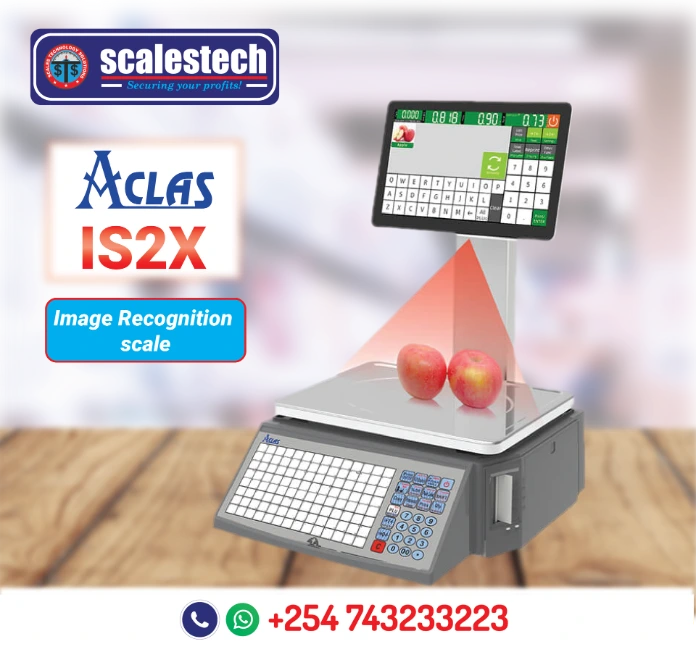
Scalestech's retail catalogue includes AI-assisted options such as the Aclas iS2X AI label scale and iR6X AI cash-register scale.
Depending on the model and configuration, AI-assisted weighing solutions can support product recognition and weighing workflows. They may be worth considering for retailers seeking to modernise fresh-food counters, particularly where staff handle a wide range of products.
The right choice should be based on the retailer's product range, operating procedures, required functionality, and integration needs.
2. FreshMarket POS: Retail Management for Everyday Business
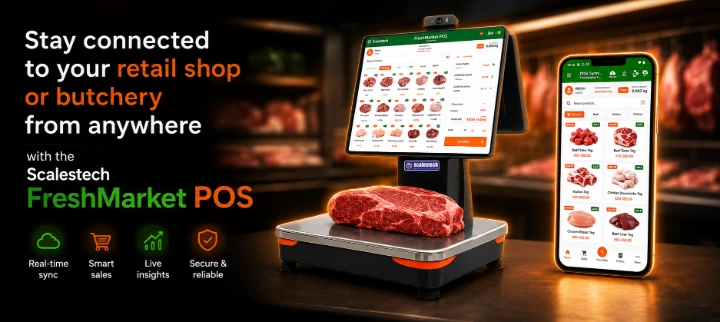
A weighing scale helps a retailer measure products accurately, but a growing business may also need a better way to manage sales, stock, payments and daily reporting.
This is where a point-of-sale system becomes valuable.
FreshMarket POS by Scalestech is a retail POS solution designed to help businesses manage sales and day-to-day retail operations.
Instead of relying entirely on handwritten records or disconnected processes, retailers can use a suitable POS system to organise transactions and access business information more efficiently.
What Can a Retail POS System Help You Manage?
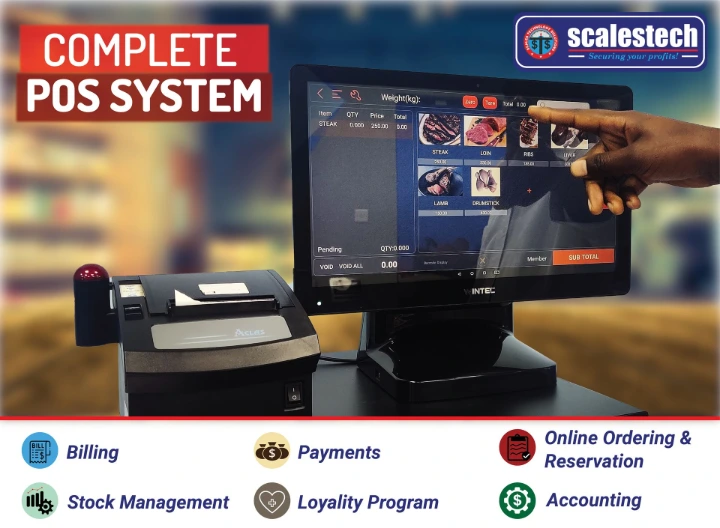
Depending on the selected configuration and features, a retail POS system can support:
Sales processing: Record transactions and generate sales receipts.
Inventory management: Track stock levels and record stock movement through supported workflows.
Product and pricing management: Maintain product information and selling prices.
Sales reporting: Review transaction records and sales performance to support business decisions.
Payment processing: Support available payment methods, including M-Pesa where configured.
Multi-branch operations: Help businesses operating across multiple locations manage their retail activities, depending on the system setup.
For a retailer, these functions can make it easier to understand what is selling, what needs replenishing, and where operational attention is required.
Why Inventory Management Matters

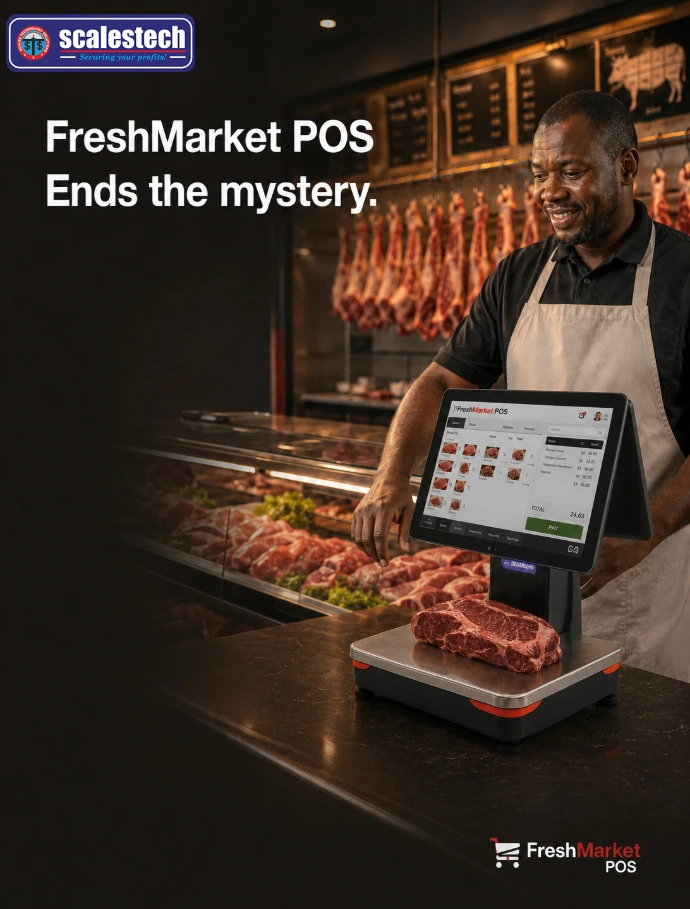

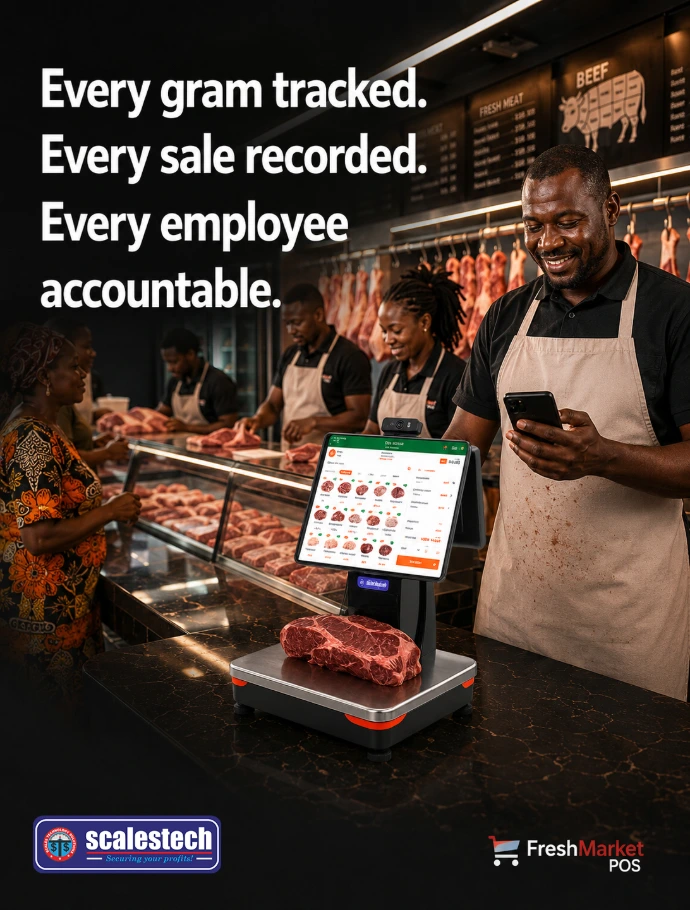

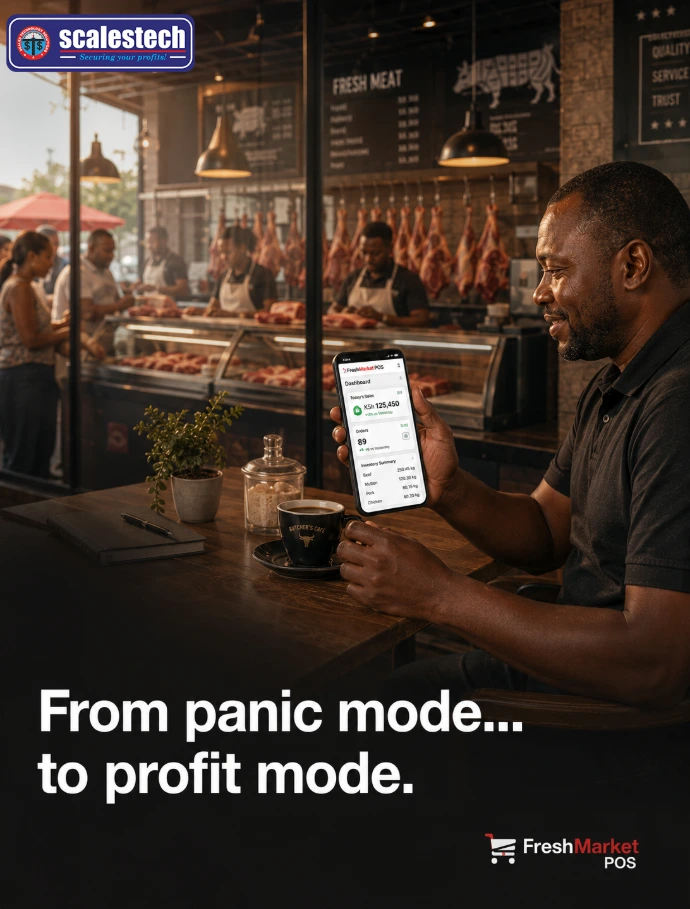
Stock management is one of the everyday challenges facing retail businesses.
Overstocking can tie up working capital, while stockouts can result in missed sales and dissatisfied customers. Inaccurate records can also make it difficult to determine whether stock discrepancies are caused by recording errors, damaged goods, wastage or other operational issues.
A POS system with inventory-management functionality can help retailers maintain more organised records and make replenishment decisions using available sales and stock information.
For example, a minimart can review the movement of fast-selling household products, while a cereal shop can use its records to help monitor stock and purchasing needs.
A pharmacy can benefit from organised product records, although specialised pharmacy requirements, including batch and expiry tracking, should be confirmed before selecting a system.
Technology cannot eliminate every stock-management problem, but better records give business owners a clearer basis for action.
3. Retail Solutions for Different Types of Businesses
Not every retailer needs the same combination of equipment. The most useful setup depends on what the business sells, how products are priced, and how customers make purchases.
Supermarkets and Large Retail Stores
Supermarkets handle multiple product categories, high transaction volumes, and different checkout requirements.
Fresh-food sections may need barcode label-printing scales, while checkout points need suitable POS terminals and peripherals. Back-office teams may also need inventory visibility and sales reporting.
Scalestech provides retail weighing equipment and POS hardware options that can support these requirements. Where the selected equipment and software are compatible, integration can help reduce repeated data entry and improve consistency between weighing, pricing and checkout.
For larger retailers, planning should also consider centralised product and price management, branch requirements, staff training and after-sales support.
Minimarts, Convenience Stores and Dukas
Smaller retail businesses often need practical technology that is straightforward to use and appropriate for their budget and transaction volume.
A minimart selling packaged goods, drinks, household items and a selection of weighed products may benefit from a POS system for sales and stock management, alongside a price-computing scale for products sold by weight.
FreshMarket POS is worth exploring for businesses looking for a retail system to support everyday sales operations.
The objective is to simplify transactions, improve record-keeping, and give the owner better visibility into daily business activity without adding unnecessary complexity.
Cereal, Grain and Grocery Shops
Cereal shops and grocery outlets frequently sell rice, beans, lentils, maize, and other products by weight.
A suitable price-computing scale can calculate the cost of each purchase based on the weight and unit price. A POS system can complement this process by helping the business record sales and manage other products.
For businesses that handle both loose and packaged goods, combining appropriate weighing equipment with retail software can help create a more organised sales process.
Butcheries and Meat Shops
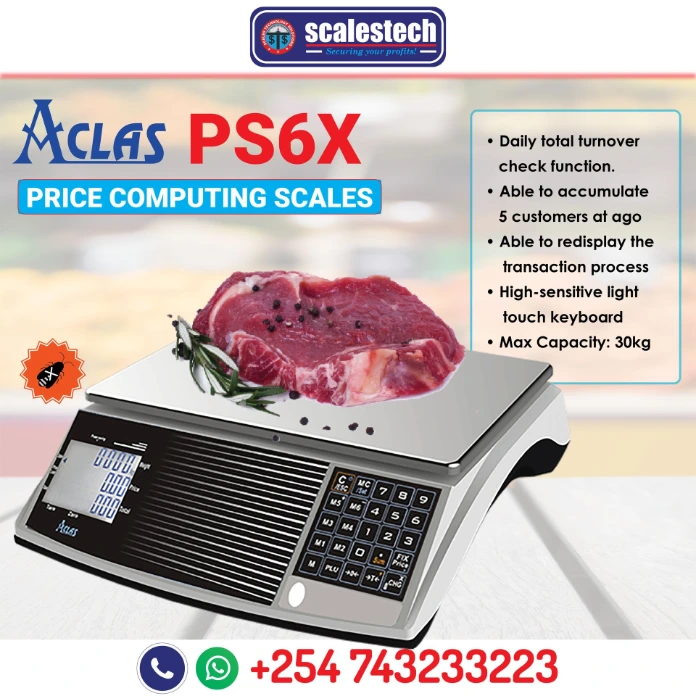
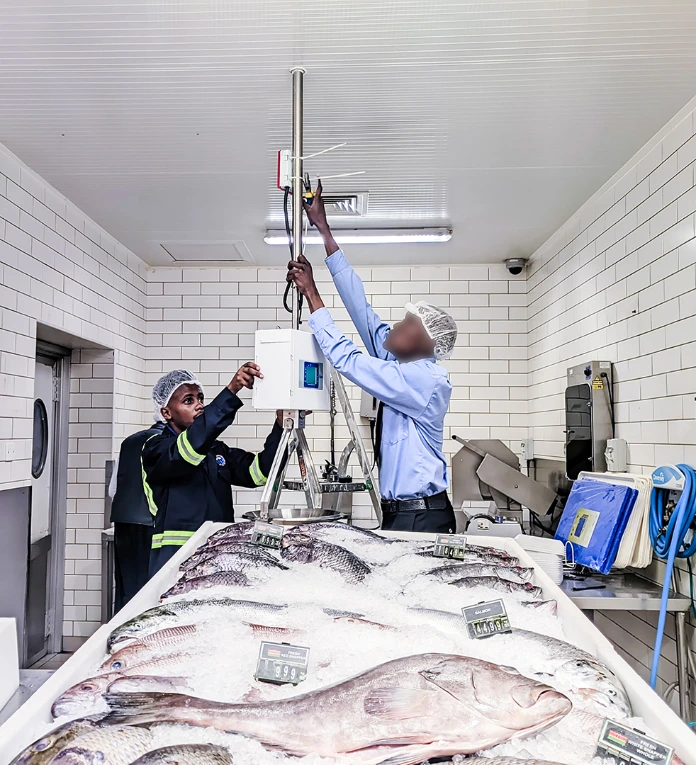
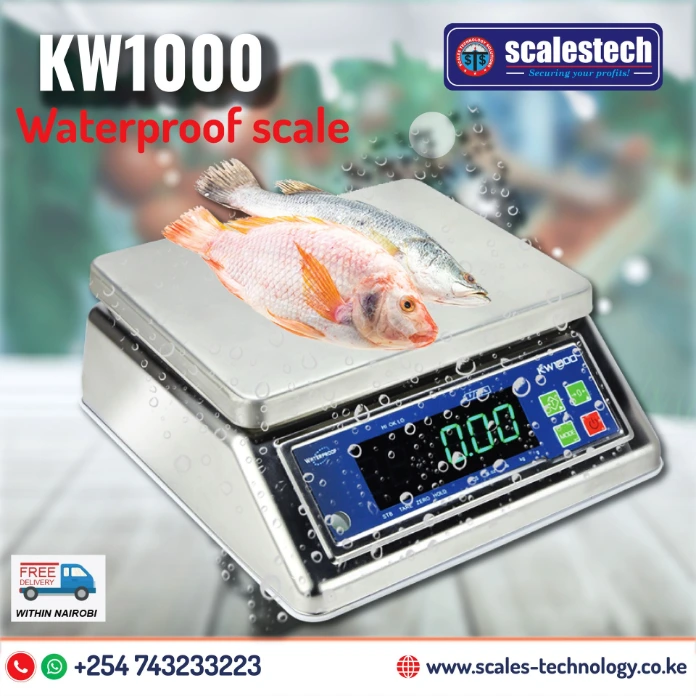
Accurate weighing is particularly important in butcheries because the selling price depends on the weight of the meat sold.
A price-computing scale helps calculate the amount payable, while a suitable receipt-printing or POS setup can support transaction recording.
For butcheries preparing pre-packed meat, a compatible label-printing scale may also be appropriate.
When choosing equipment for a butchery, consider platform size, capacity, readability, ease of cleaning, operating conditions and the applicable trade-verification requirements.
Scalestech offers weighing options for retail counters and can help businesses identify a configuration suited to their needs.
Pharmacies and Health Retailers
Pharmacies need organised sales processes and reliable product records. A retail POS system can support sales recording, product pricing and inventory management, depending on the available configuration.
However, pharmacy operations may also require specialised capabilities for batch numbers, expiry dates, prescription workflows and regulatory reporting.
Before adopting a system, pharmacy owners should confirm that it supports the specific functions their business requires. A general retail POS should not automatically be assumed to replace dedicated pharmacy-management software.
Hardware Stores and Building-Supply Retailers
Hardware businesses may manage thousands of product variations, including tools, fittings, electrical supplies, plumbing products, paints and building materials.
A POS system with suitable product management, pricing, inventory and reporting features can help staff process sales and maintain more organised records.
Some hardware businesses also handle products sold by weight or need weighing equipment for particular operational processes. In those cases, the scale should be selected according to the product, capacity and intended use.
The key is to build a solution around the store's actual workflow rather than purchase equipment simply because it is available.
Wholesale and Distribution Businesses
Wholesalers often handle larger quantities, repeat customer orders and more complex stock movements than small retail outlets.
A suitable POS or business-management setup can help organise sales transactions, product records and reporting. Depending on the operation, additional weighing equipment may be needed for bulk goods or receiving processes.
Businesses with multiple branches or warehouses should consider how their software handles shared product information, stock transfers, reporting and user access before making a purchasing decision.
4. How Weighing Scales and POS Systems Work Together
One of the most important considerations when choosing retail technology is how different devices and software interact.
A weighing scale and a POS system can perform complementary roles, but integration depends on the specific hardware, software, supported interfaces and configuration.
Consider a supermarket selling loose fruit.
The product is placed on a compatible weighing scale.
The scale determines the weight and calculates the price, or prints a product label, depending on the model.
A barcode label can be scanned at a compatible checkout.
The POS processes the sale using the relevant product and price information.
The transaction is recorded in the retail system, where supported reporting and inventory functions can use that information.
This workflow can reduce the need for staff to enter weights or prices manually at multiple stages.
For a business selling both weighed and packaged products, the combination of appropriate scales and POS software can support a more consistent process across the store.
Before purchasing, retailers should confirm compatibility, barcode format, product-code configuration, and the required integration with their chosen POS or ERP system.
5. A Real Retail Example: Scalestech's Carrefour Kenya Project
Retail technology is most meaningful when it addresses the demands of an actual store.
Scalestech's Carrefour Kenya label-printing scale case study documents the installation of Aclas LS2X barcode label-printing scales across all Carrefour locations: All the branches in Nairobi, Kiambu, Murang'a, and Mombasa
The project covered fresh produce, butchery, deli, bakery, and seafood departments.
According to the case study, the scope included site assessment, installation, POS/ERP integration, label configuration, staff training, testing, calibration, and ongoing service support.
Why does this matter to other retailers?
First, it illustrates that a supermarket weighing solution involves more than choosing a scale. The equipment must fit the working environment, produce the required labels and work with the store's systems.
Second, installation and staff training matter. Even suitable technology needs to be configured correctly and understood by the people using it.
Finally, after-sales support is part of the overall investment. Retail equipment needs to remain suitable for the demands of daily business, and retailers should consider servicing and calibration when planning their purchase.
Although a small shop may not need the same setup as a supermarket chain, the underlying principle remains the same: choose technology that fits the business, and plan for how it will work in everyday operations.
6. Accuracy, Compliance and After-Sales Support
When buying a retail weighing scale in Kenya, price should not be the only consideration.
Weighing instruments used for commercial transactions must meet the applicable legal metrology requirements. Retailers should confirm that the instrument is approved and verified for its intended trade use, and that the necessary inspection, stamping or verification requirements have been met.
Calibration and legal verification serve related but different purposes. Calibration assesses measurement performance against appropriate standards, while legal verification determines whether an instrument meets the requirements for its regulated use.
Retailers should also consider:
Whether the scale is suitable for the product and environment.
Whether the capacity and readability meet the application.
Whether the equipment can be serviced locally.
What warranty and technical support are available.
Whether the scale needs to integrate with POS or ERP software.
Whether staff training and maintenance are available.
Scalestech's offering includes retail weighing equipment, calibration services and technical support. The appropriate service and compliance arrangements depend on the instrument and its application.
Investing in suitable equipment and maintaining it properly can help businesses support consistent weighing practices and reliable daily operations.
7. How to Choose the Right Retail Solution for Your Business
Before purchasing weighing scales or POS software, consider the following questions.
What products do you sell?
A shop selling packaged goods may primarily need POS software, while a cereal shop or butchery will also need a scale suited to products sold by weight.
How many transactions do you process?
A busy supermarket may need several checkout points and dedicated label-printing scales. A small minimart may require a simpler configuration.
Do you sell products by weight?
If so, decide whether you need price computation, receipt printing, barcode label printing or a combination of these functions.
How do you manage stock?
If inventory records are currently manual or difficult to maintain, look for POS software with inventory functionality that matches your workflow.
Do you operate multiple branches?
Businesses with several locations should assess how the system manages product data, stock visibility, reporting, and branch-level access.
What payment methods do your customers use?
Confirm support for the payment methods you need, including M-Pesa where applicable.
What support will you need after installation?
Ask about configuration, staff training, maintenance, repairs, calibration and software support before making your decision.
Answering these questions will help you select a practical solution without paying for features your business does not need.
8. Why Consider Scalestech for Retail Weighing and POS Solutions?
Retail technology works best when the equipment, software, and support are considered together.
Scalestech provides weighing equipment and POS solutions for different business applications, helping retailers explore options suited to their products, operating processes, and growth plans.
Our retail offering includes:
Price-computing weighing scales.
Barcode label-printing scales.
Receipt-printing and cash-register scales.
AI-assisted retail weighing options.
POS terminals and related hardware.
FreshMarket POS retail software.
Weighing equipment installation, calibration and technical support.
Whether you are equipping a supermarket fresh-food counter, setting up a new butchery, upgrading a minimart, or improving sales and stock management in a grocery shop, the starting point is understanding what your business needs.
We can help you explore the relevant equipment and software options and determine which configuration is appropriate for your operation.
Find the Right Retail Solution for Your Business
From accurate weighing and professional product labelling to POS software and inventory management, the right technology can help make everyday retail operations more organised and efficient.
At Scalestech, we believe the best solution starts with understanding your business. Whether you run a supermarket, minimart, cereal shop, butchery, pharmacy, hardware store, grocery shop, or wholesale outlet, our team can help you explore the weighing and POS options suited to your needs.
Looking for retail weighing scales or a POS system in Kenya?
Explore our retail weighing scales, discover FreshMarket POS or contact the Scalestech team to discuss your business requirements.
Scalestech — weighing technology and retail solutions designed around your business.