Weighbridge Automation at East African Portland Cement, Athi River
Project Overview
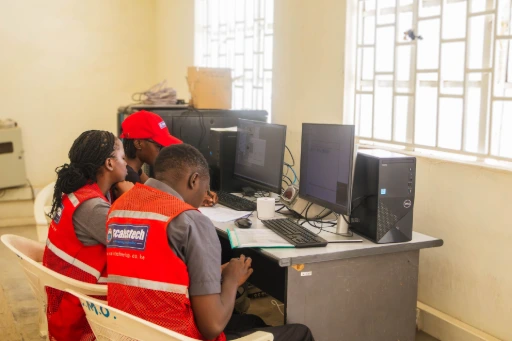
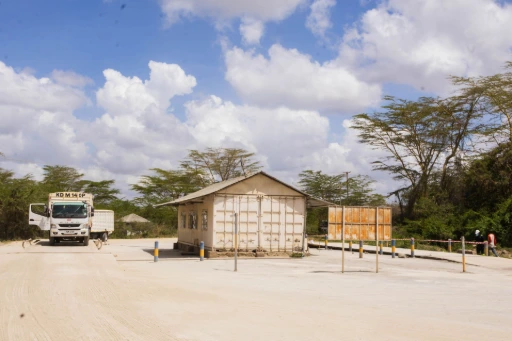
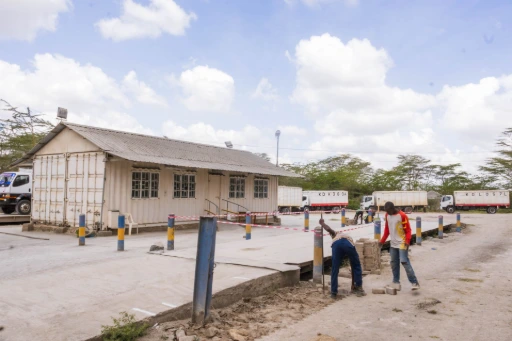
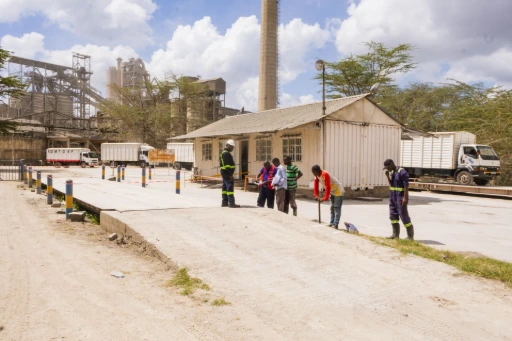
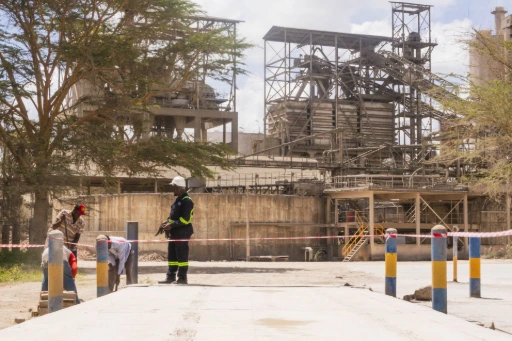
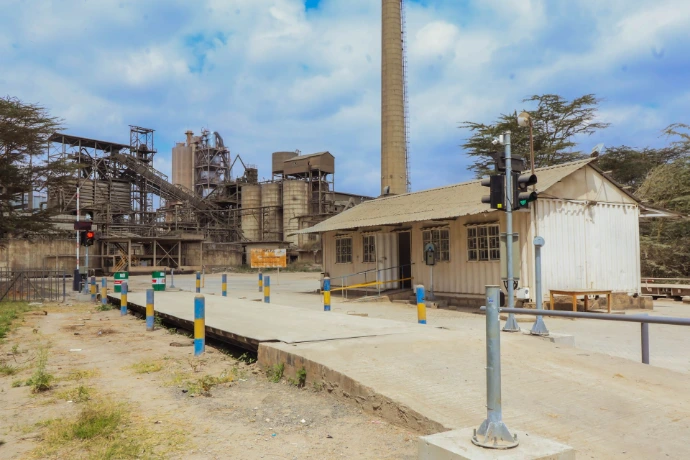
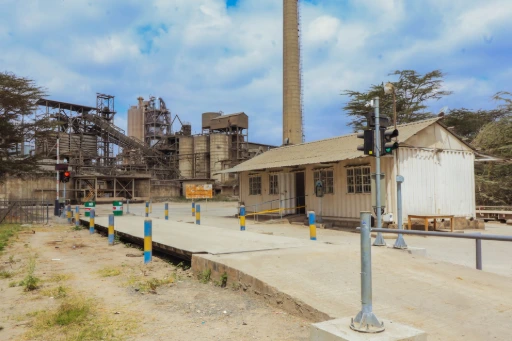
Scalestech undertook the automation of the weighbridge system at East African Portland Cement PLC (EAPCC), Athi River — one of Kenya's oldest and largest cement manufacturers, in operation since 1958 and listed on the Nairobi Securities Exchange under the ticker PORT. The project converted a conventional, operator-managed 5 truck scaleS into a fully unmanned and automated weighing solution, covering both inbound raw-material deliveries (limestone, gypsum, pozzolana) and outbound dispatch of Ordinary Portland Cement, Pozzolanic Portland Cement and Green Triangle Cement.
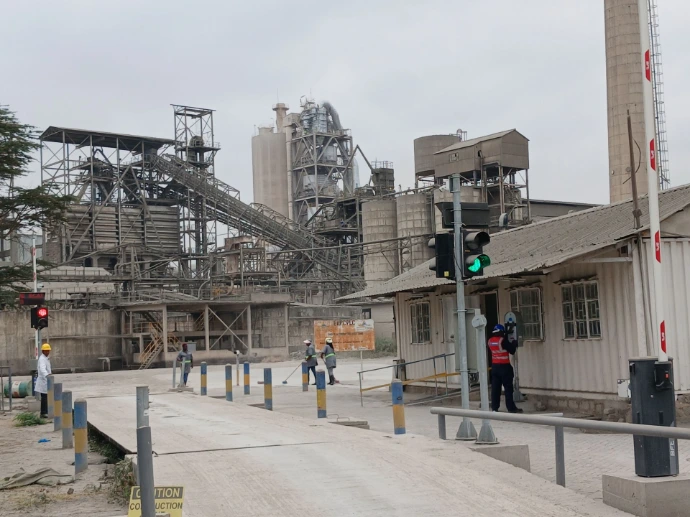
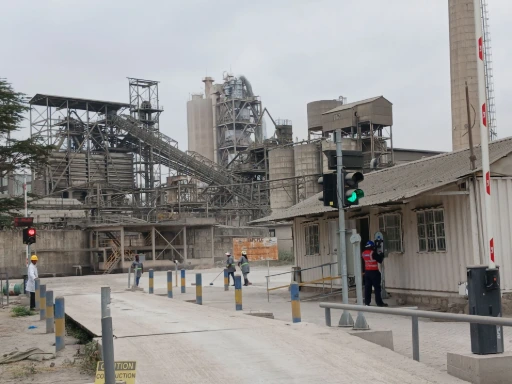
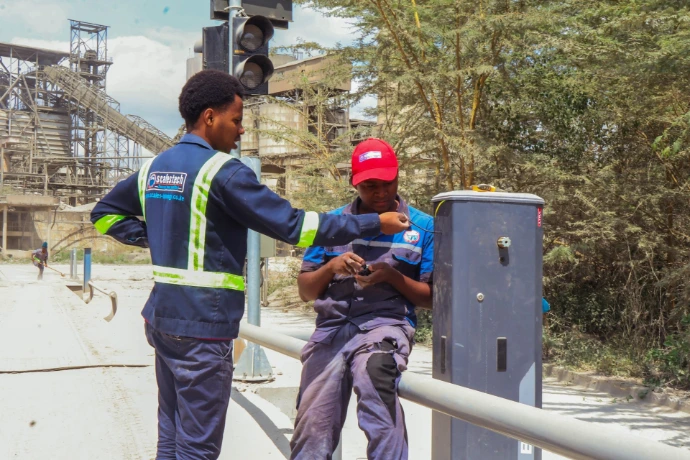
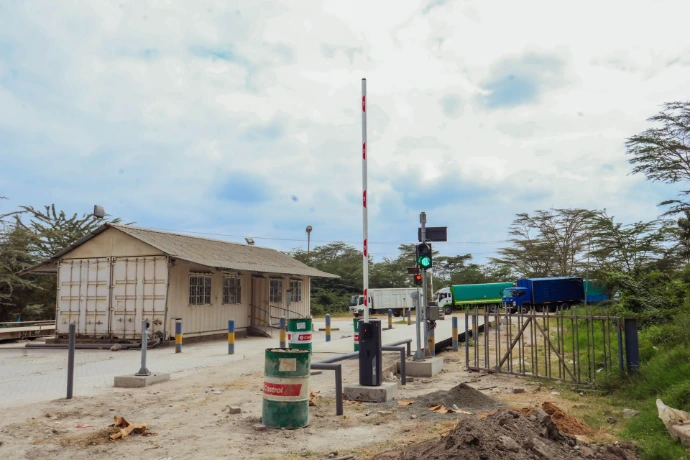
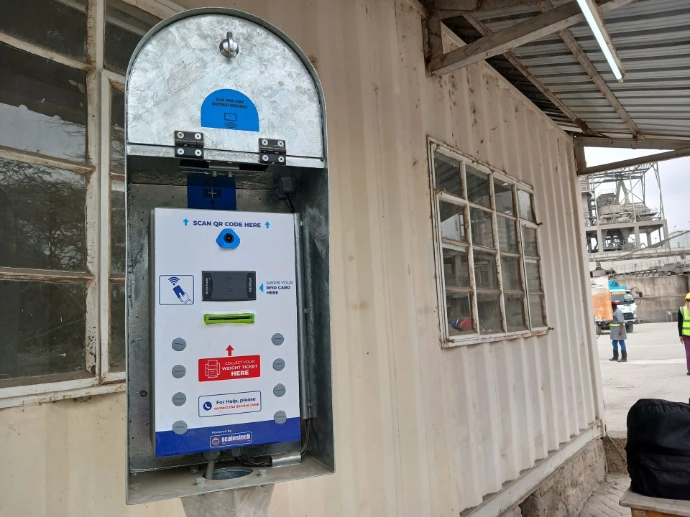
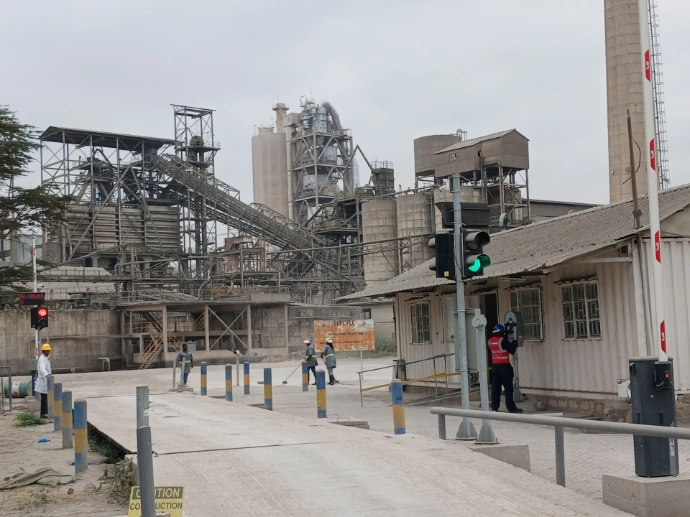
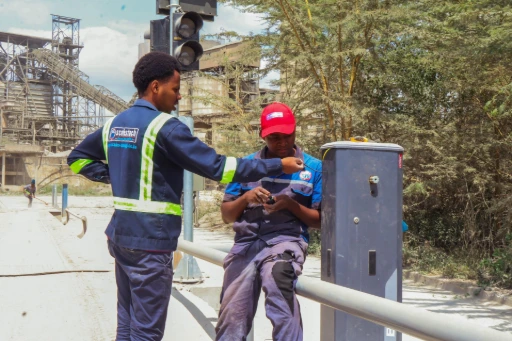
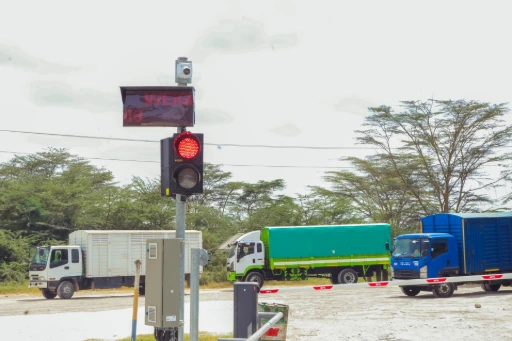
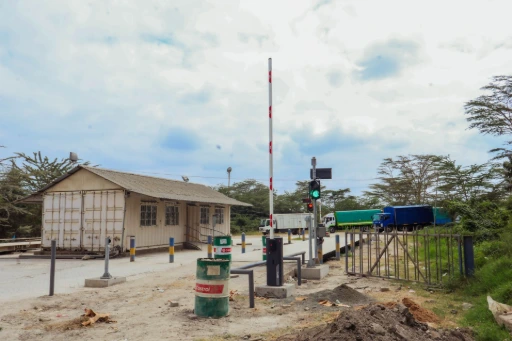
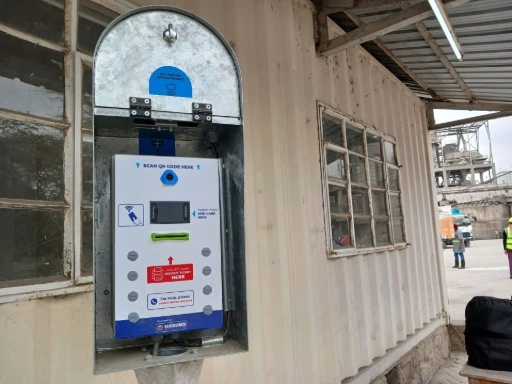
The scope brought together six integrated systems: automated vehicle barriers, ANPR and surveillance cameras, a traffic light control system, vehicle position sensors, weighbridge automation software, and a real-time monitoring and reporting layer. Once commissioned, the system removed the need for a weighbridge operator to be physically present for every transaction, while improving weighing accuracy, tightening security, and giving EAPC's logistics and finance teams complete, auditable control over every vehicle movement in and out of the plant.
Project Start
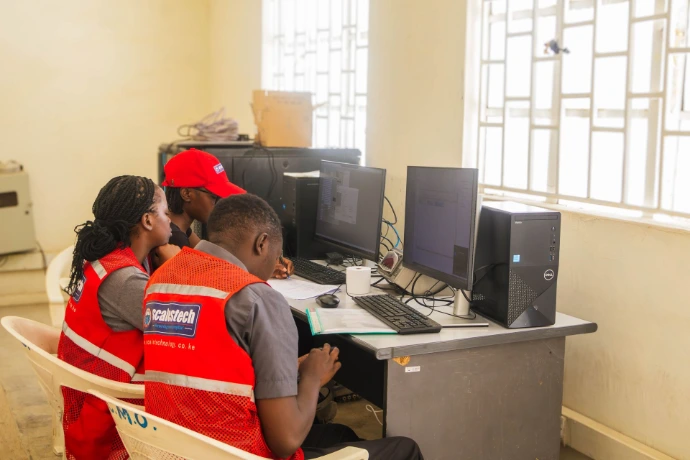
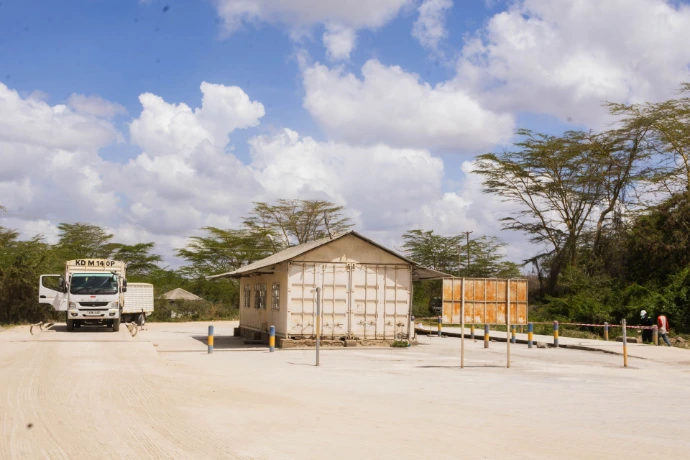
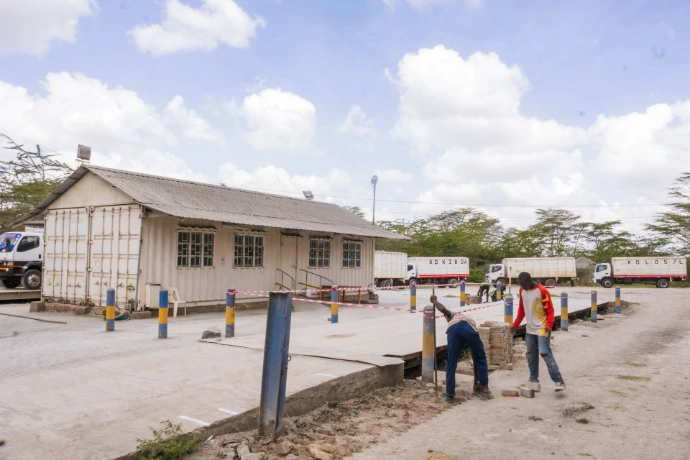
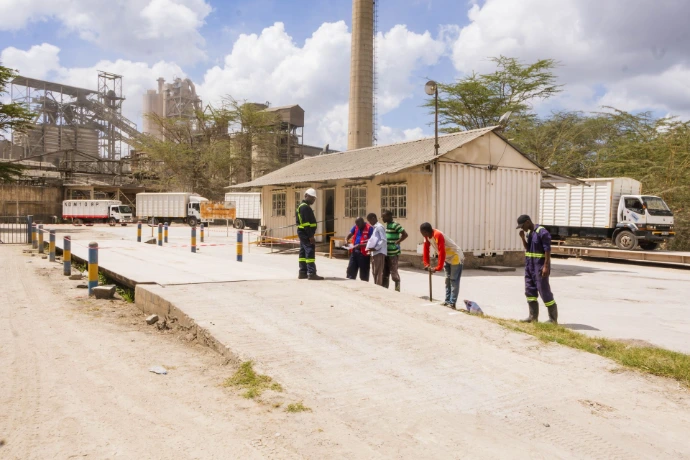
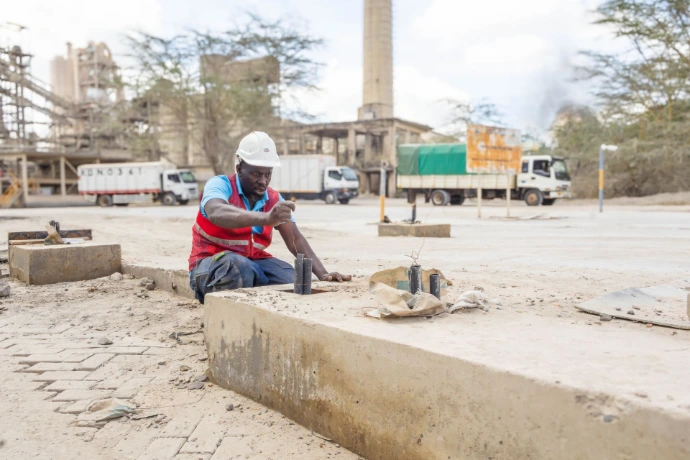
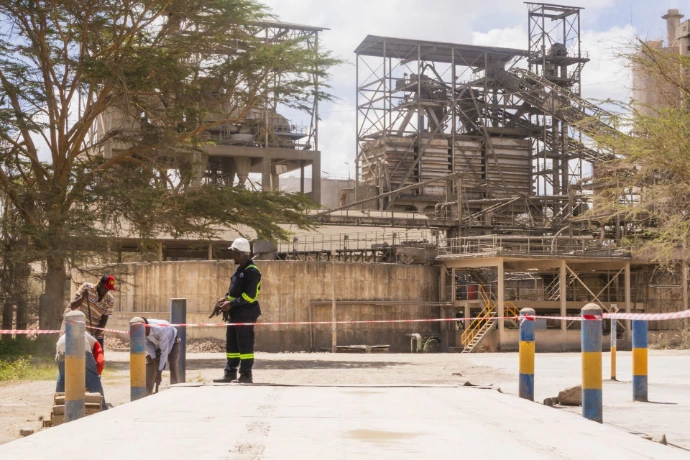

Project Completion
This kind of upgrade was not unique to EAPC. Cement, grain, mining and beverage plants across Kenya & East Africa were moving away from manned weighbridges for the same three reasons: labour cost, weighing disputes, and the difficulty of running 24-hour gate operations with a single operator per shift.
The Challenge: Manual Weighing at a High-Volume Cement Plant
Athi River is a high-throughput industrial corridor. Trucks queue to deliver limestone and gypsum from quarry sites, and to collect bagged and bulk cement for distribution across Nairobi, Machakos, Mombasa and onward into the regional export corridor. A manually operated weighbridge at this volume creates predictable friction: drivers wait for an operator to record vehicle details by hand, tare and gross weights are captured and re-keyed rather than transferred automatically, and every shift change introduces a small risk of miscommunication or missed weighing events.
These pressures compound during peak dispatch periods. When outbound cement orders spike — typically around month-end and during the dry-season construction push across Nairobi and the wider East African Community — a manned weighbridge with a single lane and a single operator becomes the tightest constraint in the entire logistics chain, ahead of loading bay capacity or fleet availability. Trucks queue on the access road rather than inside the plant, which creates its own knock-on problems for site security and for neighbouring road users on Namanga Road.
Bottlenecks Before Automation
Three problems recur on manned truck scales in this sector. First, throughput is capped by operator speed — a single weighbridge attendant can typically process a limited number of vehicles per hour, and that ceiling does not move even when truck volumes spike around month-end dispatch or quarry delivery schedules. Second, data integrity is fragile: paper tickets, handwritten logs and manual re-entry into ERP or accounting systems are all points where a transposed digit or an unrecorded transaction can distort inventory, billing and production reconciliation. Third, weighbridges without vehicle recognition and camera evidence are exposed to disputes over vehicle identity, load tampering, or axle repositioning between the tare and gross weighing legs of a journey — disputes that are expensive and slow to resolve without a photographic and data record.
A fourth, less obvious cost is staffing risk. A manned weighbridge depends on an operator being present, alert and consistent across every shift, every day of the year. Leave, illness, and shift handover gaps all create windows where either the gate runs without proper supervision or trucks queue until a replacement is available. None of these are failures of any individual operator — they are structural limitations of a process that puts a single person at the centre of every transaction on the busiest gate on site.
Manned vs Unmanned: What Actually Changes
It is worth being precise about what automation changes and what it does not. The weighbridge itself — the deck, the load cells, the structural foundation — does not need to change; EAPC's existing scale infrastructure is retained. What changes is everything around the weighing event: how a vehicle is identified, how it is guided through the process, how the reading is validated, and how the resulting data reaches the people who need it. In effect, automation replaces the operator's manual tasks — reading a plate, opening a gate, writing down a number, filing a ticket — with hardware and software that perform the same tasks faster, more consistently, and with a permanent audit trail. The operator role does not disappear so much as shift from hands-on processing to remote exception handling: stepping in only when the system flags an unrecognised vehicle, a sensor fault, or a reading outside expected tolerances.
The Solution: A Fully Unmanned Weighbridge Automation System
Scalestech's automation package for EAPC integrates hardware and software into a single unattended workflow, closely mirroring the architecture used on the company's ESIT SPWIN weighbridge automation platform already deployed on other Kenyan sites. Each component plays a specific role in removing the operator from the routine transaction while keeping a full audit trail.
Automated Vehicle Barriers
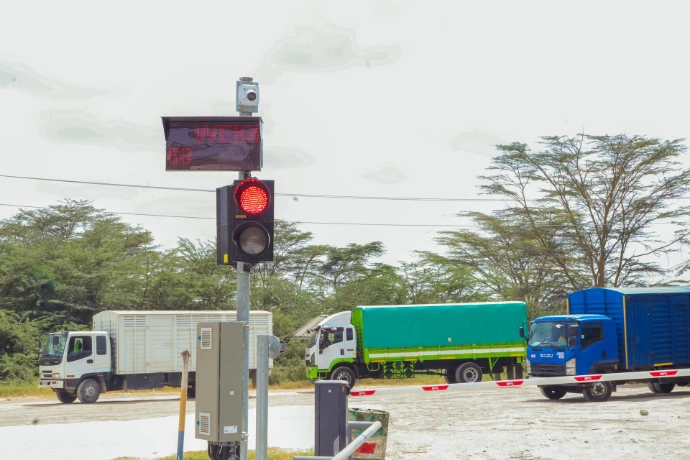
Bidirectional boom barriers physically control entry to and exit from the weighbridge platform. A vehicle cannot proceed onto the scale, or leave it, until the system has validated the transaction — closing off the two most common ways a manual gate can be bypassed: a truck driving past an unattended barrier, or leaving before the weighing sequence has completed.
ANPR & Surveillance Cameras
Automatic Number Plate Recognition (ANPR) cameras read each vehicle's registration plate on approach and match it automatically against the transaction on file — a purchase order, a delivery note, or a pre-registered hauler account — without a driver needing to present paperwork at a window. High-definition CCTV supplements ANPR by capturing front, rear and top-down images of every vehicle during weighing, timestamped and stored alongside the weight record, so that any dispute over vehicle condition, load height or number of axles can be resolved from the photographic evidence rather than from memory.
Traffic Light Control System
Red/green signals guide the driver through the sequence — stop, proceed onto the platform, wait for weighing, proceed to exit — removing any ambiguity about when it is safe or permitted to move. This is particularly important on a site like EAPC where multiple vehicle types (bulk tankers, flatbeds, bagging trucks) share the same weighing lane.
Vehicle Position Sensors
Position sensors confirm that a vehicle is correctly and fully positioned on the weighbridge platform before a reading is accepted. This prevents two common sources of weighing error: a vehicle that is only partially on the deck, and axle-straddling, where part of the load rests off the platform and produces an artificially low reading — a known method of under-declaring load weight on unmonitored scales.
Weighbridge Automation Software (ESIT SPWinPRO)
The ESIT SPWinPRO platform is the control layer that ties every device together. It runs the weighing sequence without an operator, applies plate-recognition and pre-registered vehicle data to each transaction, and generates a digital ticket automatically. Because SPWinPRO supports both web-server (XML over HTTP) and direct SQL database integration, EAPC's transaction data can flow directly into its ERP and accounting systems rather than being re-keyed — closing the manual data-entry gap identified as one of the plant's biggest sources of reconciliation error.
Real-Time Monitoring & Reporting
Every weighing event — vehicle ID, tare weight, gross weight, net weight, timestamp, and associated camera images — is logged centrally and available for reporting in real time, whether that report is pulled from the weighbridge's local network or accessed remotely from EAPC's head office. This gives plant management, logistics and finance teams a single, always-current source of truth for inbound raw-material intake and outbound cement dispatch, instead of waiting for shift-end paper reconciliation.
Results and Operational Benefits
Accuracy and Fraud Prevention
Removing manual data entry and adding position-sensor validation closes two of the most common accuracy gaps on a conventional weighbridge: transcription error and axle-straddling. Camera-backed records also mean weight disputes — a recurring cost in bulk cement and raw-material logistics — can be resolved from photographic and data evidence rather than relying on an operator's recollection.
For a listed manufacturer like EAPC, this matters beyond day-to-day operations. Weighbridge records feed directly into production reconciliation (how much raw material actually entered the plant against what was ordered and invoiced) and into dispatch billing (how much cement actually left the gate against what was invoiced to a distributor). Small, repeated inaccuracies at the weighbridge compound into material reconciliation and revenue-assurance issues at scale — which is precisely the kind of operational risk an automated, camera-verified system is designed to close.
Turnaround Time and Throughput
Automated ANPR recognition, barrier control and digital ticketing eliminate the queuing time created by manual vehicle registration and paper processing. For a plant the size of EAPC, where truck volumes spike around delivery and dispatch schedules, this directly reduces the yard congestion that manual weighbridges are prone to during peak periods.
Faster, more predictable turnaround also benefits the transporters and haulers who serve EAPC — many of whom are paid per trip or per tonne moved. A weighbridge that processes vehicles quickly and consistently, day or night, is a meaningful operational advantage when EAPC is competing for reliable haulage capacity against other bulk shippers in the same Athi River–Nairobi corridor.
Security, Compliance and Traceability
Every vehicle movement through the gate is logged, timestamped and photographed, giving EAPC a full audit trail for both security incidents and regulatory reporting. This traceability also supports compliance obligations under Kenya's vehicle load control framework, discussed in the next section, since every gross weight and axle-relevant transaction is captured automatically rather than depending on a manual log.
The same audit trail is useful internally for loss prevention. Because ANPR and camera records tie a specific vehicle, driver and timestamp to every weighing event, any pattern of irregular activity — repeated near-identical weights from different plates, for example, or vehicles that enter without a corresponding dispatch or delivery order — becomes visible in the data rather than depending on an alert operator noticing it in the moment.
Why Weighbridge Automation Matters for Kenya's Cement and Manufacturing Sector
Weighbridges in Kenya do more than support a single company's logistics — they sit inside a national and regional legal framework designed to protect road infrastructure and ensure fair trade in bulk goods. Understanding that framework is part of why automation is becoming standard, not optional, at high-volume industrial sites.
The Regulatory Backdrop: Traffic Act, Weights & Measures Act and Axle Load Control
Vehicle weighing in Kenya is governed primarily by the Traffic Act (Cap. 403), which sets permissible axle loads and gross vehicle mass limits, and the Kenya Roads (Kenya National Highways Authority) Regulations, which make it an offence to fail to submit a vehicle for weighing when directed by an authorised officer. The East Africa Vehicle Load Control Act extends this regionally, requiring any vehicle over 3,500 kg to be weighed at a weighbridge, with penalties for operators who bypass weighing stations. Separately, the Weights and Measures Act (Cap. 513) governs the accuracy and calibration of the measuring equipment itself — the standard Scalestech's own calibration services are built around, using KENAS-accredited, ISO/IEC 17025-aligned methods traceable to OIML recommendations.
For a plant like EAPC, this means every automated weighbridge transaction is also, implicitly, a compliance record. A system that captures accurate, timestamped, photographically verified weight data does more than speed up logistics — it produces the documentation a company needs to demonstrate axle-load and gross-vehicle-mass compliance if a KeNHA or NTSA weighbridge check is ever queried against its own gate records.
Regional Industrial Growth Context
Cement demand across Kenya and the wider East African Community continues to be driven by infrastructure and housing programmes in Nairobi, Mombasa, Kisumu and secondary urban centres, as well as cross-border construction activity reaching into Uganda, Tanzania and Rwanda. As bulk manufacturers scale dispatch volumes to meet that demand, the operational case for automating the weighbridge — the single busiest transactional point at any quarry, cement plant or bulk logistics yard — becomes correspondingly stronger.
This is not limited to cement. The same pressure is visible across mining and aggregates, grain and milling, and beverage bottling — sectors where Scalestech has already delivered weighing automation projects in Kenya, including bulk weighbridge installations at Mai Mahiu and for Rift Grain Logistics in Eldoret, and weighing-tank automation for industrial gas producer Carbacid. EAPC's weighbridge automation project sits within this same regional trend: as East African manufacturers grow dispatch volumes, the weighbridge is increasingly treated as a control point worth investing in, not just a compliance formality.
Installation, Calibration and Ongoing Support
An automated weighbridge is only as reliable as the calibration behind it. Scalestech's approach to the EAPC project pairs the automation build — barriers, cameras, sensors, traffic lights and SPWinPRO software — with the same calibration discipline applied to every weighbridge the company services, so that automation improves consistency of process without weakening the underlying accuracy of the scale.
Practically, this means the weighbridge deck and load cells are calibrated and verified before automation hardware is commissioned, and remain on Scalestech's regular calibration schedule afterwards, consistent with the requirements of Kenya's Weights and Measures Act (Cap. 513). Automation adds monitoring on top of this baseline — because every transaction is logged automatically, drift or inconsistency in readings over time is easier to detect early than it would be from an intermittent manual log, giving both EAPC and Scalestech's service team an earlier signal that a recalibration or hardware check is due.
Post-installation, ongoing support covers both the mechanical components (barriers, sensors, cameras) and the software layer (SPWinPRO configuration, ERP integration, reporting). Because the system is unattended by design, remote diagnostics and a clear escalation path for hardware faults are part of the support model — a barrier or camera fault on an unmanned gate has a more immediate operational impact than the same fault would on a manned gate, where an operator could temporarily revert to manual processing.
Weighbridge Automation Across East Africa
While the EAPC project is based in Athi River, Scalestech designs and supports weighbridge automation systems for manufacturing, cement, mining, agricultural and logistics operators across Kenya's primary industrial centres — Nairobi, Mombasa, Kisumu, Nakuru, Eldoret and Thika — and for cross-border clients in Kampala (Uganda), Dar es Salaam and Arusha (Tanzania), Kigali (Rwanda), Lusaka (Zambia) and Khartoum (Sudan). The same ANPR, barrier, traffic-light and SPWinPRO software architecture deployed at EAPC can be specified for a new weighbridge installation or retrofitted onto an existing manual scale, regardless of the manufacturer of the underlying platform.
Regional clients typically fall into one of two categories: manufacturers and quarry or mining operators who need a new weighbridge built with automation included from the outset, and existing weighbridge owners — often running scales from a range of manufacturers — who want to retrofit ANPR, barriers and software onto infrastructure that is already structurally sound. Scalestech's calibration and installation teams support both paths across the East and Central Africa markets it serves, with the same emphasis on accredited calibration and ERP-ready reporting applied at EAPC.
About Scalestech's Weighbridge Automation Expertise
Scalestech is a Kenya-based supplier, installer and calibrator of weighing scales, weighbridges and point-of-sale hardware and software, serving retail, agriculture, manufacturing, mining, food and beverage, and transport and logistics clients across East and Central Africa. The company's weighbridge portfolio spans static, portable and axle weighbridges, and its automation work — including the EAPC project documented here — is built on the ESIT SPWinPRO platform, integrating ANPR, RFID, traffic control and ERP-ready reporting into a single unattended system.
Beyond weighbridges, Scalestech supplies and supports weighing and point-of-sale brands including Aclas, ESIT, T-Scale, KELI, Zemic, WANT and Beryl, alongside its own house-brand equipment, giving the company cross-brand expertise in integrating automation hardware with whatever indicator, load cell or POS platform a client already has installed. This matters for a retrofit project in particular, since not every site is starting from the same base equipment.
Scalestech's calibration division supports the accuracy side of every installation, working to KENAS-accredited, ISO/IEC 17025-aligned standards consistent with OIML international recommendations, and in line with the requirements of Kenya's Weights and Measures Act (Cap. 513). This combination — automation engineering plus accredited calibration — is what allows Scalestech to hand a client like EAPC a weighbridge that is both operationally unattended and independently verifiable as accurate.