Savannah Cement Weighbridge Automation & SAP Integration
Project Overview
Client: Savannah Cement Limited
Contractor: Scales Technology Solutions Ltd (Scalestech)
Scope: Weighbridge upgrade, automation, and SAP integration across three weighbridge locations — Gates A, B, and C
Savannah Cement engaged Scalestech to upgrade and automate its existing weighbridge infrastructure, with the objective of improving weighing reliability, vehicle processing efficiency, transaction traceability, traffic control, security, and — critically — integration of weighbridge operations with Savannah Cement's SAP environment. Like most cement plants moving high truck volumes daily, Savannah Cement needed weighing data that was fast, tamper-resistant, and auditable, and that flowed automatically into the systems Finance and Logistics already used to run the business.
The project was implemented progressively: modernizing the weighing hardware first, then preparing the civil infrastructure, installing the automation accessories, deploying the SPWIN software platform, integrating with SAP, and finally testing, commissioning, and training Savannah Cement's own staff to run the completed system.
2. The Challenge: Why Cement Plants in Kenya Need Weighbridge Automation
Cement manufacturing runs on trucks — raw material intake, clinker movement, and finished-product dispatch all pass over a weighbridge, often dozens of times a day per gate. Where that process still depends on manual data entry and a human operator keying weights into a separate system, three problems tend to compound: queues build up at the gate as each transaction takes longer than it should; weight and transaction data is only as accurate as the operator's typing, which introduces both honest error and fraud risk; and Finance ends up reconciling weighbridge tickets against SAP by hand instead of trusting a single, automatically synchronized source of truth.
There's also a compliance dimension specific to Kenya. Under the Weights and Measures Act (Cap 513), commercial weighing equipment used for trade — which includes weighbridges used to certify dispatched tonnage — must be calibrated and legal-for-trade. The Kenya National Highways Authority (KeNHA) and the National Transport and Safety Authority (NTSA) also enforce axle-load limits on the road network, which means a cement plant's own gate weighbridge doubles as a first line of defense against overloaded trucks being turned away or fined further down the route. An automated, digitally logged weighbridge gives a plant a defensible, timestamped record for both the trade-metrology side (Cap 513, KEBS-aligned calibration) and the axle-load compliance side — something a manual paper ticket book can't reliably provide.
Savannah Cement's brief addressed all of this directly: replace aging analog load cells with digital ones, automate the physical vehicle flow through the gate, and remove the manual bridge between the weighbridge and SAP.
3. The Scalestech Solution: A Three-Phase Weighbridge Automation Rollout
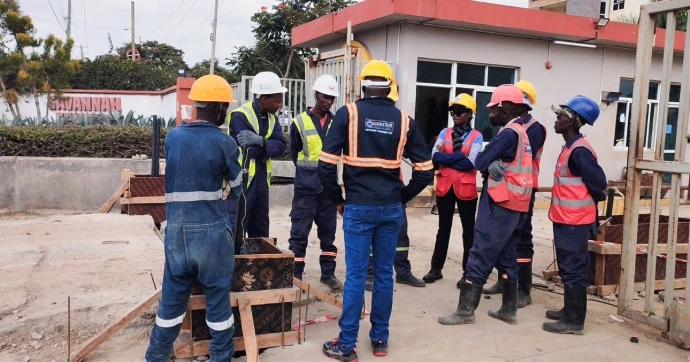
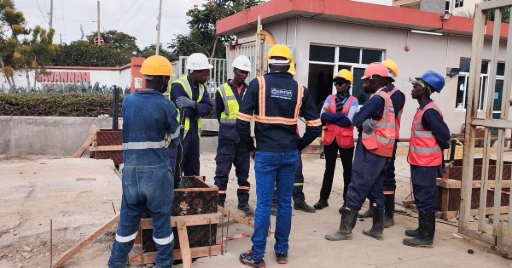
Phase I — Weighbridge Load Cell Upgrade: Analog to Digital
The first phase replaced Savannah Cement's existing Rice Lake analog load cell systems with ESIT SCD digital load cell technology. Moving from analog to digital load cells is usually the single highest-leverage step in any weighbridge automation project, because every downstream automation feature — self-service kiosks, SAP integration, remote monitoring — depends on getting a clean, addressable digital weight signal off the platform in the first place. An analog system simply can't feed that data reliably into automation software.
Scope of Phase I included:
Removal of the existing analog weighing components
Installation of ESIT SCD digital load cells
Installation and termination of the associated digital communication infrastructure
Configuration of the weighing electronics
Load cell addressing and communication verification
System calibration and adjustment
Functional testing of individual weighbridges
Verification of stable weight readings
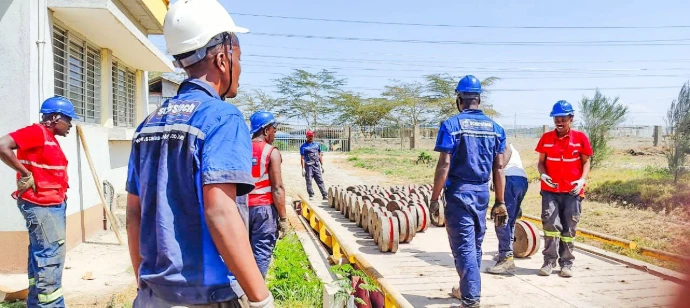
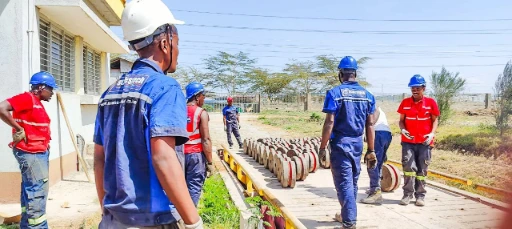
Site team calibrating the weighbridges after upgrades.
Phase II — Civil Works and Infrastructure Preparation
Automating a weighbridge is as much a civil engineering exercise as an electronics one — boom barriers, traffic lights, and self-service kiosks all need foundations, cable routing, and conduit that a purely analog weighbridge never required. Scalestech's civil team carried out site setting-out and equipment positioning, excavation and trench preparation, cable routing, conduit installation, equipment mounting foundations and plinths, anchor bolt installation, concrete works, preparation of mounting locations for the field automation accessories, and reinstatement of any affected areas after installation.
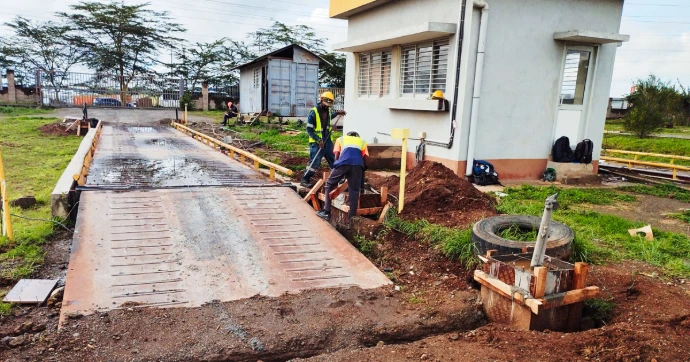
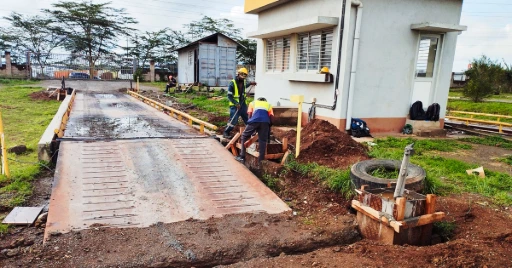
Civil Work and Infrastructure preparation
Phase III — Supply & Installation of Automation Accessories
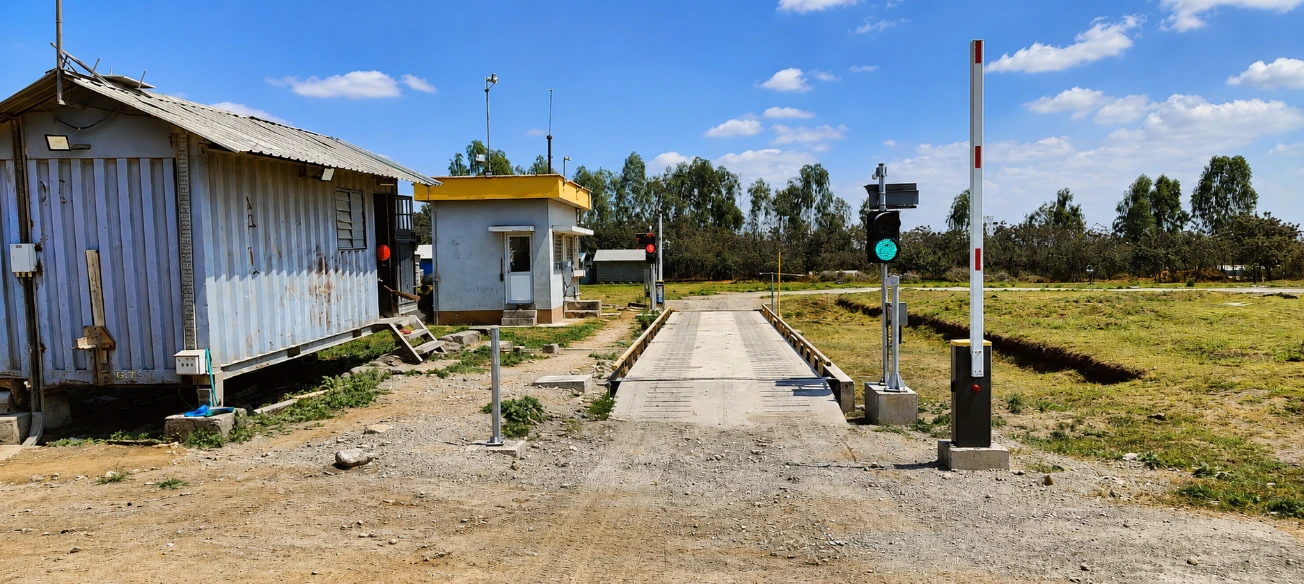
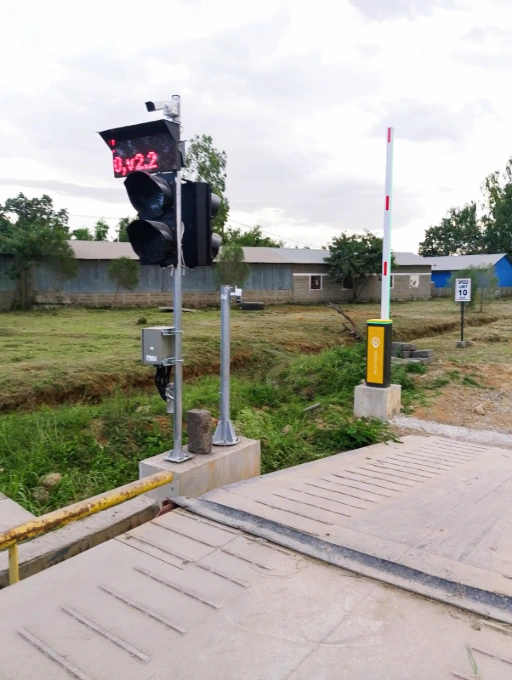
With the civil groundwork in place, Scalestech supplied, installed, wired, configured, and tested the automation accessories at each of the three weighbridge locations. This is the layer that turns a digitally-weighed platform into an actual unmanned or semi-unmanned weighbridge system: it's what lets a truck be identified, controlled, and processed without an operator standing at the scale for every transaction.
The installation included, as applicable at each gate:
Automatic boom barriers
Traffic light control systems
Driver self-service kiosks/terminals
RFID functionality and interfaces where applicable
Associated control panels and field devices
Electrical power and control wiring
Network and communication infrastructure
Equipment mounting structures and accessories
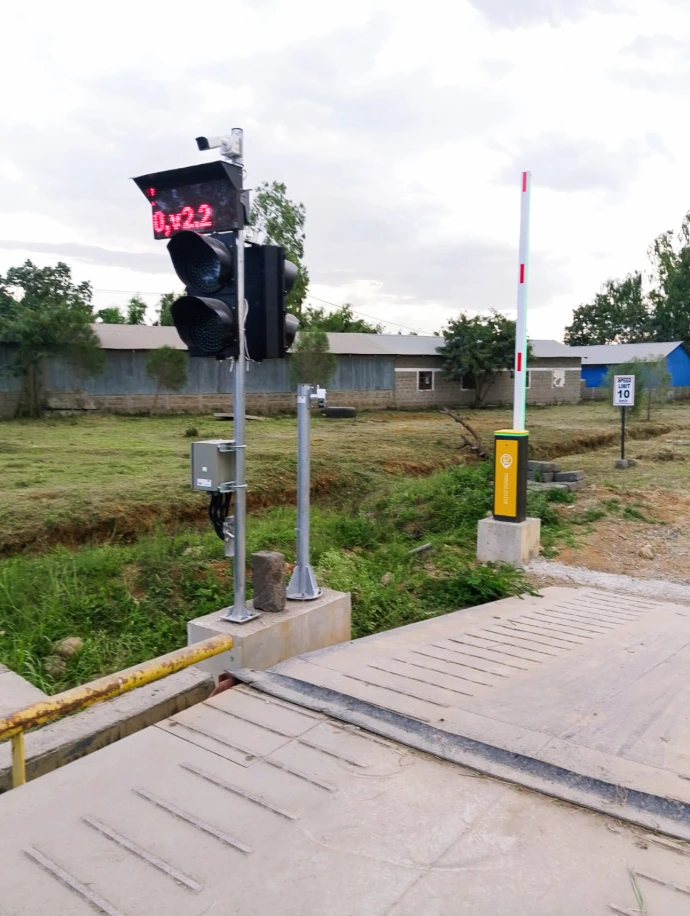
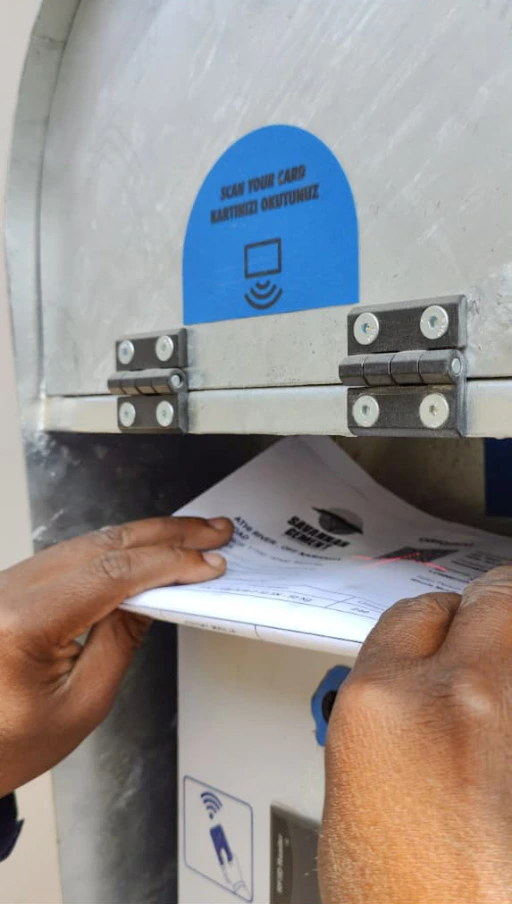
4. SPWIN Vehicle Management & Weighbridge Automation Software
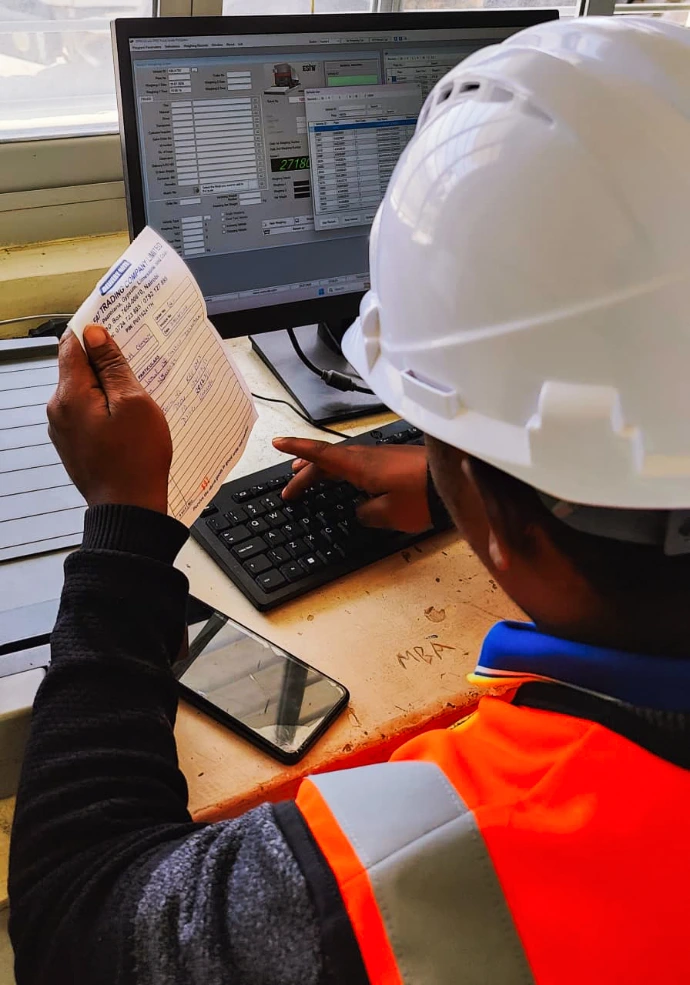
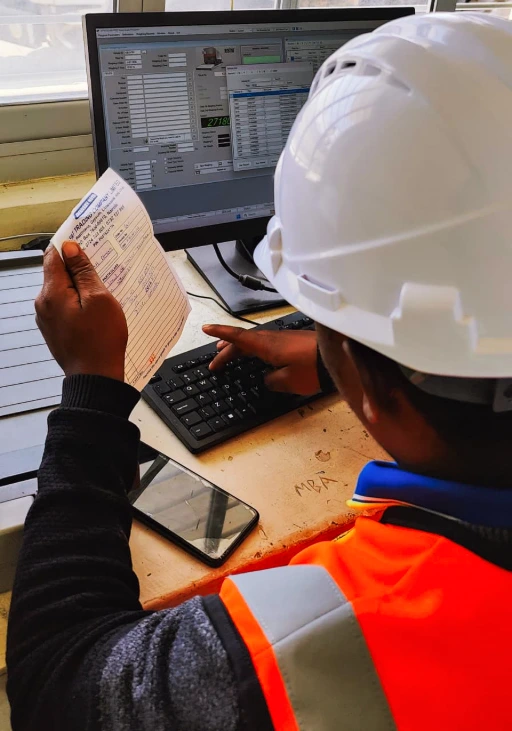
Scalestech supplied, installed, and configured the SPWIN Vehicle Management & Weighbridge Automation Software as the operational platform running the automated weighbridges. SPWIN is the layer that ties the hardware — load cells, boom barriers, traffic lights, kiosks — to a single transaction record and, from there, to SAP.
The configured solution handles:
5. SAP/API & QR Code Integration: How the Weighbridge Talks to SAP
The part of this project most other Kenyan weighbridge suppliers can't offer end to end is the SAP integration itself — and it's the part prospective clients researching "SAP weighbridge integration Kenya" are usually trying to solve. Scalestech provided the Weighbridge Software APIs needed for SPWIN to communicate directly with Savannah Cement's SAP environment, and built a QR-code workflow on top of that connection so a transaction never has to be manually keyed on either side.
Here's the transaction flow, end to end:
1. A SAP order or transaction is created on the SAP side, as normal.
2. SAP generates a QR code containing or referencing that transaction/order information.
3. The driver presents the QR code at the weighbridge self-service terminal.
4. The system scans the QR code at the weighbridge.
5. SPWIN retrieves and validates the order data referenced by the QR code.
6. The vehicle is weighed (first weighing on entry, second weighing on exit).
7. The automation sequence runs — boom barrier, traffic light, and kiosk messaging guide the driver through the process.
8. The transaction is completed and the required weighing data is exchanged with and recorded in SAP.
Integration activities were coordinated directly with Savannah Cement's ICT/SAP implementation team, which matters in practice — a weighbridge integration project usually needs a client-side SAP resource involved from day one, since the QR generation and order lookup logic typically has to be built or configured on the SAP side, not just the weighbridge side.
API provision, QR code interface, integration configuration, and integration testing were all completed.
6. Testing & Commissioning
Once installation and configuration were complete, Scalestech ran a full testing and commissioning pass covering every layer of the system: digital load cell communication, weight indication and stability, weighbridge functionality, boom barrier operation, traffic light operation, driver terminal functionality, QR code scanning, communication between field equipment and SPWIN, vehicle transaction processing, first and second weighing sequences, gross/tare/net weight processing, API communication, the SAP/QR transaction workflow, network communication, software user access, transaction recording, and full operational simulations of the integrated automation sequence.
Any observations raised during testing were resolved as part of commissioning, or logged for agreed follow-up. Both overall testing and commissioning were completed and verified.
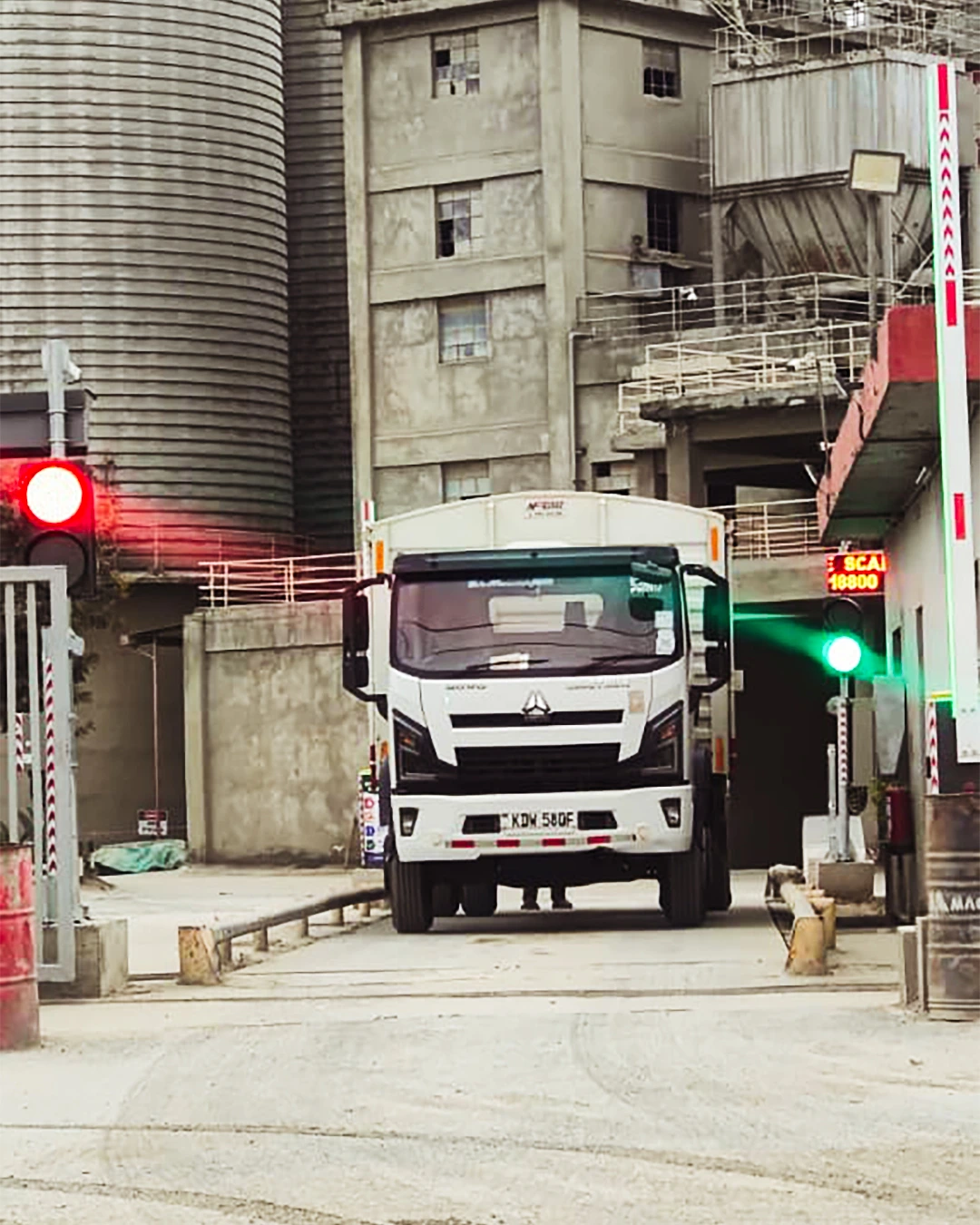
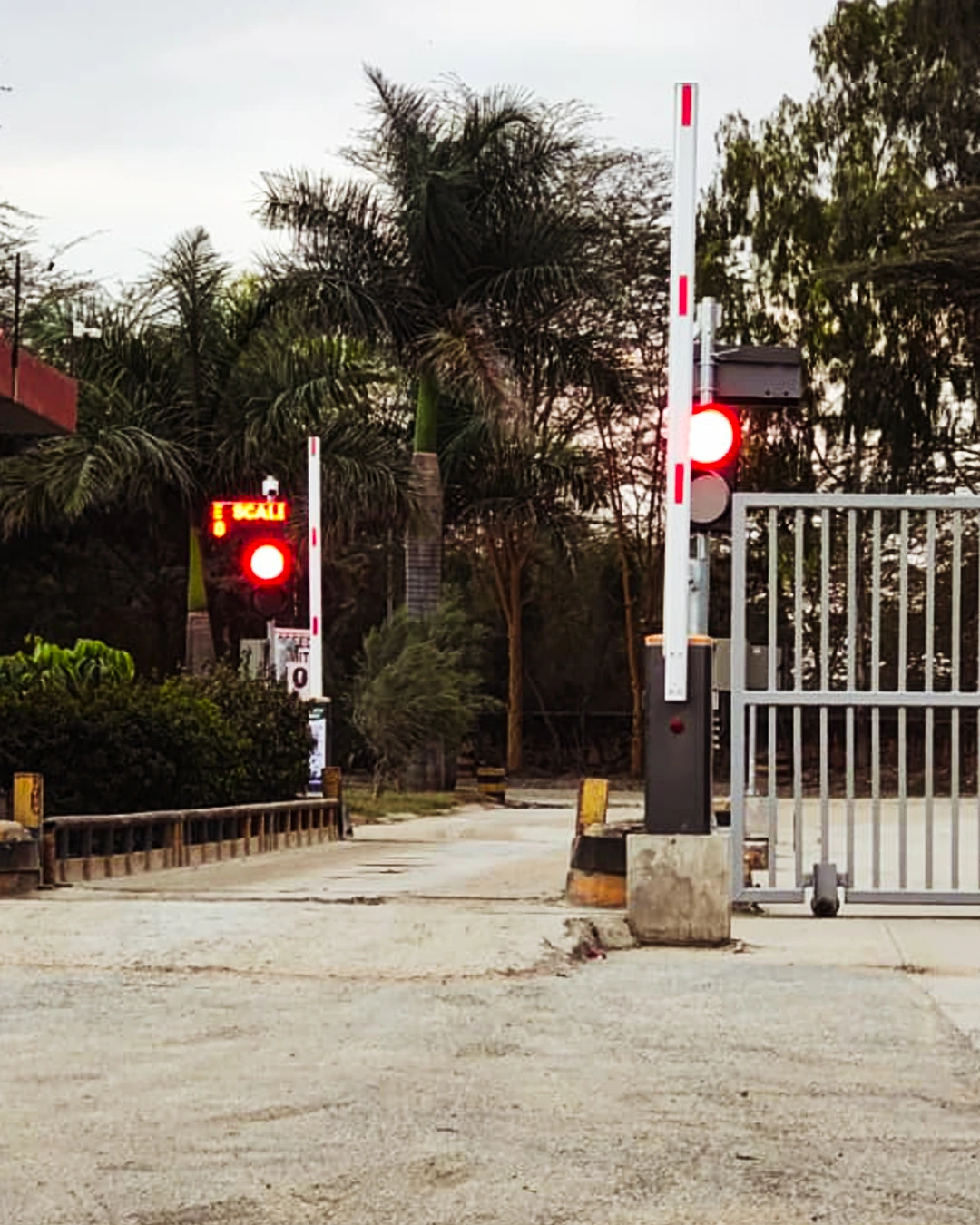
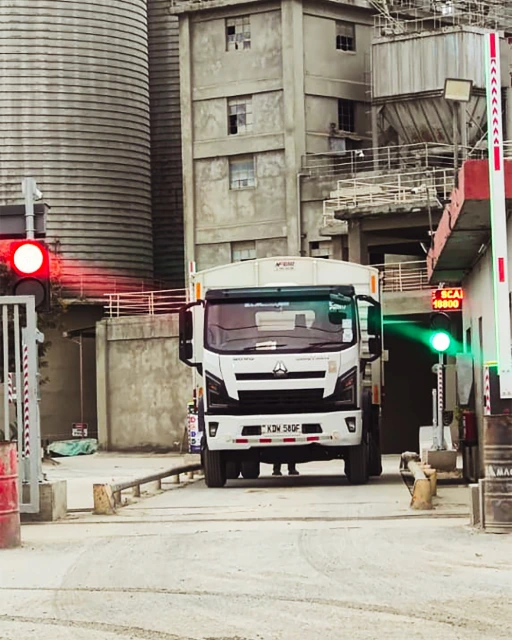
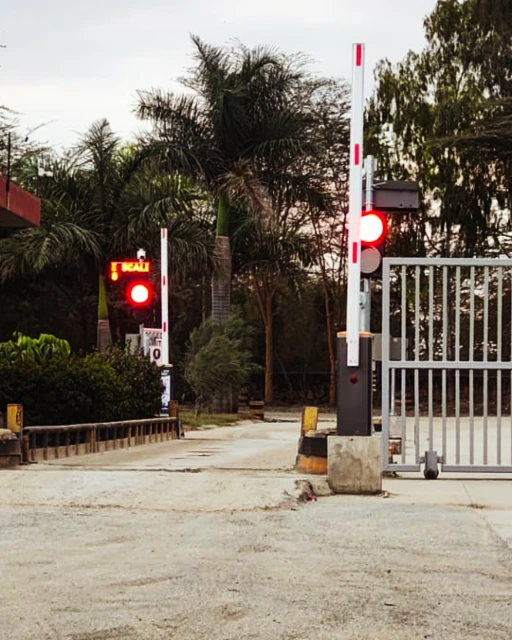
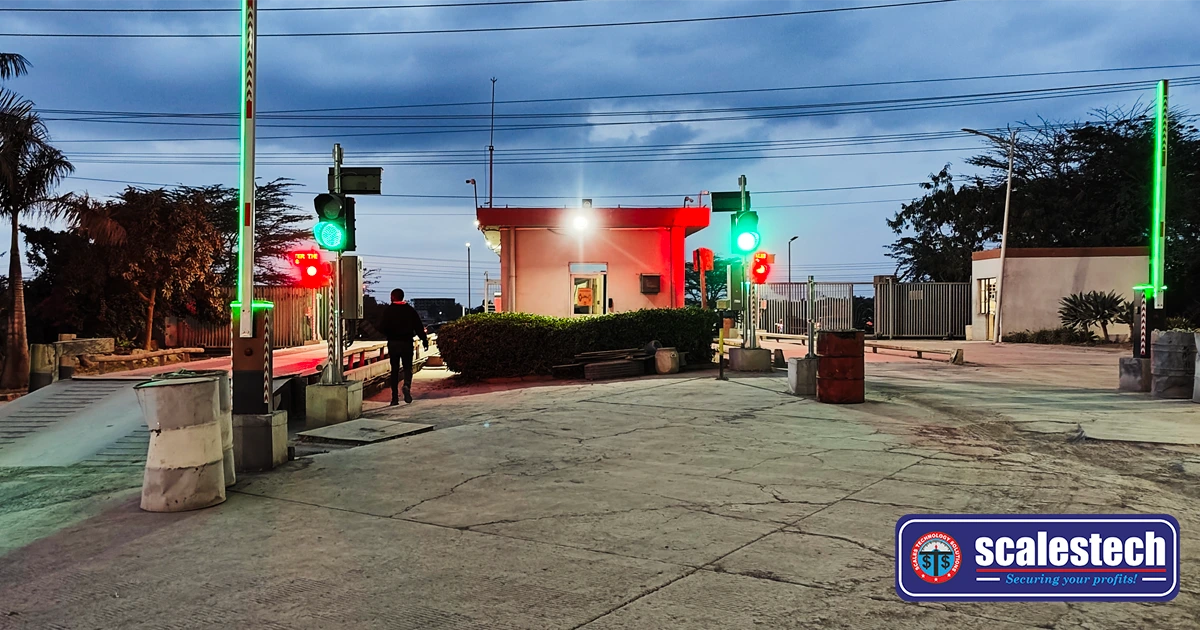
Commissioned system in live operation: vehicle processed through the automated boom barrier and traffic light sequence at the weighbridge.
7. User Training
Automation only pays off if the client's own team can run and troubleshoot it without calling the supplier every time. Scalestech trained designated Savannah Cement personnel on SPWIN system login and navigation, vehicle transaction processing, the automated weighing workflow, QR-based transaction processing, the driver self-service workflow, authorized manual-intervention procedures, transaction monitoring, basic reporting, identifying common operational alarms, first-line troubleshooting, and escalation procedures for technical support.